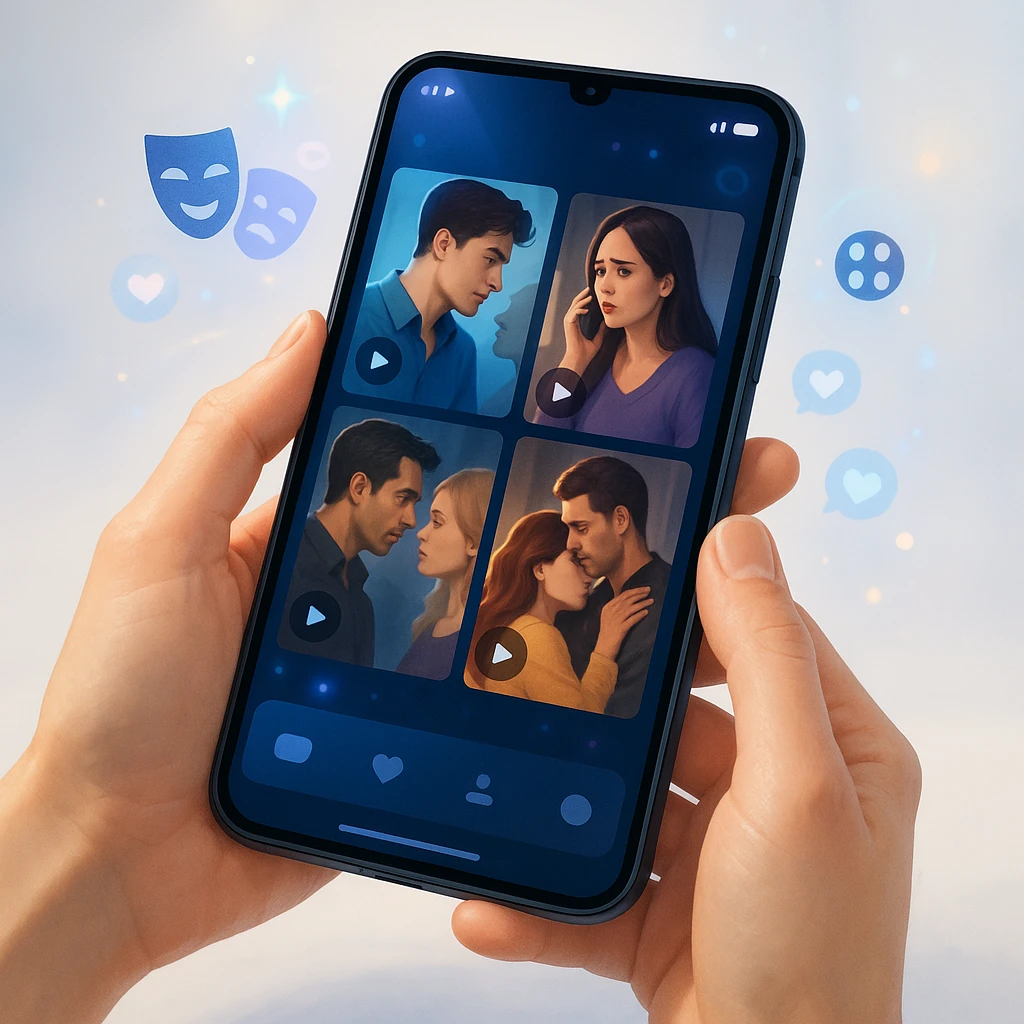

TikTok has unveiled a new feature called "TikTok Minis," which includes a dedicated section for users to engage with micro dramas and mini games without needing to leave the app. This addition caters to the growing interest in micro dramas, also known as verticals, which are short, episodic soap operas adapted specifically for mobile consumption.
Micro dramas typically offer movie-length narratives sliced into brief episodes presented in a vertical video format. These series often rely on well-known storylines involving relationship conflicts or supernatural romance themes, such as troublesome spouses or werewolf love stories.
A TikTok employee described the Minis functionality on LinkedIn, highlighting that these "lightweight, in-app mini programs" allow users to sample content seamlessly inside TikTok, potentially lowering barriers for initial viewer engagement before moving off-platform. Although the post has since been removed, the description emphasized how this integrated approach may help retain audiences on TikTok’s own environment.
One insider familiar with TikTok’s strategy mentioned that the company views Minis as an extension of the success seen with TikTok Shop, its influential social commerce offering. By situating micro dramas and mini games within the app, TikTok seeks to enhance user time and interaction, complementing its broader ecosystem of services.
Regarding monetization, most micro drama apps employ a freemium model, allowing free viewing of initial episodes followed by payment requests—typically around $10 or more per movie—after approximately eight to ten episodes. Subscriptions for these services can range widely, commonly between $40 and $80 per month for unlimited content access. TikTok Minis adds a nuance by often offering a 10% discount if viewers pay through TikTok’s platform, incentivizing users to remain within TikTok rather than navigating to separate apps.
This in-app approach potentially appeals more to emerging micro drama services aiming to tap into TikTok’s massive user base to gain visibility. Conversely, well-established platforms might prefer to maintain complete control over their user engagement and revenue by keeping audiences within their own applications. Reflecting this choice, two of the largest players in the vertical drama segment, ReelShort and DramaBox, do not currently appear in the TikTok Minis collection.
Beyond Minis, TikTok has encouraged creators to make use of its "series" feature, which enables paywalled video content directly accessible through TikTok accounts. Notable micro drama producers, including ReelShort and Netshort, have adopted this facility to reach audiences.
In addition to these models, TikTok has approached some micro drama producers with proposals to host full, original episodes on the platform completely free to users, supporting the content financially through advertising revenue sharing. Offers reportedly included licensing fees up to $10,000 per original series alongside ad revenue cuts.
However, producers have expressed skepticism regarding the viability of this transition from paywalled content to ad-supported revenue models, citing concerns over whether proceeds would sufficiently cover production costs. Typically, creating a full-length movie for micro drama formats involves budgets ranging from $100,000 to $300,000, a steep investment relative to uncertain ad revenue flows.
Nonetheless, experts consider that TikTok Minis may provide an entry point for new Western viewers reluctant to download unfamiliar apps. Trusted in-app payment systems and subscription management could lower user resistance to paying for content directly within TikTok’s established interface.
Micro dramas also have notable precedent within ByteDance’s ecosystem, TikTok’s parent company. Douyin, TikTok’s Chinese counterpart, pioneered vertical dramas on its platform, and ByteDance manages its own vertical drama app named Melolo. Following complex ownership arrangements, TikTok implemented a joint venture introducing new U.S. stakeholders, allowing the app to avoid potential bans while expanding its content offerings.
Hernan Lopez, founder of streaming consultancy Owl & Co., noted that ByteDance played a central role in popularizing the micro drama format in China and aims to replicate this success in the U.S. market.
One micro drama producer suggested that if TikTok manages to shift the industry towards non-paywalled viewing within its platform, supported through ads as ByteDance did in China, it could significantly disrupt current business models and industry structures.
Industry analyses predict that micro drama apps, excluding China, are poised to generate close to $3 billion globally this year, nearly tripling last year’s revenue. The rising attention from both Hollywood and major technology firms underscores the sector’s growth potential as the search for new audience engagement avenues intensifies.
Hollywood studios have begun committing to micro drama initiatives, exemplified by Fox’s investment in Holywater, the Ukrainian creator of the My Drama app. Disney recently disclosed discussions with DramaBox to develop original microdramas based on young adult fantasy novels for distribution via its media platforms. The company is also considering adapting musical albums into vertical short formats. Correspondingly, ReelShort has explored collaborative projects with Paramount Skydance to co-produce content.