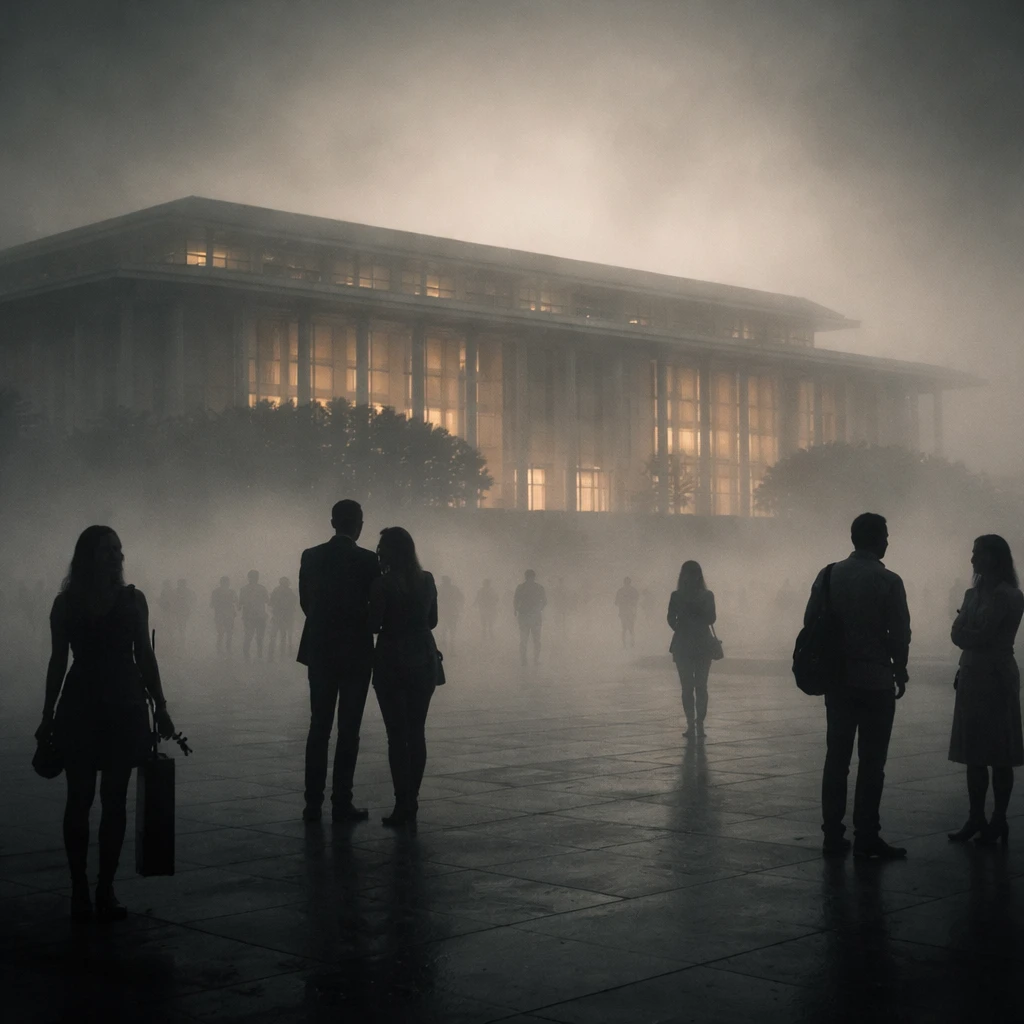

Since Donald Trump assumed the presidency, his relationship with the Kennedy Center for the Performing Arts has been fraught with tension and controversy. During his first term, the president notably did not attend the annual Kennedy Center Honors, reportedly because of grievances he held against the performers involved. This absence underscored a broader estrangement between Trump and the cultural institution.
In the course of a potential second term, Trump sought to reshape the Kennedy Center to align with his "Make America Great Again" ethos, a cultural realignment that critics say has contributed to the venue’s declining vitality. As noted by writer Katy Waldman for a prominent publication in December, Trump was initially attracted to the center for its cultural standing, yet his influence and the actions of his allies rendered the institution controversial and divisive.
This context frames the surprise announcement celebrated in Trump’s social media channels regarding a comprehensive closure of the center for a two-year renovation period. Although unexpected in its timing and delivery, some inside the Kennedy Center had anticipated a temporary shutdown near the fiscal year’s end, citing both the need for renovations and a strategic response to financial losses tied to backlash from the artistic community.
Evidence of trouble at the Kennedy Center is visible in the precipitous decline in subscription and ticket sales over the preceding year, a trend that has resulted in frequently unoccupied seats during events. This downturn corresponds with a growing list of performers withdrawing their engagements. An analysis compiled by NPR mapped the extent of such cancellations since Trump’s tenure began.
These developments accelerated following the decision made by Trump-appointed members of the Kennedy Center’s board in December to append the president’s name to the institution, a move that ignited further controversy and alienated patrons and artists alike. Despite this, Trump has demonstrated continued involvement with the center, evidenced by his presence at the recent premiere of a documentary film centered on the first lady.
Questions about Trump’s intentions with the Kennedy Center renovations linger. Commentary from journalists reflects skepticism, pondering whether this effort stems from a desire for personal legacy and permanence or if it signals an interest in transforming the site into a real estate opportunity. These speculations arise especially in light of earlier controversies surrounding other high-profile property redevelopments associated with Trump.
Despite widespread cancellations, the Kennedy Center still maintains a robust schedule, including performances by the National Symphony Orchestra with multiple weekly appearances during its season. Additionally, long-running musicals such as "Mrs. Doubtfire" and "The Outsider" remain on the performance calendar. However, the uncertainty brought on by the impending closure casts a shadow over the livelihoods of musicians and performers closely tied to the venue, a concern noted by critics and observers alike.
Official communication from the Kennedy Center’s leadership has been limited on how this extended closure will affect cornerstone events, including the Mark Twain Prize for American Humor and the annual Kennedy Center Honors. Moreover, the completion of new facilities such as the president’s stated East Wing ballroom is not anticipated before the closure period ends, suggesting logistical challenges ahead.
Statements from key figures linked to the center express confidence that the current closure will ultimately serve as a short-term setback sponsoring long-term revitalization of the arts complex. The center’s president, a close Trump supporter, portrayed the renovation as a necessary step towards strengthening the national institution.
Criticism from political commentators and arts advocates highlights that the challenges facing the Kennedy Center extend beyond the physical state of the building. Some commentators argue that the declining patronage is attributable more to the association with Trump’s leadership and brand rather than the condition or decor of the venue itself. Observers have likened the president’s imprint on the center to the fate of his other business ventures, which have faced significant operational difficulties.
This perspective is echoed in public discourse where some former political leaders suggest the closure signals a preference to shutter the center rather than confront the rejection of what has been described as a personal vanity project. The cultural implications of these maneuverings remain unclear, but the current atmosphere underscores the precarious position of a cherished national arts institution navigating a politically charged landscape.