
In a recent announcement, President Donald Trump revealed that the United States will formally bid to host the 2035 iteration of the World Expo, also known as the International Registered Exhibition. The selection of Miami as the prospective host city has been put forward, with Secretary of State Marco Rubio appointed to lead the initiative.
The World Expo traditionally occurs every five years and serves as a significant international event focused on addressing global challenges through cooperation, education, and cultural exchange. The last event was organized in 2025 in Japan.
During the announcement, President Trump emphasized the potential economic advantages that hosting the Expo could bring. He noted that staging the event in Miami could catalyze the creation of thousands of jobs and contribute billions of dollars to the American economy. Trump characterized this initiative as a component of what he termed the country's "new Golden Age."
"We will create thousands of jobs, and add Billions of Dollars in GROWTH, to our Economy," Trump stated, underscoring the anticipated economic impact of the expo bid.
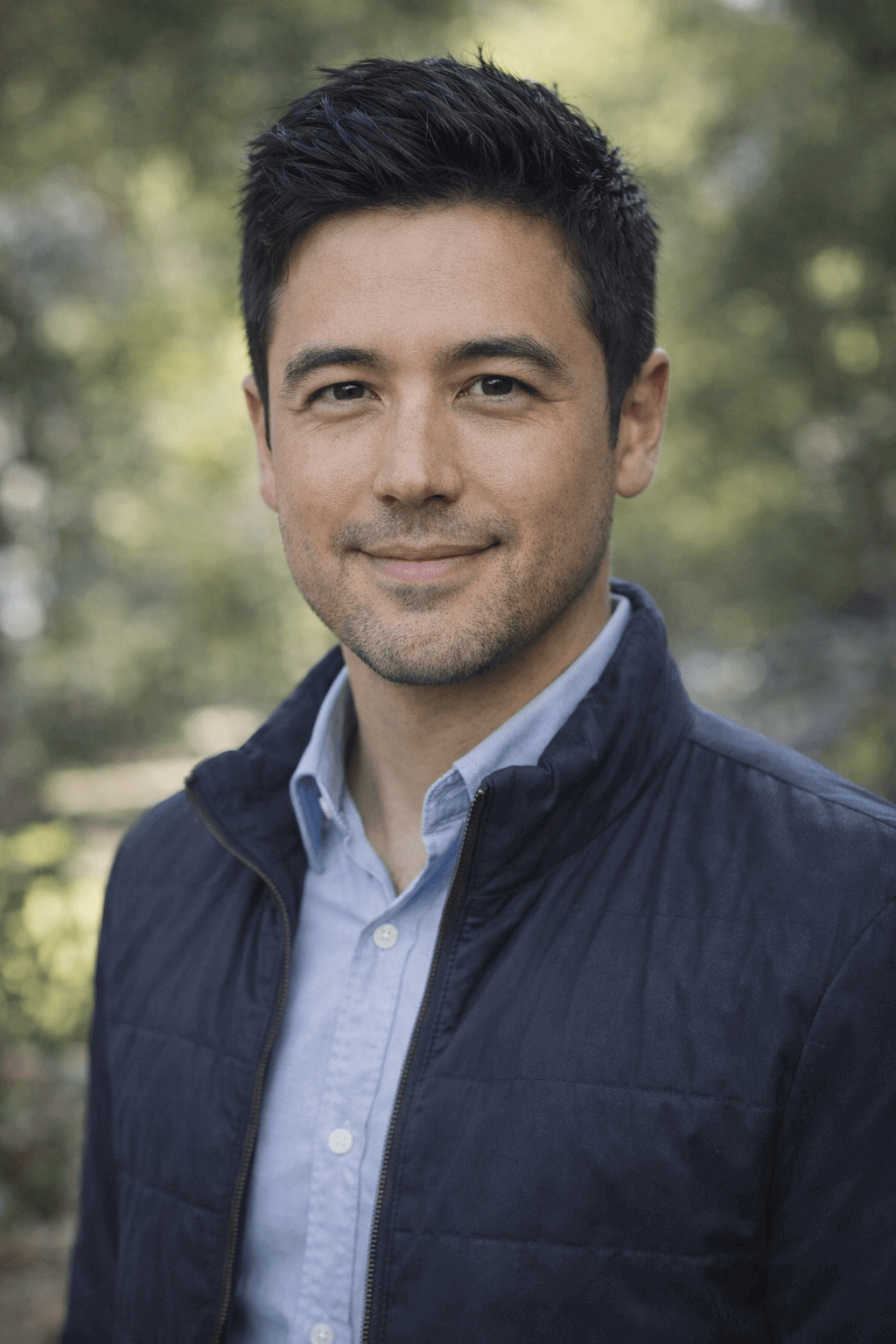
Marco Rubio, serving as the nation’s Secretary of State and the leading figure for the bid, is also acting administrator of the U.S. Agency for International Development and acting archivist at the National Archives and Records Administration. Notably, he is the first Latino American to hold the top diplomatic position for the U.S. and is a native of Miami.
Rubio expressed his honor in leading the campaign and highlighted the opportunity the event presents to emphasize American exceptionalism on a global platform. He conveyed particular enthusiasm about Miami’s unique hospitality, which could offer a distinctive experience to World Expo attendees if the city is selected as the host.
"The event is an incredible stage to showcase our nation's Golden Age and American exceptionalism before the world. There is nothing quite like Miami hospitality and it would be a privilege to bring the World Expo back to the U.S. for the first time since 1962," Rubio posted on the social media platform X.
Rubio’s influence within the administration has expanded recently. In addition to leading the World Expo bid efforts, he has been named a founding member of the Board of Peace for Gaza—an emergent governing body responsible for regional management following the recent conflict in Gaza.
This bid represents the United States’ intention to return the World Expo to American soil after a span of more than seven decades, the last occasion being in 1962. The proposed Expo aims to serve as a global venue that highlights American innovation, culture, and economic strength in line with what officials describe as a new era of prosperity.
While the announcement demonstrates clear governmental support for the initiative, successful execution will depend on securing international backing for the bid and the logistical and financial planning required to host an event of this global magnitude.
Key Points
- The United States is pursuing the opportunity to host the 2035 World Expo, with Miami proposed as the host city.
- Secretary of State Marco Rubio has been appointed to lead the U.S. bid, highlighting American exceptionalism and the city’s hospitality.
- The World Expo aims to foster international cooperation and cultural exchange and is held every five years; last hosted in Japan in 2025.
- The U.S. government anticipates substantial economic benefits from hosting, including job creation and significant economic growth, as emphasized by President Trump.
Risks and Uncertainties
- The success of the U.S. bid depends on securing approval and support from the international community, which is not guaranteed.
- Hosting a global event of such scale involves extensive logistical and financial commitments which pose operational risks.
- The long time horizon until 2035 introduces uncertainties related to political, economic, and social conditions that may affect the planning and execution of the event.
- The competitive nature of World Expo bids may challenge the U.S. effort to distinguish its proposal among multiple international contenders.