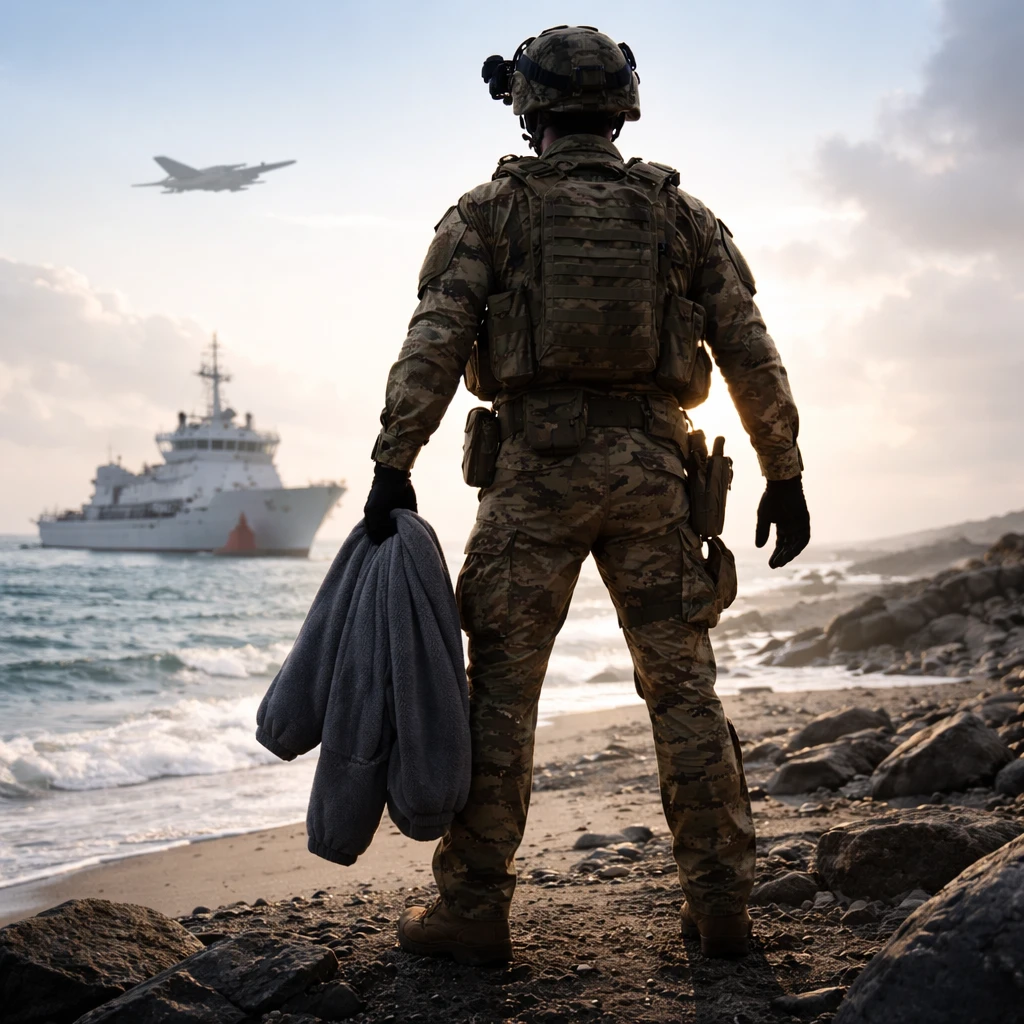

The United States conducted a meticulously planned military mission to detain Nicolás Maduro, the Venezuelan president, as part of efforts to bring him to justice in the United States on federal charges. The operation combined land, sea, and air forces to accomplish a strategic extraction, resulting in Maduro’s transfer aboard the USS Iwo Jima en route to facing criminal proceedings within U.S. jurisdiction.
This coordinated effort has been described by analysts as executed with a strategy of "shock and awe," emphasizing the speed and strength of American forces. While the professionalism and effectiveness of the operation received broad acclaim, it also ignited debate concerning the political implications and international legal ramifications.
Following the mission, a photograph was released by then-President Donald Trump featuring Nicolás Maduro in custody. The image captured Maduro wearing a gray Nike Tech Fleece tracksuit paired with blackout sunglasses and noise-cancelling headphones. This visual representation sparked a wave of viral memes and social media commentary, with many users noting the contrast between the informal leisurewear and the serious circumstances of detention.
Critics on the social media platforms remarked that Maduro’s casual attire resembled that of someone engaged in routine activities such as vacationing or running errands, which juxtaposed sharply with his status as a detained foreign head of state. This attire unexpectedly shifted public attention and added a cultural element to the unfolding political narrative.
In the days that followed, the former president signaled potential future U.S. military engagements in Venezuela and neighboring countries like Colombia and Mexico. He warned that officials unwilling to cooperate with American efforts might face consequences more severe than those imposed on Maduro. Furthermore, he openly criticized Cuba and Colombian drug operations and urged Mexico’s government to take stronger action against influential drug cartels operating within its borders.
The military capture of Maduro has been met with sharp opposition from Democratic political leaders in the United States. These figures characterized the mission as unconstitutional and reckless, attributing the action to motivations tied to Venezuelan oil interests. Maduro was transported to New York to face charges involving drug trafficking and associations with gangs classified as terrorist organizations.
Supporters of the operation hailed it as a decisive victory against a brutal dictatorship, with President Trump framing the outcome as an example of American resolve and strength on the global stage. Meanwhile, prominent critics including Senator Bernie Sanders, Kamala Harris, and Elizabeth Warren articulated concerns that the incursion violated international law, could exacerbate geopolitical tensions in the region, and detract attention from pressing issues on the domestic front.
The multifaceted reactions underscore the complexities inherent in foreign military interventions, particularly those involving the apprehension of foreign leaders. The strategic success of the operation contrasts with the unsettled diplomatic and legal debates it has provoked.
Given the emerging indications of further military initiatives in Latin America, U.S. policy in the region appears poised for an assertive stance, reaffirming security and counter-narcotics priorities but also raising questions regarding sovereignty, regional stability, and legal justifications.