
Within geopolitical and energy circles, Venezuela continues to attract attention due to its staggering volume of proven oil reserves, which federal estimates place above those of Iraq, Russia, and the United States combined. Yet these substantial deposits have not translated into immediate enthusiasm from American oil companies to initiate or expand investment there. Industry sources reveal extensive concerns that dampen appetite for engagement despite expressed governmental optimism.
President Donald Trump has publicly conveyed strong interest in enabling US oil companies to reinvest in Venezuela, emphasizing the need to revitalize its energy sector. A White House spokeswoman recently confirmed that American oil firms are prepared to inject significant capital to restore infrastructure devastated under the Maduro regime, with Energy Secretary Chris Wright and Secretary of State Marco Rubio spearheading dialogue efforts. Correspondence between administration officials and industry representatives has commenced, demonstrating official intent to bridge partnerships.
However, voices within the industry paint a considerably more cautious picture. According to well-informed sources, the current unpredictability surrounding Venezuela's political landscape serves as a critical deterrent. "We have no certainty about what government will be in place," one insider commented, underscoring the dissonance between presidential aspirations and on-the-ground industry realities. This disconnect is further illuminated by criticism that the administration prioritized rhetoric over pragmatism when initiating recent engagements.
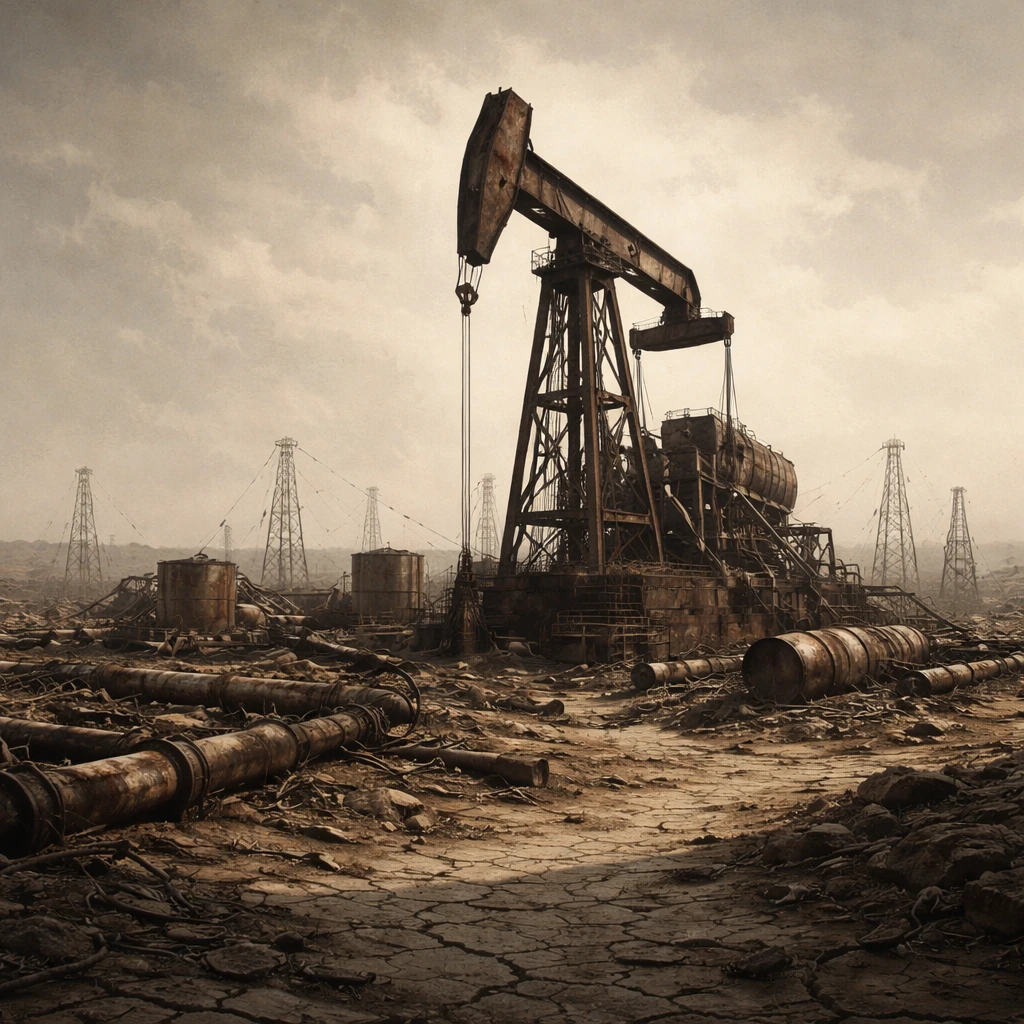
Beyond governance issues, Venezuela's oil sector faces severe operational challenges. Decades of underinvestment combined with ongoing economic crises have left the national oil company in disarray, struggling to maintain even moderate levels of production. Luisa Palacios, a former chair of Citgo with deep insights into Venezuela's energy affairs, emphasized the dire financial circumstances impeding revival. She noted that the country is effectively impoverished, its oil infrastructure crippled, and even basic needs for its population unmet.
Efforts to stabilize Venezuela's oil output at current levels, approximately 1.1 million barrels per day—a figure comparable to North Dakota's production—would reportedly require capital expenditures totaling $53 billion over 15 years, according to analysis from consulting firm Rystad Energy. To restore output levels to the late 1990s peak of 3 million barrels per day entails an even more daunting investment approaching $183 billion through 2040. These figures account not only for the aging, damaged facilities but also the challenging nature of the nation's predominantly heavy crude reserves, which demand more complex and costly refining processes than lighter grades common in US shale basins.
Market dynamics further complicate the picture. Oil prices have weakened sharply, with a 20% decline last year marking the worst price drop since 2020. This decline benefits consumers by lowering gasoline costs, yet it simultaneously discourages oil executives from committing to capital-intensive, high-risk ventures. Wolfe Research managing director Doug Leggate remarked that expecting a swift reactivation of Venezuela's oil operations is unrealistic amid these market conditions.
From an operational standpoint, only a select group of US energy companies possess the necessary scale and technical proficiency to handle Venezuela's unique challenges. Chevron prominently stands out, maintaining a substantial presence in the country through decades of political turmoil and currently producing approximately 150,000 barrels per day under an extended sanctions license. Industry experts suggest Chevron is positioned advantageously compared to peers due to this sustained commitment.
In contrast, ExxonMobil and ConocoPhillips face historical and legal complications stemming from the 2006 nationalizations of their Venezuelan assets by Hugo Chavez's administration. These firms continue to seek billions in compensation for expropriated properties, heightening perceived risk and potentially dampening enthusiasm for reinvestment. Additionally, ExxonMobil has redirected focus to lucrative projects in neighboring Guyana, which has recently surpassed Venezuela in production.
The legacy of repeated expropriations contributes to a high-risk premium associated with Venezuelan operations. Such concerns compound the inherent uncertainty caused by the current fluid political environment. While the Trump administration's efforts to foster US oil involvement signal a strategic intent, the industry's response remains measured due to intricate economic, political, and market factors.
Evaluating Venezuela solely on the magnitude of its hydrocarbon reserves disregards the practical complexities that govern investment decisions in the oil sector. The necessity for stable governance structures, enforceable legal protections, significant capital availability, and a predictable price environment are paramount considerations for companies contemplating long-term projects. Until these elements coalesce more favorably, American oil companies are unlikely to undertake the massive expenditures required to restore Venezuela's oil industry substantially.
In summary, while Venezuela's oil wealth is unmatched globally, the prevailing obstacles surrounding political instability, deteriorated infrastructure, legal uncertainties, and depressed crude prices curtail robust US corporate engagement, indicating that enthusiasm within executive ranks diverges markedly from governmental aspirations.