
In the aftermath of Nicolás Maduro’s arrest, Venezuela is embroiled in deep turmoil characterized by an acute public safety crisis and civil unrest. The detention of the country's long-standing leader has not resulted in immediate stabilization; instead, it has unleashed a complex situation where armed factions loyal to Maduro continue to exert significant influence, particularly in urban centers.
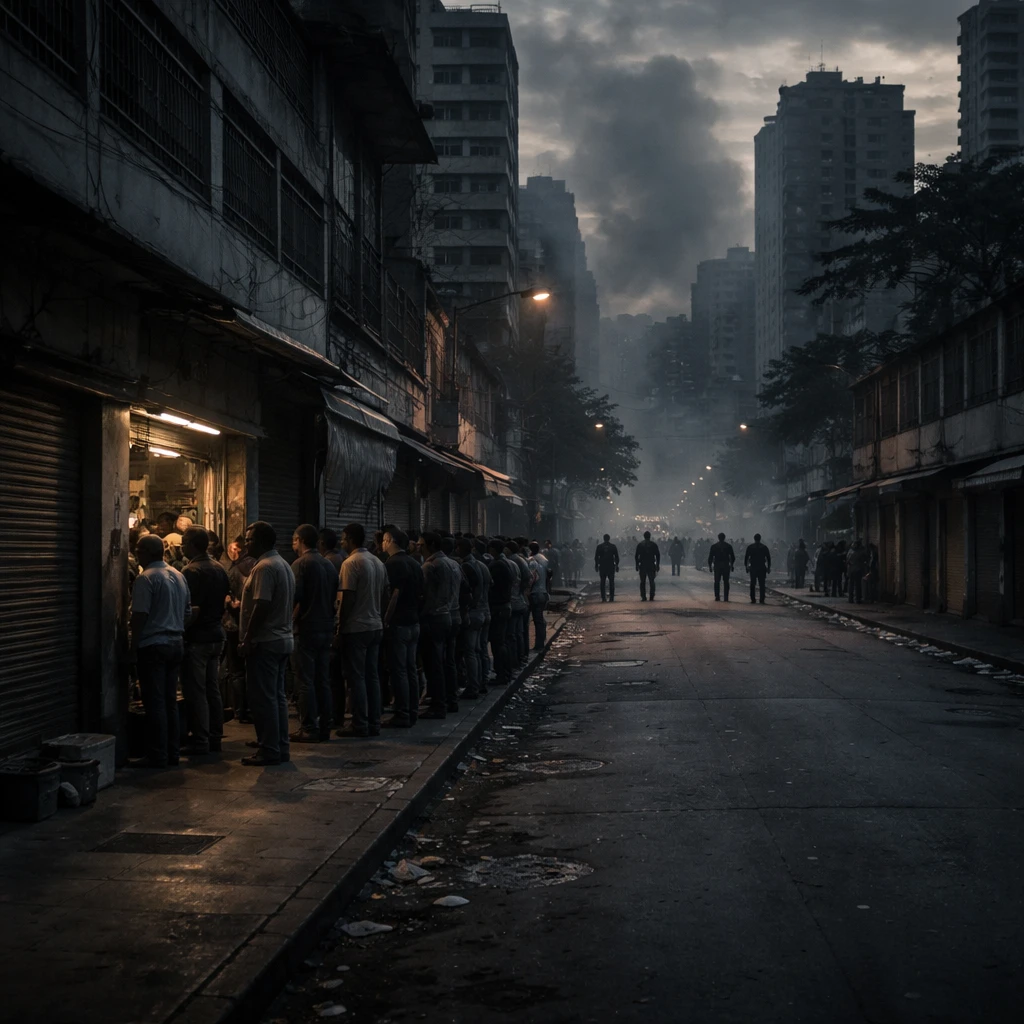
The streets of various Venezuelan cities, including the capital Caracas, have become hotspots for clashes and displays of force by Maduro’s supporters. These armed groups maintain a visible and intimidating presence, compelling many residents to avoid public spaces and restrict their movements to their homes. Consequently, citizens venture outside primarily to obtain necessary supplies under circumstances thick with anxiety.
The security environment remains precarious. In Caracas, residents have reported the occurrence of airstrikes, an escalation that has disrupted essential public services and heightened the atmosphere of fear. Such military actions reflect the volatile nature of the situation and the challenges confronting authorities attempting to restore order.
Economic disruptions accompany the security crisis. The operation of supermarkets and other critical supply channels is severely limited. The handful of functioning stores have become focal points for long queues, as people rush to stock up amid concerns over possible shortages reminiscent of previous periods of scarcity and social unrest. This strain on access to provisions underscores the broader instability confronting Venezuelan society.
Amid these developments, accurate information dissemination has become increasingly difficult. Local media outlets operate under stringent controls, impeding the public’s ability to obtain clear updates about ongoing incidents and governmental responses. This opacity fuels speculation and anxiety, exacerbating the sense of uncertainty among the population.
Voices from affected communities illustrate the pervasive fear and apprehension. A resident of Valencia expressed that despite Maduro's removal, the underlying threats persist: armed groups roam freely, and apprehension about theft, intimidation, and violence is widespread. The fear of reprisals for speaking out also remains palpable, contributing to a climate of silence and invisibility for those caught in the middle of the unrest.
The current environment reveals the profound divisions and tensions within Venezuela. Though Maduro’s arrest might represent a critical juncture, the entrenchment of his armed supporters and the continuation of hostilities indicate that peace and stability are not yet imminent. The unfolding situation poses substantial challenges for any potential political reconciliation or reconstruction efforts.
Observers note that, while some may find temporary hope in the change of leadership status, the remaining armed factions' activity signals that the path forward will be fraught with difficulties. The struggle to restore order and public confidence requires addressing both security concerns and the fundamental causes of societal fragmentation.