
Chamath Palihapitiya, a prominent figure in venture capitalism, publicly mocked the introduction of California's new battery fee, questioning the eventual use of the collected revenue. His comment came in response to a report detailing the state's enactment of the fee as of January 1, 2026.
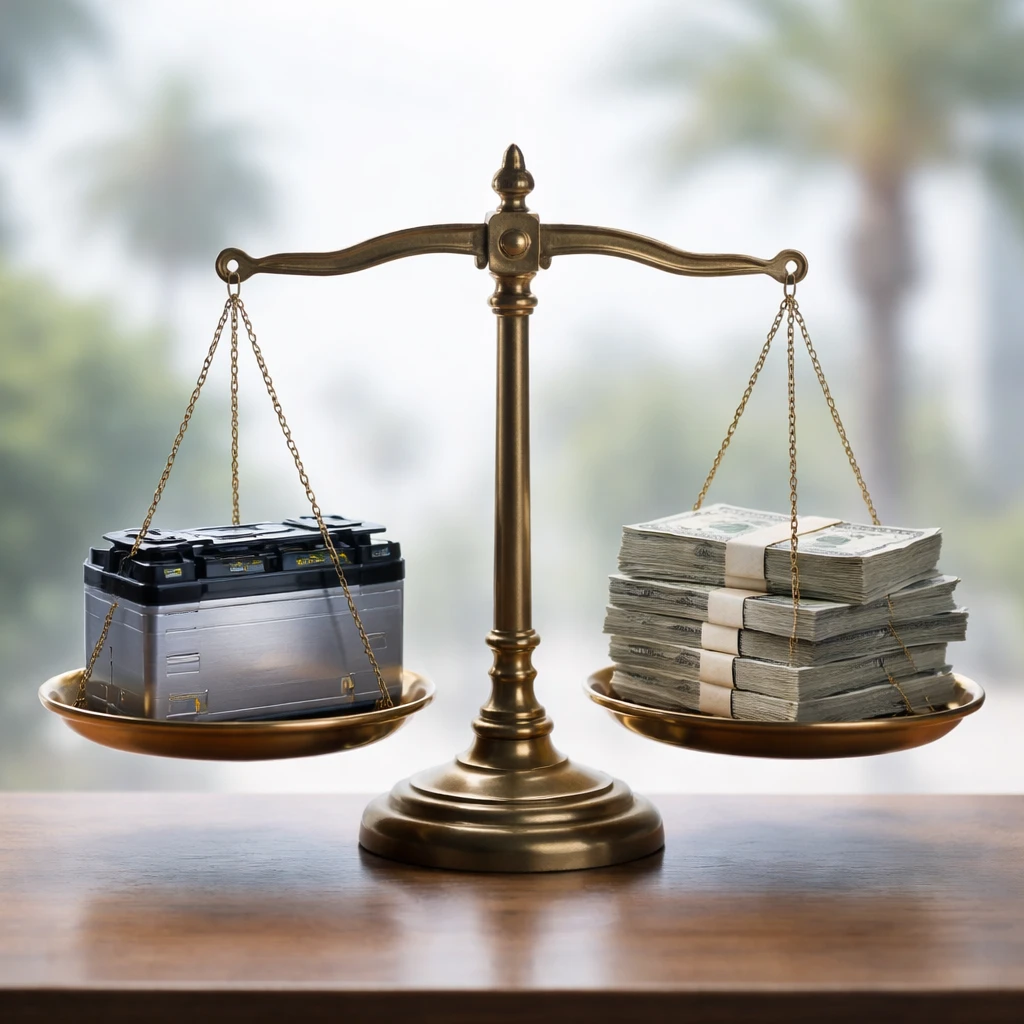
The fee applies to purchases of products featuring nonremovable batteries, such as power tools, gaming consoles, and even greeting cards. Legislation passed in 2022 through Senate Bill 1215 instituted this 1.5% charge, which is capped at a maximum of $15. The primary goal is to finance the safe collection and disposal of lithium-ion batteries due to their potential hazards, including fire and explosions.
Palihapitiya's sarcastic remark, "Of course... and I’m sure this money will go to a good cause...", was a direct response to coverage emphasizing the fee's intended purpose. This reflects his ongoing criticism of California's fiscal strategies, particularly visible in his opposition to proposed wealth taxes.
His contention includes warnings that taxing the wealthy could incentivize out-migration among high-net-worth individuals, potentially exacerbating the state's budgetary challenges. Palihapitiya's stance indicates a broader concern regarding tax policy efficacy and government resource management within California.
This recent commentary on the battery fee adds to his public discourse challenging the state's financial governance, reflecting skepticism about the allocation of newly generated public funds and the impact on California's economic landscape.
Overall, Palihapitiya's remarks invite scrutiny of both the new surcharge's implementation and the state's broader fiscal policies, especially regarding their effects on residents and the economy.