
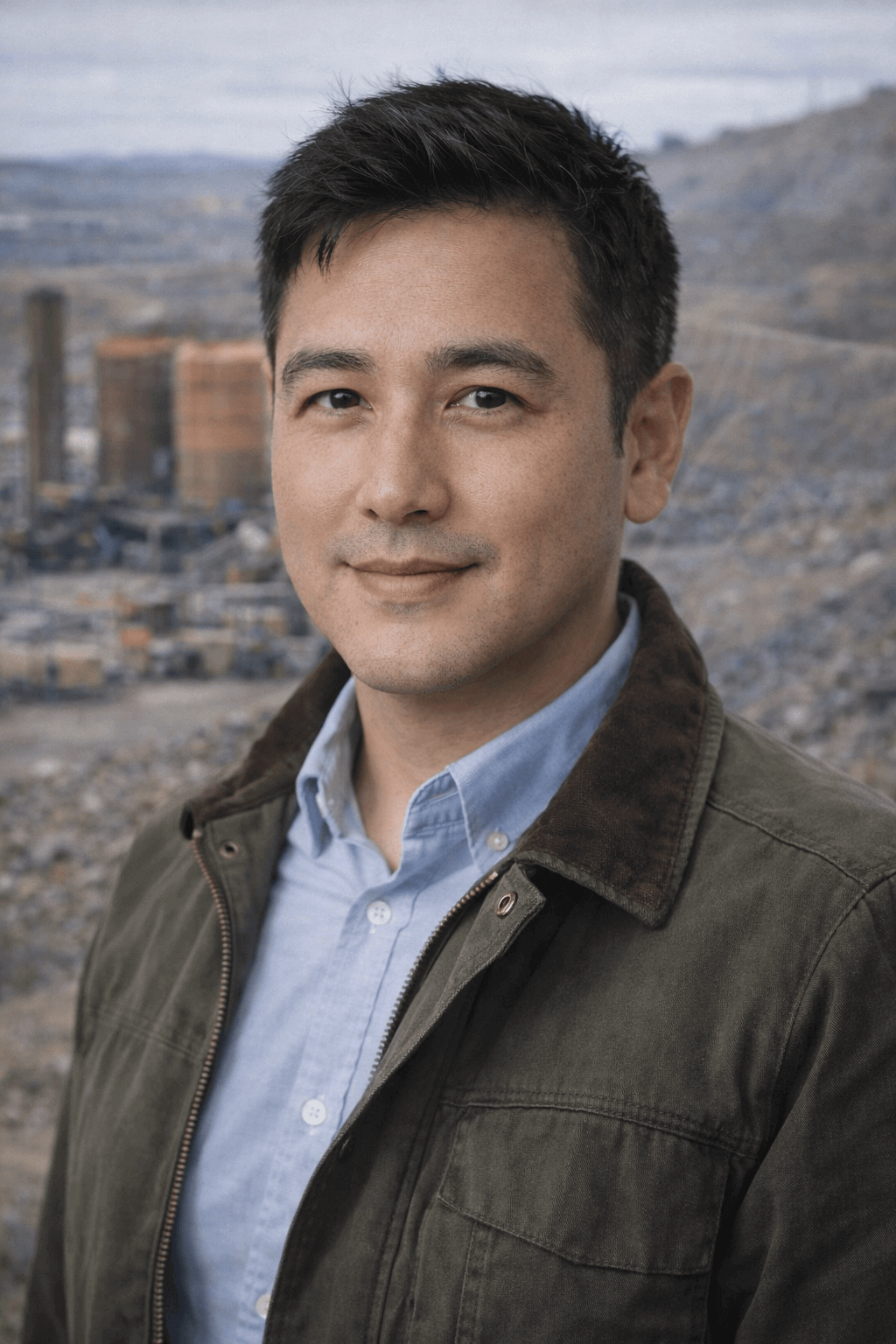
Vivek Ramaswamy has redefined his public persona from that of a confrontational political figure to one aiming for a more composed and measured conservatism. The biotech entrepreneur, who gained national prominence by engaging in provocative debates and courting controversy, is now positioning himself as a "conservative without being combative" as he sets his sights on the governorship of Ohio in 2026.
In recent events, Ramaswamy presented this revised stance at the AmericaFest conference hosted by Turning Point USA. During his speech, he openly criticized Nick Fuentes and the faction known among activists as the "groypers," highlighting concerns about what he described as the growing influence of a "blood-and-soil" ideology within the Republican Party. This marks a significant tonal shift from his previous approach, underscoring his desire to clarify his role in ongoing party debates concerning race and identity.
Ramaswamy also revisited a quote from Ronald Reagan, whose optimistic view of America he had earlier distanced himself from. He cited Reagan's assertion that while one may travel to countries such as Italy, Germany, China, or Japan, one cannot fully assimilate into those cultures in the way a native could, yet one can always fully embrace being American. This reframing signals Ramaswamy's commitment to a national identity that transcends ethnic or cultural divisions.
His earlier political rise during the 2024 Republican primary was characterized by sharp criticisms and bold policy calls. Among these were proposals to raise the voting age to 25 and to disband the Federal Bureau of Investigation, as well as dismissing climate change initiatives as a "hoax." These positions, coupled with pointed critiques accusing his opponents of allegiance to donors and establishment insiders, led to contentious exchanges during debates. For instance, former New Jersey Governor Chris Christie publicly rebuked Ramaswamy by comparing his discourse to that of an artificial intelligence model, indicating disdain for his rhetoric.
Now, as he turns toward a state-level campaign, Ramaswamy hopes to replace Ohio's current governor, Mike DeWine, who represents a more traditional and steady Republican leadership style. This transition could have substantial implications for the political and economic landscape in Ohio, potentially influencing policy and investment climates in the state.
As Ramaswamy seeks to craft a more civil conservative identity while maintaining his distinct policy perspectives, the political community and voters alike will be closely watching to see how this rebranding shapes his candidacy and Party dynamics moving forward.