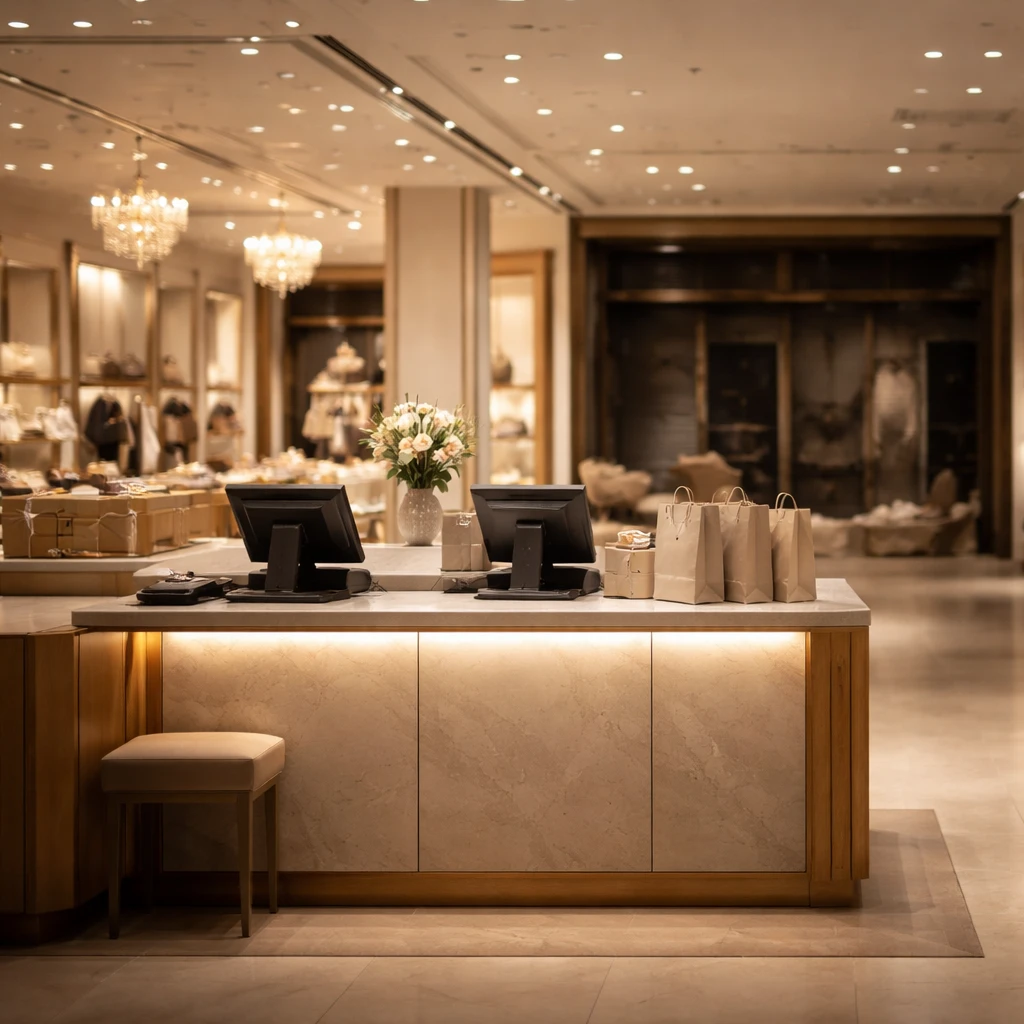

The landscape of luxury retail continues to demonstrate significant instability, marked most recently by Saks Global's bankruptcy protection filing late Tuesday. This event marks another chapter in a troubling pattern for traditional luxury department stores, following closures of notable names such as Barneys, Lord & Taylor, and Neiman Marcus. The industry's narrative often raises questions about the future viability of other department stores with a luxury focus, including Macy's.
However, contrary to expectations of a looming crisis for Macy's, there exists a narrative wherein Macy's and its premium wing, Bloomingdale's, continue to defy predictions of decline by emphasizing essential business fundamentals. This concentration on operational execution appears to resonate with customers, offering a counterpoint to the otherwise bleak luxury retail outlook.
During the past year, as Saks reportedly encountered difficulties managing vendor payments, Bloomingdale's has seized the opportunity to attract some of Saks's clientele, a trend that could persist if Saks proceeds with store closures or inventory reductions amidst its bankruptcy proceedings. Retail analyst Neil Saunders noted via email that such developments would bolster Macy's momentum amid the ongoing transformation of the department store sector post-pandemic.
Macy's survival through pandemic-related store closures, which severely impacted demand for luxury apparel and accelerated the shift toward e-commerce giants like Amazon, has been a story of resilience. The company has twice rebuffed private equity buyout proposals, refusing offers perceived as prioritizing real estate value over long-term retail prospects. This decision diverges from the trajectories of other retailers that succumbed to private equity ownership, such as Sears and Lord & Taylor, which ultimately led to their closures.
Following these defensive moves, Macy's recommitted itself to business fundamentals with the appointment of Tony Spring, previously an executive at Bloomingdale's, as CEO nearly two years ago. Spring's turnaround strategy includes addressing operational basics—improving store conditions by organizing merchandise displays, repairing infrastructure issues like dressing room locks, and ensuring attentive customer service staff presence.
Operational efficiency has paralleled store footprint optimization, with Macy's closing over 100 underperforming outlets and scheduling an additional 14 closures within the year. Though in its early stages, these efforts have yielded measurable outcomes. In September, Macy's achieved its first quarterly sales increase in several years, posting less than 1% growth year-over-year but surpassing Wall Street expectations enough to boost its stock by approximately 20%. Further, December figures revealed the strongest same-store sales growth for the company in over three years, reinforcing positive momentum.
Despite these promising signs, Macy's continues to face significant challenges. Saks and its subsidiaries retain the potential to recover from bankruptcy and resume competition in the luxury retail space. Concurrently, the persistent impact of online retail platforms continues to pressure physical stores. Additionally, evolving consumer attitudes toward luxury goods—characterized by dissatisfaction with rising prices and perceived quality declines—further complicate the retail environment. The burgeoning secondhand luxury market, exemplified by platforms such as The Real Real, and luxury brands' direct-to-consumer digital marketing strategies via targeted social media advertising have diminished reliance on traditional department store distribution.
Nevertheless, industry analysts, including Saunders, regard Macy's emphasis on basic retail principles as a viable path forward. In Saunders's assessment, the bankruptcy of Saks Global underscores the necessity for luxury department stores to prioritize customer experience and solid business practices. This strategic focus, exemplified by Tony Spring and Macy's executive team, is credited for recent success and likely to inspire continued investment in similar initiatives going forward.