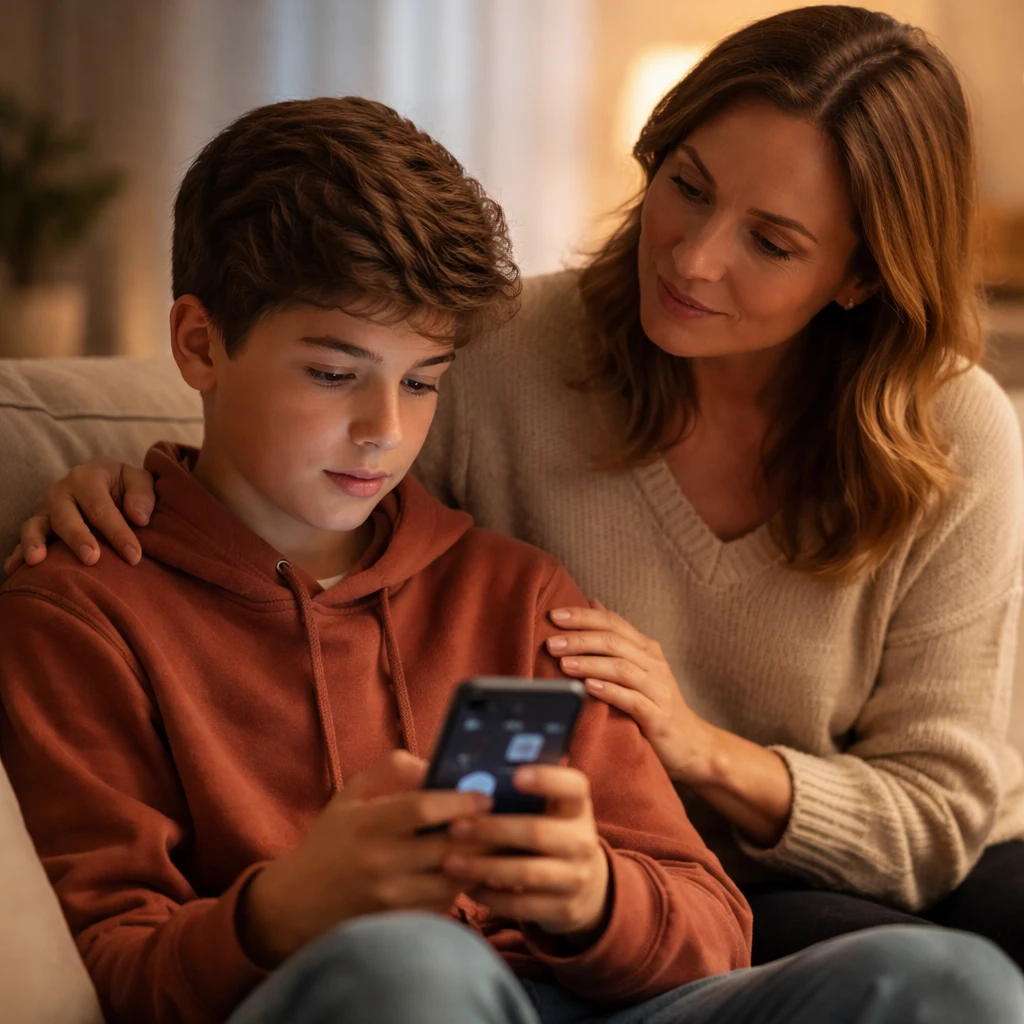

YouTube has unveiled a suite of new parental control capabilities designed specifically to empower parents and guardians in regulating their teenagers' interaction with Shorts, the platform's popular short-form video feature. As social media usage among young audiences continues to face scrutiny from families, advocacy groups, and regulators, this development marks an incremental yet significant effort by YouTube to foster safer digital environments for adolescent users.
The central addition allows parents supervising a teenager's account to impose strict time constraints or even an outright ban on consumption of Shorts. The available limits can be adjusted to span from zero minutes—effectively disabling Shorts—to a maximum of two hours daily. This granular flexibility offers parents the ability to tailor their teen's viewing patterns in alignment with situational demands. For instance, YouTube highlighted scenarios where parents might restrict Shorts entirely to encourage focus on homework, or alternatively, permit up to 60 minutes of engagement during extended car journeys to provide entertainment.
Complementary to these time management controls, YouTube has introduced options for setting custom reminders aimed at promoting healthier digital habits. These include personalized bedtime notifications and prompts that encourage users to take breaks from screen time. While the platform previously implemented automated reminders for users under 18, these new features grant parents more direct oversight in customizing these pauses according to their child's routines and preferences.
The platform is also streamlining the experience of account management for families. Improvements to the sign-up process have been made to better facilitate the creation of supervised accounts for minors, allowing parents to more easily monitor and guide their teenagers' YouTube usage. Moreover, switching between supervised minor accounts and the standard adult accounts on shared devices has been simplified, reducing friction as young users transition within family settings.
In terms of content curation, YouTube is refining its recommendation algorithms to prioritize videos that nurture positive developmental experiences for teens. The updated guidelines emphasize the promotion of videos that stimulate curiosity and inspiration, foster essential life skills and experiences, and provide credible information that supports wellbeing. This approach is part of the platform's ongoing effort to steer adolescent viewers away from potentially harmful content, including videos that might, for example, idealize specific body types or encourage detrimental behavior patterns.
Behind these changes lies YouTube's continued deployment of artificial intelligence technologies to enhance safety measures. Building on last year's initiative to infer users' ages through AI, the platform now places individuals identified as teens into a default set of protections appropriate for under-18 users, regardless of the age data initially submitted. This decisively aims to prevent underage users from accessing content or features deemed unsuitable for their age group.
These moves align with broader industry trends seen across major digital platforms. Instagram, ChatGPT, and Character.AI have recently taken similar steps to introduce or augment parental controls and restrict access to sensitive material for young users. Regulatory pressure and public concern about the addictive nature of short video platforms, along with the potential exposure of minors to inappropriate content, are key drivers behind such efforts.
Recently, Google's policies surrounding parental supervision of accounts received renewed attention following a viral incident involving child safety advocate Melissa McKay. She publicly shared that her nearly 13-year-old son was notified about an impending option to independently remove parental oversight from his Google account. McKay criticized this communication as an overreach of Google's authority concerning family boundaries.
In response, Google clarified its updated policy requiring explicit parental approval before children aged 13 and above can disable supervision features. Senior Director for Privacy, Safety, and Security Kate Charlet emphasized in a LinkedIn post that this change enhances protections by ensuring that parental controls remain active until both the teen and the parent agree that the user is prepared to manage their account autonomy. Furthermore, the company maintained its practice of informing both parents and minors via email of upcoming opportunities to alter supervision settings.
As digital platforms confront ongoing challenges in safeguarding young users, YouTube's expanded parental controls for Shorts represent a comprehensive attempt to balance engaging content consumption with responsible oversight. By equipping parents with more nuanced tools to regulate viewing time, content exposure, and account supervision, the platform seeks to mitigate risks inherent in algorithm-driven, endlessly scrollable video feeds. It remains to be seen how these features will influence user behavior and parental confidence in managing their teens' online experiences.
Overall, YouTube's updated framework underscores the necessity of collaborative stewardship between technology providers, families, and communities to foster safe and enriching digital spaces for the next generation.