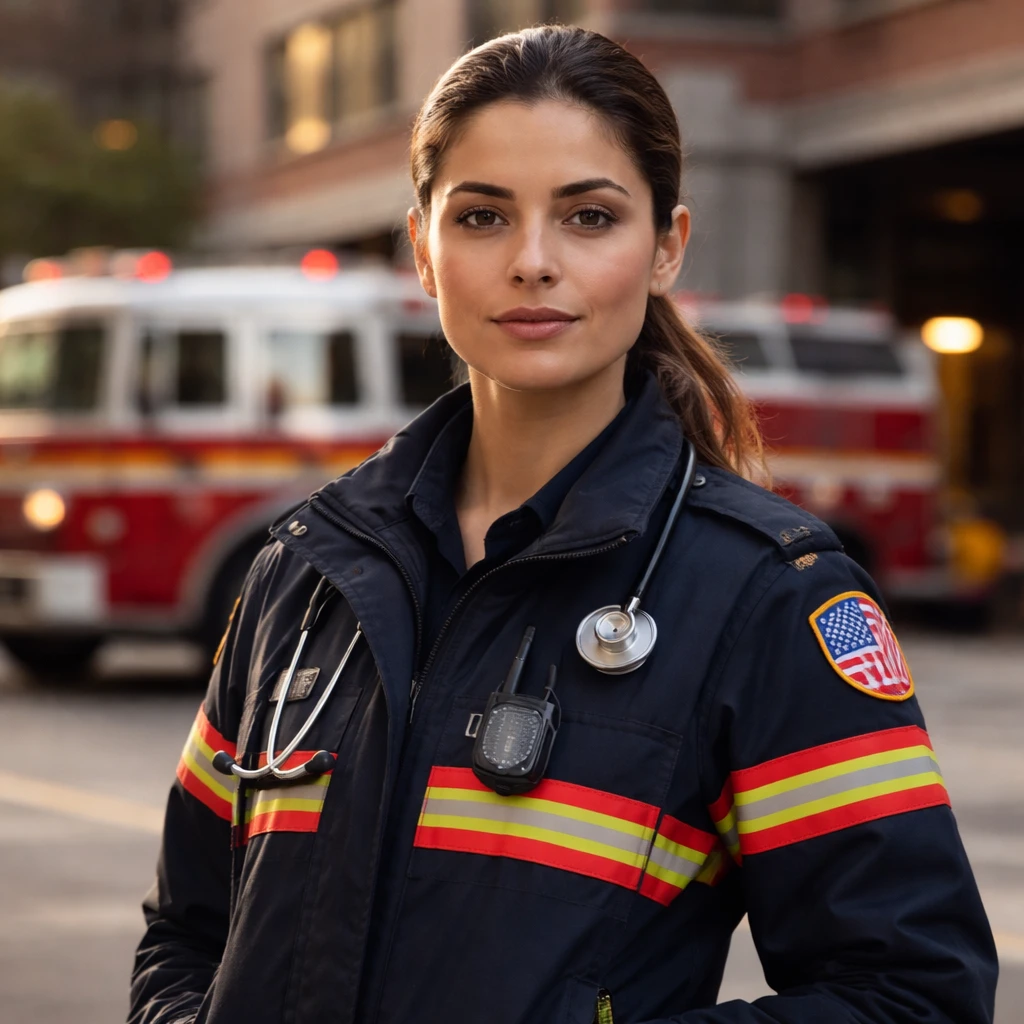

In a move that has sparked discussion across social and traditional media platforms, Zohran Mamdani has put forth Lillian Bonsignore as the next commissioner of the New York City Fire Department (FDNY). The appointment places Bonsignore at the helm of one of the city’s largest emergency response departments, tasked with overseeing critical lifesaving operations. Mamdani underscored Bonsignore’s extensive professional history, which spans over 30 years within the FDNY's Emergency Medical Services (EMS) division.
On Saturday, Mamdani took to social platform X to share details of the appointment, emphasizing the specific expertise Bonsignore brings. He wrote, "Experience does matter, which is why I appointed the person who spent more than 30 years at EMS. You know, the workforce that addresses at least 70% of all calls coming into FDNY?" This statement highlights that EMS services constitute a substantial portion of the department’s workload, framing Bonsignore's qualifications as particularly pertinent for effective department leadership.
The appointment has open historical significance as Bonsignore is set to become the first openly gay commissioner in the FDNY’s history, a milestone noted by various commentators as reflecting increasing diversity within the department at the executive level. Despite this landmark, the choice has invited scrutiny and criticism, most notably from Elon Musk, who voiced his concerns via Twitter. Musk contended that appointing an individual without traditional firefighting experience poses risks to public safety, stating, "People will die because of this. Proven experience matters when lives are at stake." His remarks have fueled conversations surrounding the qualifications considered essential for heading the FDNY.
Additional viewpoints have surfaced in the wake of Bonsignore’s appointment. David Sacks, serving as the White House AI and Crypto Czar, contributed a pointed but concise reaction on X, posting "Pray for NYC," a comment interpreted by many as a cautionary remark tied to the leadership change. Similarly, retired New York Police Department Lieutenant John Macari offered perspective by noting that many previous FDNY Fire Commissioners and the current NYPD Commissioner lacked operational experience akin to that expected of traditional firefighters. Macari advocated that Bonsignore’s three decades of EMS experience are highly relevant, especially since EMS calls represent the majority of FDNY’s call volume, suggesting the appointment reflects operational reality within the department.
These discussions underscore differing perspectives on what constitutes essential leadership credentials for the FDNY commissioner position. Supporters of the appointment argue that understanding and managing EMS operations is critical given their dominance in the department’s mission portfolio. Conversely, critics emphasize firefighting experience as a necessary element, particularly given the inherent dangers and life-or-death stakes involved in emergency response leadership.
As the new commissioner prepares to assume her duties, the FDNY enters a period of heightened attention regarding how leadership choices will influence the department’s effectiveness and public safety outcomes. The appointment of Lillian Bonsignore invites ongoing evaluation about the scope and relevance of varied emergency services expertise in shaping leadership approaches and policy execution within one of the nation's most prominent fire departments.
Ultimately, the debate taps into broader themes concerning evolving criteria for public safety leadership roles amidst changing service landscapes and community needs in New York City.