During the annual World Economic Forum gathering in Davos, Switzerland, Anthropic's Chief Executive Officer Dario Amodei provided a candid assessment of artificial intelligence's evolving impact on the global economy. He projected a future where the gross domestic product (GDP) could experience growth rates ranging from 5% to 10%, while at the same time the unemployment rate might escalate to around 10%. Amodei characterized this combination as something seldom observed in economic patterns, signifying a fundamental transformation in work and productivity dynamics.
Amodei conveyed mixed emotions about the unfolding AI-driven landscape, expressing both optimism and concern. He underscored a disconnect between the rapid advancement and adoption of AI technologies and the general public's understanding of the profound changes these innovations could precipitate. Anthropic, known for its Claude AI assistant accessible via chat interface and application programming interface, exemplifies one of the forefront providers contributing to this technological shift.
Economic Growth Versus Employment
The CEO highlighted a critical tension wherein economic expansion fueled by increased AI productivity might not translate into proportional employment levels. He pointed out that AI-induced job disruption could reach magnitudes affecting the overall economy rather than being confined to isolated sectors. Consequently, Amodei suggested that governmental roles will become increasingly vital to address and mitigate the widespread displacement of workers that may occur.
Moreover, Amodei proposed that the conventional emphasis on limiting economic growth to safeguard jobs might need re-examination. Instead, he advocated prioritizing policies that ensure the equitable distribution of the economic benefits derived from AI advancements. He recognized that this perspective challenges prevalent economic and political orthodoxies but argued it reflects the realities of the AI-driven economy.
Emergence of a Divided Economy
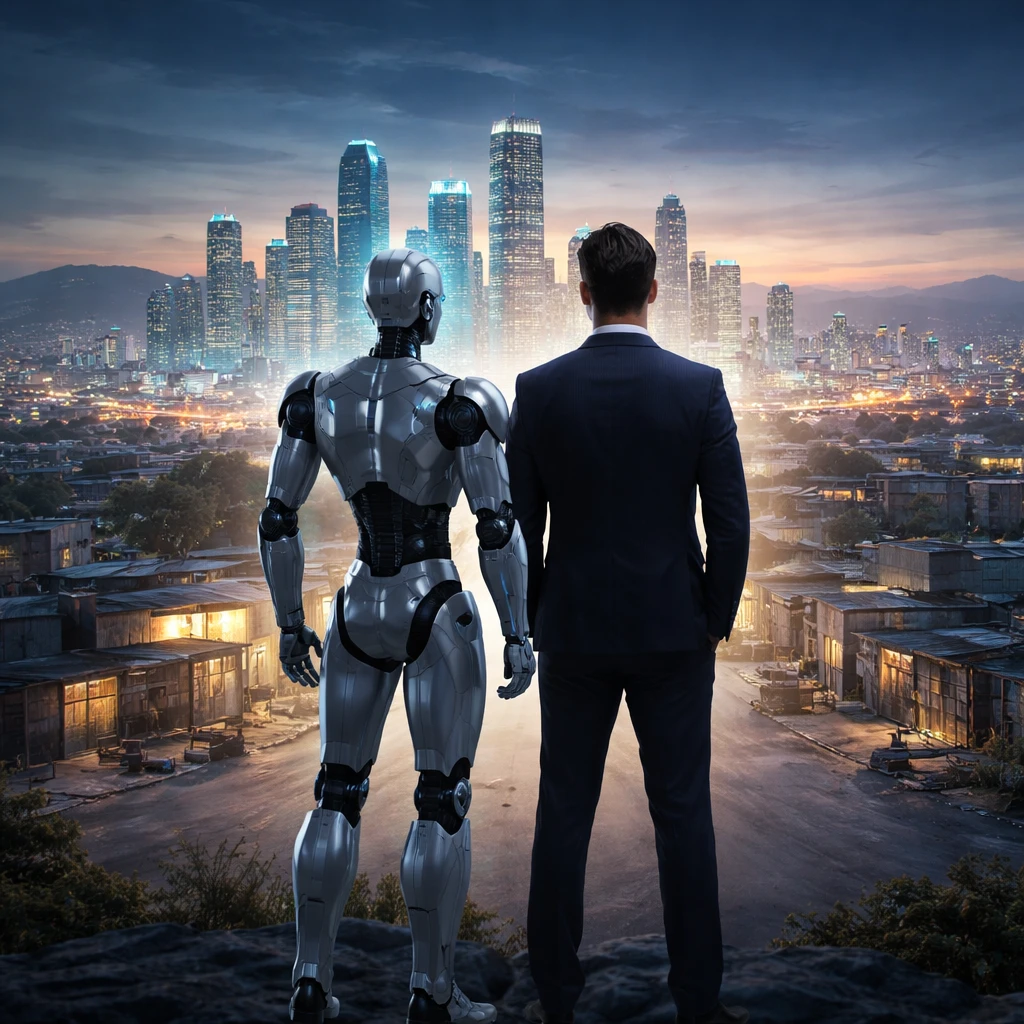
Amodei articulated a cautionary scenario he termed a "nightmare," where a so-called "zeroth world" economy could arise, comprised of roughly 10 million individuals. Within this group, approximately 7 million would be concentrated in Silicon Valley, with an additional 3 million scattered in other regions. This segment could experience GDP growth rates as high as 50%, sharply contrasted with other parts of the economy left behind, deepening social and economic disparities.
AI Governance and Responsibility
In conversations with members of the Trump administration, Amodei voiced these concerns and expressed support for many recommendations outlined in President Donald Trump's AI action plan published in July. He examined how the backgrounds of AI leadership teams influence their corporate responsibilities. Amodei differentiated between scientific leaders, who tend to consider the societal impacts of their technologies and accept associated accountability, and entrepreneurs from the social media era, whose consumer interaction models often relied on maximizing engagement through potentially manipulative means.
Highlighting Anthropic's strategic focus, Amodei noted that the company primarily targets enterprise clients rather than consumers. This contrasts with other leading AI developers like OpenAI and Google, whose consumer-centered products often incentivize maximizing user engagement, which can introduce distinct ethical and societal challenges.
Concluding Observations
Amodei's insights paint a complex portrait of AI's role in reshaping economic structures. While AI's power to boost productivity and GDP is evident, its capacity to displace jobs at scale raises pressing policy questions. His call for a balanced approach rests on ensuring that growth benefits are broadly shared and that emerging inequalities do not fracture societal cohesion. The unfolding developments underscore the necessity for thoughtful governance frameworks that adapt to AI's transformative potential without exacerbating social divides.