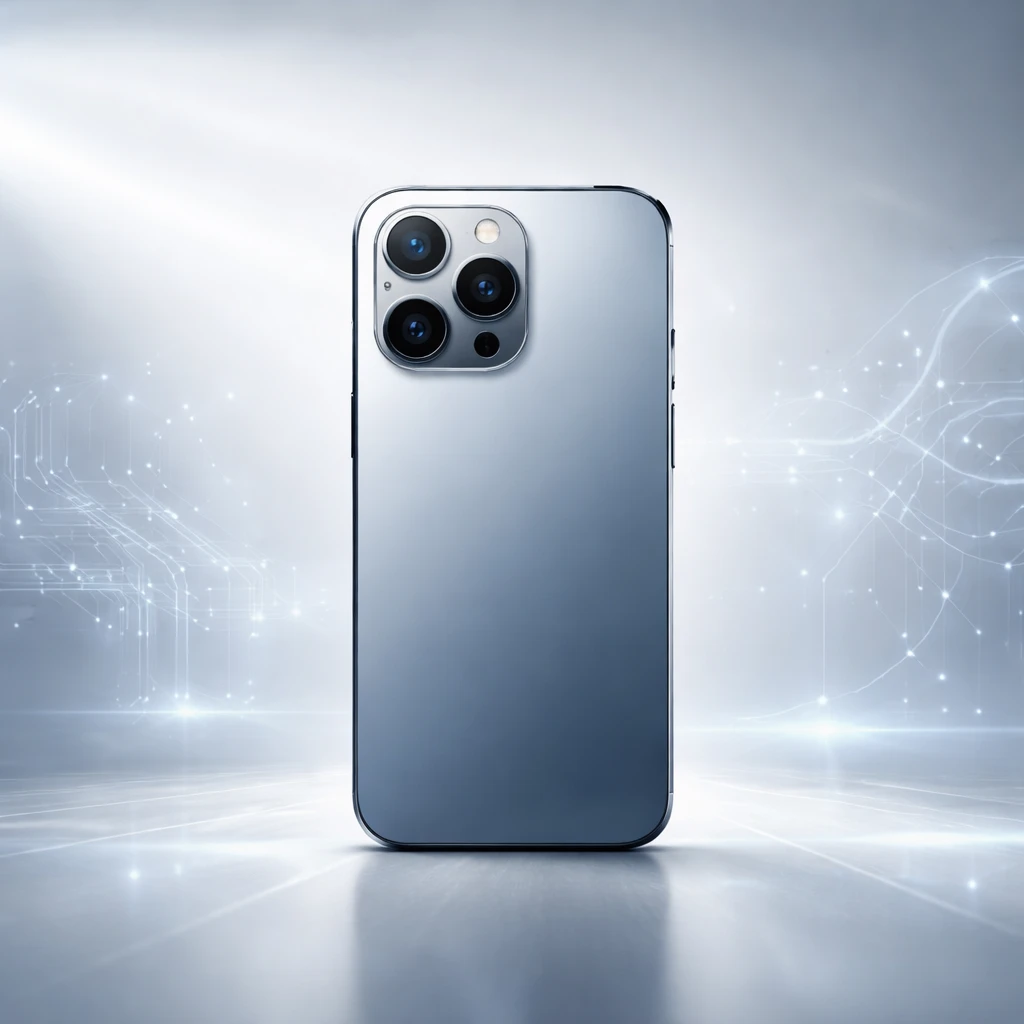

Apple Inc. has reported an impressive quarterly financial performance, highlighted by exceptional sales of the iPhone 17, which significantly boosted the technology giant's overall revenue. In a quarter that marks the first full period with the iPhone 17 available since its release in September, Apple posted earnings that strongly exceeded expectations, signaling confidence in its flagship product amidst ongoing challenges in the competitive AI landscape.
The company's total revenue for the quarter reached $143.8 billion, a notable increase from $124.3 billion reported in the same period last year. The iPhone category was particularly instrumental in this surge, generating $85.3 billion in revenue, far surpassing the $78.2 billion anticipated by analysts. This uptick underscores the pivotal role that the latest iPhone lineup continues to play in Apple's revenue mix.
Apple's CEO, Tim Cook, highlighted during a call with analysts that the company experienced record-high upgrade activity for the iPhone, alongside significant expansion in its customer base through 'switchers,' or users transitioning from Android devices to the iPhone ecosystem. This influx contributed to Apple's growing installed base, which now counts 2.5 billion active Apple devices worldwide.
In addition to the iPhone's strong performance, Apple reported solid revenue growth in the Chinese market, a territory where the company has traditionally faced stiff competition and volatility. Quarterly sales in China grew to $25.5 billion, compared to $18.5 billion in the previous year, indicating renewed traction in a key global market.
These financial results come on the heels of a challenging 2025 for Apple, during which the company contended with external pressures including tariffs and a notable delay in launching a revamped version of its digital assistant, Siri. Cook confirmed that the refreshed Siri, enhanced with advanced AI capabilities, is slated for release within the current year.
A significant development in Apple's AI journey is its new strategic collaboration with Google. This partnership involves Google's AI and cloud computing infrastructure powering Apple's AI models, including those integrated into the forthcoming iteration of Siri. Although the details of this collaboration remain limited publicly, Cook emphasized that it should be viewed as a collaborative effort, reflecting Apple's commitment to advancing its AI capabilities despite persistent market skepticism about its position relative to other tech giants.
Despite the favorable earnings and promising partnerships, Apple acknowledged ongoing operational challenges, notably in its supply chain. The tech industry is experiencing a shortage in memory components, partly because manufacturers are reallocating production capacity towards data center needs instead of consumer electronics. Cook described the situation as "constrained" and noted the difficulty in forecasting when supply and demand for memory chips will reconcile. While the impact on the December quarter was minimal, there is potential for more pronounced effects in the current quarter.
The iPhone 17 series, as a whole, has garnered broad market acceptance; however, sales of the iPhone Air variant have been relatively subdued according to data from Consumer Intelligence Research Partners. This nuance illustrates ongoing differentiation in demand across the product lineup.
Regarding Apple's AI ambitions, when questioned about the timeline for monetizing AI capabilities, Cook stated that AI opens a diverse set of opportunities across the company's product and service offerings. Although optimistic about the outlook and pleased with the Google partnership, he stopped short of providing concrete revenue projections or specific timelines for AI-driven income.
In summary, Apple's earnings report highlights the resilience and continuing appeal of the iPhone 17 in driving substantial revenue growth, while also revealing the complexities of integrating AI innovations within its ecosystem and managing supply-side constraints that could influence future performance.