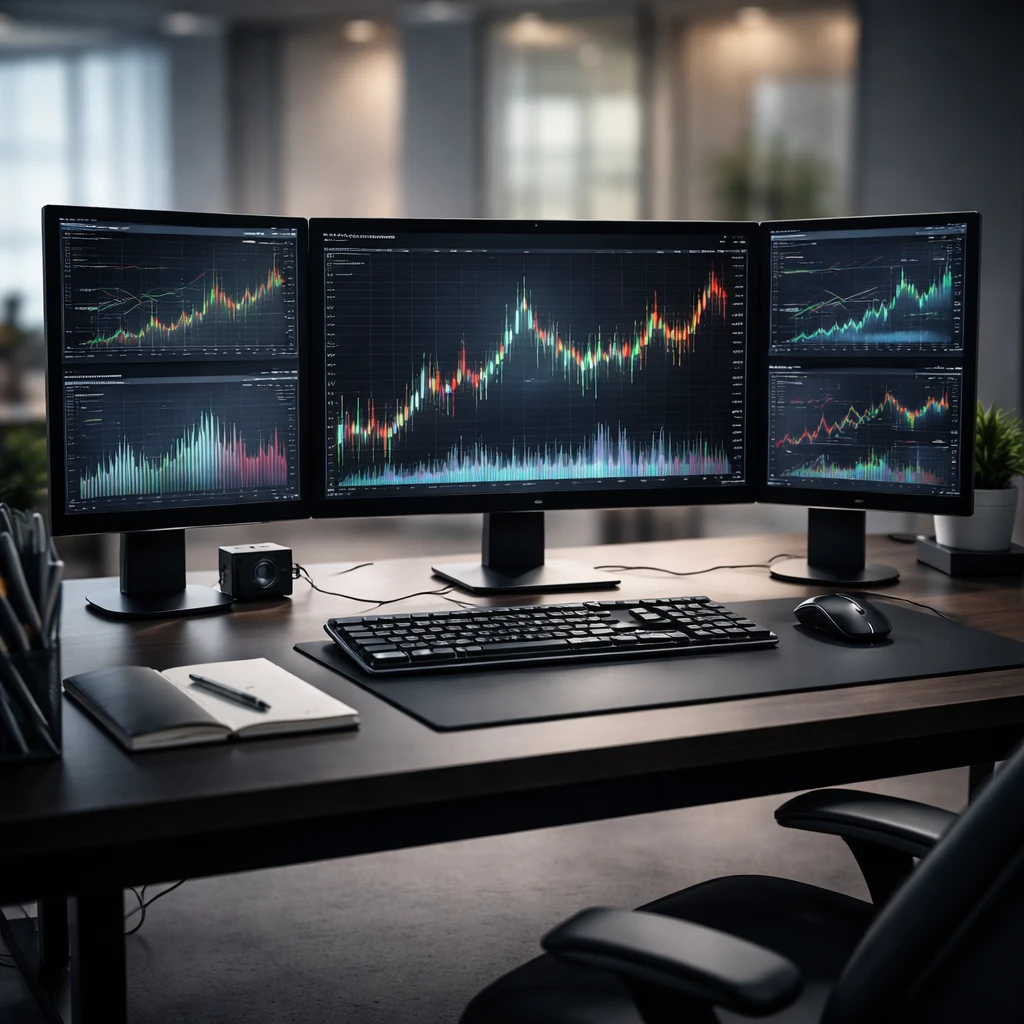

When entering the stock market as an active trader, your strategy and market understanding are vital, but equally important is the trading infrastructure that supports your activity. Trading infrastructure refers to the combination of technology, processes, data systems, and routines that enable you to execute trades efficiently, manage risk effectively, and maintain discipline over time.
In this comprehensive guide, we explore the key components of a robust trading infrastructure and provide actionable, step-by-step methods for setting one up. Whether you're a beginner developing your first setup or an intermediate trader looking to improve consistency and risk control, this article will give you a practical framework to build a dependable trading base.
What Is Trading Infrastructure and Why Does It Matter?
Trading infrastructure isn’t just about computers and internet connections; it encompasses everything that supports your trading process, including:
- Technology: Hardware, software, and connectivity.
- Data: Reliable market data feeds and news sources.
- Trade Execution Systems: Brokerage platforms, order types, and workflows.
- Processes and Routines: Pre-trade preparation, order placement protocols, and contingency plans.
A solid infrastructure reduces errors, minimizes execution costs, and helps you maintain discipline and objectivity during volatile or fast-moving market conditions.
Key Components of a Robust Trading Infrastructure
1. Technology Setup
- Computer Hardware: Choose a reliable computer with sufficient processing speed and memory to run trading platforms without lag. Consider a dual-monitor or multi-monitor setup to view charts, watchlists, and order entry simultaneously.
- Internet Connection: High-speed, stable internet is critical. Prefer wired Ethernet over Wi-Fi for better stability and lower latency. Consider a backup connection (e.g., hotspot) as a contingency.
- Software Platforms: Select a broker and trading platform that suit your style (intraday, swing, etc.) and offer necessary tools (charting, alerts, order types). Familiarize yourself fully with all features.
- Backup Power: Use an uninterruptible power supply (UPS) to avoid shutdowns during power failures, especially if trading intraday or with tight stops.
2. Market Data and News
- Reliable Data Feeds: Ensure you have real-time price and volume data from trustworthy sources. Delayed data can cause mistimed decisions.
- News Services: Keep access to market news and economic calendar data. Awareness of scheduled events and breaking news can be crucial.
- Alignment with Trading Strategy: Choose data and tools geared toward your trading timeframe and style.
3. Trade Execution Workflow
- Order Types Knowledge: Understand differences between market, limit, stop, stop-limit, and other order types to optimize execution and risk control.
- Order Entry Processes: Design clear, repeatable steps for placing orders including how to double-check ticker, size, price, and stops.
- Use of Automation Features: Set alerts and automated exit orders (e.g., stop-losses, take-profits) to reduce emotional interference and improve risk management.
4. Risk Management and Contingency Planning
- Pre-Defined Risk Parameters: Set clear rules for maximum risk per trade and daily limits to avoid overruns.
- Backup Plans: Establish contingency procedures for technology failures, order errors, or market interruptions.
- Regular Review: Schedule routine checks to evaluate execution quality, error incidents, and infrastructure performance.
Step-by-Step Checklist: Building Your Trading Infrastructure
- Assess your trading style and timeframe - Decide what technology and data requirements match your approach.
- Technology setup - Acquire or upgrade hardware, install necessary software, and arrange stable internet.
- Select and configure your broker and trading platform - Test features, practice order placement, and understand fees.
- Subscribe to real-time market data and news services compatible with your platform.
- Design your trade execution routine - Define step-by-step order placement protocol to minimize mistakes.
- Create risk management rules - Set trade risk limits, stop-loss guidelines, and daily loss thresholds.
- Develop contingency plans - Prepare backup communications, alternative access methods, and emergency protocols.
- Document all procedures and keep them readily accessible.
- Practice and refine your infrastructure through simulated or small real trades.
- Review periodically and update your setup as needed.
Worked Example: Setting Up a Day Trader27s Infrastructure
Meet Jackie, a beginner day trader planning to trade U.S. stocks with quick entries and exits.
- Jackie purchases a desktop computer with 16GB RAM and two 24-inch monitors for screening multiple charts and order windows.
- She gets a wired high-speed internet connection with a 5 Mbps upload/download speed to support real-time data. She also arranges a mobile hotspot as backup.
- She signs up with a brokerage offering direct market access and low commissions, with a trading platform supporting advanced order types and charting tools.
Jackie spends a week learning the software, practicing order entries, and simulating trades. - She subscribes to a real-time market data feed and installs an economic calendar widget triggered by her platform.
- Jackie documents a trade execution workflow: verify ticker and price, check risk percentage and dollar amount, place entry order with attached stop-loss, and set profit target.
- She sets a rule to risk no more than 1% of her capital per trade and a daily stop-loss limit of 3% to protect capital.
- Jackie prepares contingency plans: if her platform goes down, she logs into a web-based alternative; if internet fails, she uses her hotspot. She writes emergency contact numbers and keeps a phone line ready.
- Her trading infrastructure, now documented and tested, allows her to trade with confidence, reduce errors, and manage risks systematically.
Common Mistakes to Avoid in Trading Infrastructure Setup
- Neglecting Backup Plans: Failing to prepare for outages or platform issues can lead to unmanaged trades and losses.
- Using Outdated Technology: Slow or unstable hardware and internet increase execution delays and operational risk.
- Ignoring Platform Training: Lack of familiarity with your trading software can cause costly order entry mistakes.
- Overcomplicating Technology: Adding too many tools or data sources can cause overwhelm and slow decision-making.
- Skipping Routine Reviews: Infrastructure management requires regular updates and checks to maintain performance and security.
- Failing to Define Risk Controls in Workflow: Not incorporating risk rules into your order processes can lead to larger than planned losses.
Practice Plan (7 Days) to Build Your Trading Infrastructure
- Day 1: Define your trading style and write down technology and data needs.
- Day 2: Research and select hardware and internet providers. Initiate orders or upgrades if needed.
- Day 3: Choose a broker and download the trading platform. Explore basic features.
- Day 4: Subscribe to market data and news services aligned with your trading timeframe.
- Day 5: Draft your order execution workflow with clear, repeatable steps including risk checks.
- Day 6: Develop contingency plans for common disruptions and document them clearly.
- Day 7: Test your infrastructure with paper trading or small real trades; review and note improvement areas.
Key Points
- Trading infrastructure includes technology, data, trade execution systems, and routines that support your trading activity.
- Building a reliable infrastructure reduces errors, improves order execution, and supports risk management and discipline.
- Regularly reviewing and updating your trading setup, along with contingency plans, is essential for sustained trading success.
Risks and Pitfalls
- Technical failures or connectivity issues can cause missed trades, delayed executions, or unintended order fills.
- Over-reliance on complex tools or poorly understood features increases operational risk and decision errors.
- Inadequate risk management within trade execution workflows can expose you to outsized losses or margin calls.