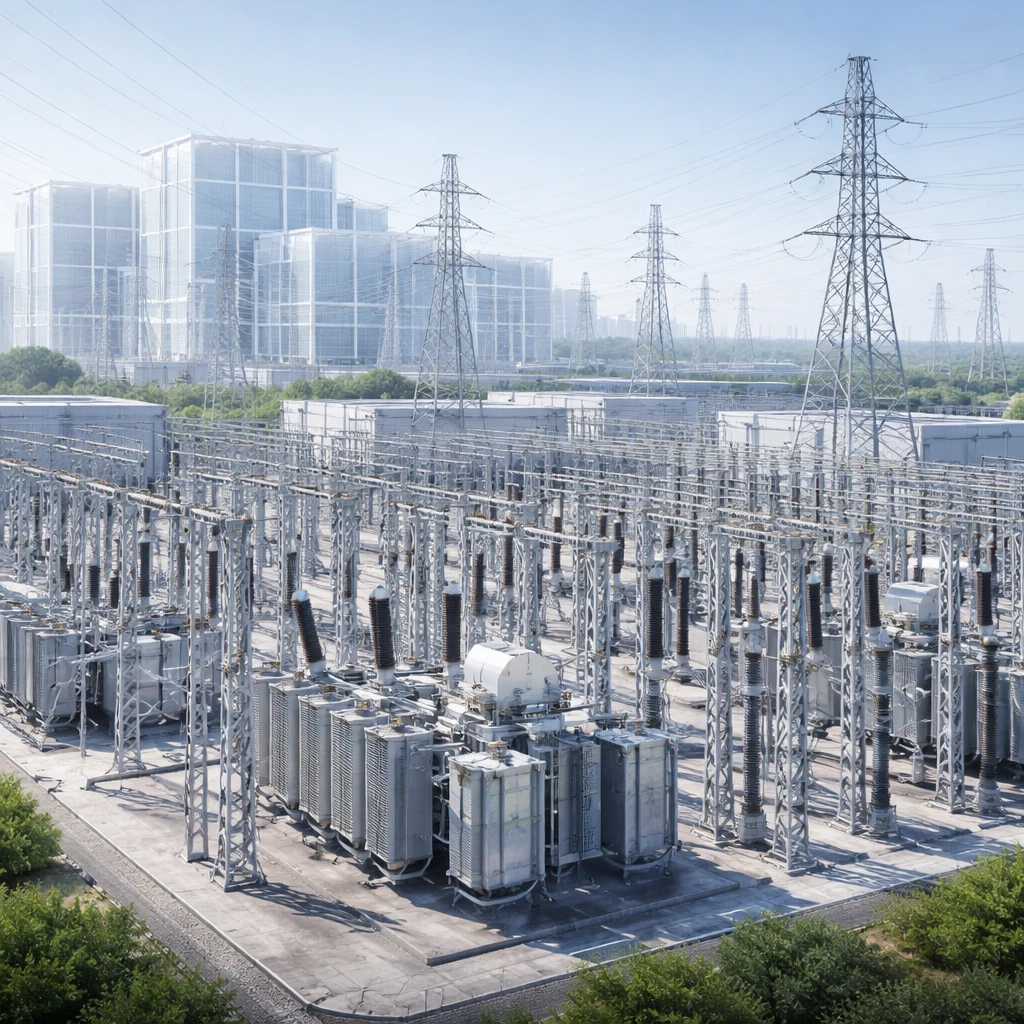

The Trump administration, in collaboration with a group of governors from northeastern states, has proposed that PJM Interconnection, the largest electrical grid operator in the country, initiate a significant power auction. This auction is part of an initiative to ensure that technology companies, which have been rapidly expanding data center infrastructure, contribute fairly to the rising costs of electricity that have occurred as a result.
The auction would permit these technology firms to compete for 15-year electricity contracts specifically tied to new power generation. The intention behind this move is to address the increasing demand for electricity placed on the regional grid by the proliferation of energy-intensive data centers, particularly as artificial intelligence applications drive growth in these facilities.
According to statements from the White House spokesperson Taylor Rogers, this initiative reflects a rare bipartisan effort under President Trump’s leadership aimed at rectifying past shortcomings in energy supply and pricing strategies. Rogers emphasized that the goal is to prevent future electricity price surges and mitigate the risk of blackouts, thereby providing stable and affordable power to residents in the Mid-Atlantic region.
However, implementation of this initiative requires cooperation from PJM, which has yet to be formally invited to participate. PJM responded to the announcement by expressing surprise and clarifying that they were unaware of the plans beforehand. The grid operator stated they had not been included in the discussions and would not attend any upcoming related announcements.
PJM operates the largest electrical grid in the United States, overseeing transmission and distribution across thirteen states along with the District of Columbia. The increasing demand from states such as Virginia, which is experiencing a boom in data center development powered by AI technologies, has intensified the strain on the interconnected grid and caused electricity prices to rise regionwide.
This surge in demand has led to notable increases in utility rates. For instance, Virginia’s largest electricity provider is implementing a roughly 9% rate hike, while residential customers in New Jersey have encountered electricity bill increases exceeding 20% within the current year.
Consumers across these regions have faced significant increases in their electricity bills, coinciding with the expansion of data centers and associated infrastructure investments by the technology industry. These facilities consume exceptionally high amounts of electricity, contributing to the overall pressure on energy supply systems.
Beyond the financial impacts, some local communities have voiced concerns about the environmental effects of the growing data center footprint. There are also apprehensions related to the broader economic impact, such as the potential for AI technologies to displace jobs.
The Trump administration has signaled its focus on addressing the economic burden borne by residents due to rising electricity costs. In January, President Trump indicated that efforts were underway to work directly with major American technology companies to secure commitments aimed at preventing consumers from shouldering the entire financial impact of increased power consumption tied to data centers.
Reflecting this approach, some technology companies have begun considering measures to alleviate these costs. Microsoft, for example, has communicated plans to accept higher electricity charges in regions where it is developing data centers. The company also intends to assume responsibility for financing infrastructure upgrades required to support increased electricity demand and enhance grid capacity.
As the conversation unfolds, the proposal for a long-term power auction represents a complex interaction between federal leadership, state authorities, private industry, and utility operators. The outcome relies heavily on coordination among these stakeholders, particularly involving PJM's participation, to effectively balance the economic and operational challenges presented by the accelerated growth of the data center sector.
This initiative illustrates the evolving challenges in managing energy resources in the context of rapid technological advancement and infrastructure expansion, highlighting the need for innovative policy solutions to maintain grid reliability and affordability for all consumers.