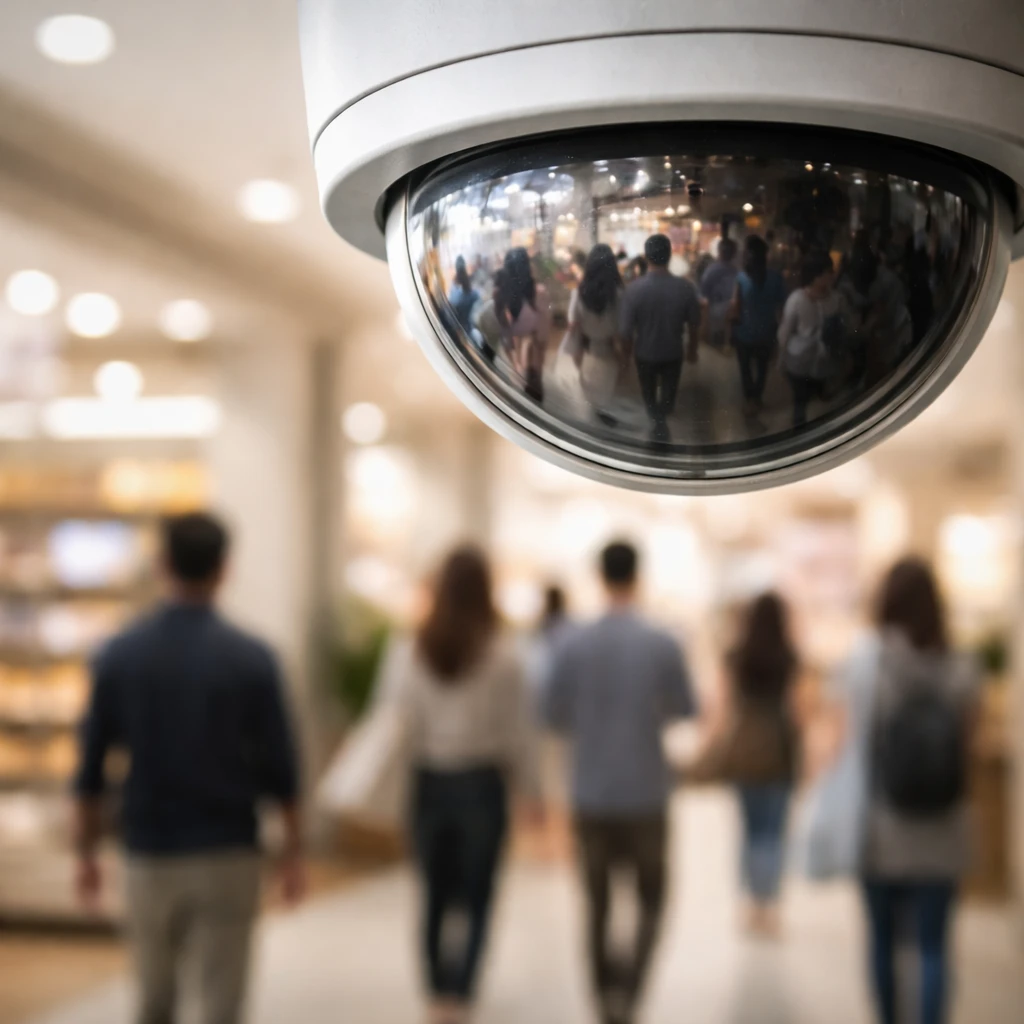

Across the United States, prominent retail chains have adopted facial recognition technology as a tool to combat theft within their stores. This technology, which scans and analyzes customers' facial features, aims to identify individuals with previous incidents of shoplifting or other misconduct. Though the use of facial recognition is not a novel concept—having been implemented controversially for over a decade—the pace of its expansion in American retail spaces has accelerated recently, often occurring with limited transparency and consumer consent.
Despite its growing presence, many shoppers remain unaware that their biometric information, such as facial images and even voice data, may be collected and stored during routine visits to these stores. This lack of awareness has frequently led to public dissatisfaction when revelations about such practices surface.
A case in point is the recent controversy involving Wegmans, a supermarket chain recognized for its dedicated customer base. The company disclosed that it employs facial recognition technology at some of its New York City locations, prompting a wave of criticism and concern from shoppers and media outlets alike. This disclosure coincided with the implementation of New York City's biometric privacy law, which mandates that commercial entities notify patrons if biometric data is collected or retained. The law, enacted in 2021, further prohibits businesses from selling or sharing this sensitive information.
Wegmans responded to the legislative requirements by prominently placing signage near store entrances in Manhattan and Brooklyn. These notices inform customers that data related to their facial features, eyes, and voices may be captured and stored. According to the company, the facial recognition technology is deployed in a limited number of stores situated in neighborhoods identified as having a higher risk of security incidents. The stated objective is to enhance the safety and security of patrons and employees by detecting individuals previously flagged for misconduct.
This localized disclosure requirement in New York City contrasts with the broader national landscape, where regulations governing biometric data collection remain sparse. According to Jeramie Scott, senior counsel at the Electronic Privacy Information Center, the absence of comprehensive federal, state, or municipal oversight leads to challenges in ensuring transparency and protecting civil liberties. He highlights that much of the facial recognition surveillance occurs without public knowledge and emphasizes that current laws have not yet evolved sufficiently to address the nuances of biometric data usage.
Facial recognition technology has a history of application in law enforcement and security contexts, including at venues managed by entities such as the Madison Square Garden Police departments and at retail chains like Rite Aid. In recent years, this technology's presence has extended to mainstream retail locations and entertainment venues. Retailers often maintain watchlists containing individuals suspected or convicted of shoplifting. Facial recognition software then acts as a real-time alert system for staff members when someone on these lists enters a store.
Wegmans is among a roster of major U.S. retailers—including Walmart, Kroger, and Home Depot—that integrate facial recognition systems as part of their security protocols. Many of these companies disclose the use of such technologies within their privacy policies, though direct consumer awareness remains limited. The Federal Trade Commission has acknowledged the expansion and increasing sophistication of biometric surveillance tools, noting the heightened risks these pose to individual privacy and civil rights.
The regulatory framework at the federal level and in the majority of states has yet to establish stringent controls on biometric data collection. This absence of regulation impedes the public's ability to identify which private companies implement facial scanning technologies within their operations. Furthermore, documented abuses have emerged, including incidents of false positives leading to wrongful accusations and arrests. For instance, in 2023, Rite Aid agreed to a five-year prohibition on using facial recognition technology following Federal Trade Commission findings that the chain's practices led to unfair targeting and accusations, disproportionately affecting minority groups.
Beyond retail, facial recognition has also been utilized to restrict access to sporting events and concerts. MSG Entertainment, which owns prominent venues such as Madison Square Garden and Radio City Music Hall, reportedly employs facial recognition to enforce an "attorney exclusion list," preventing certain legal representatives from attending these events.
Legal experts and privacy advocates suggest that the use of biometric surveillance is now widespread among large and mid-sized retailers. Adam Pollock, an attorney representing plaintiffs in a class action lawsuit concerning biometric data collection at New York's Citi Field stadium, points out that the reluctance of companies to openly discuss their biometric practices may stem from widespread public unease regarding such technologies.