
FDA Initiates Review of BHA Food Additive Safety
February 10, 2026
News & Politics

FDA Initiates Review of BHA Food Additive Safety

Regulatory scrutiny intensifies on BHA use in various food products amid long-standing health concerns

Summary

The U.S. Food and Drug Administration (FDA) has announced plans to conduct a comprehensive reassessment of the safety profile of butylated hydroxyanisole (BHA), a chemical preservative commonly found in multiple processed foods. This renewed evaluation aligns with the FDA’s broader initiative to review chemical additives present in the national food supply, reflecting persistent health debates and regulatory considerations surrounding BHA's carcinogenic potential.

Key Points

The FDA has initiated a renewed review of the safety status of BHA, a chemical preservative used in various processed foods and food-contact materials.
BHA has a complex regulatory history: originally recognized as safe, yet classified since 1991 as a chemical reasonably anticipated to be a human carcinogen by the National Toxicology Program.
Despite a decline in usage, BHA remains prevalent in many food items, including those targeted at children, raising ongoing health and regulatory concerns.

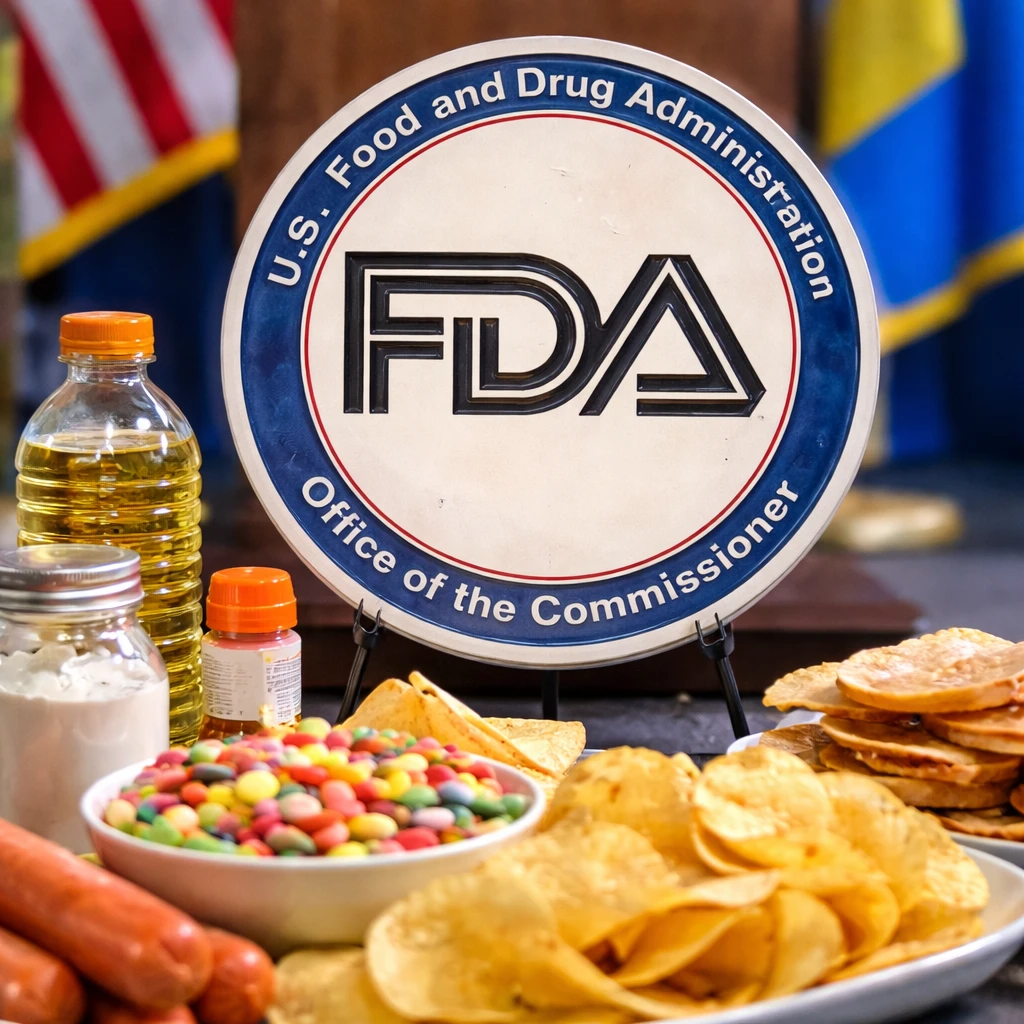
The U.S. Food and Drug Administration announced on Tuesday its intention to undergo a renewed safety evaluation of butylated hydroxyanisole (BHA), a chemical preservative extensively utilized in foods such as potato chips, cereals, frozen meals, and meat products. This initiative involves the issuance of a fresh request for information specific to BHA, underlining the agency's commitment to reassessing whether its use in food products and food-contact materials complies with current safety standards.

According to an official FDA statement, the forthcoming review will carefully examine BHA's safety "under its current conditions of use in food and as a food contact substance." This action is embedded within a broader FDA effort aimed at scrutinizing the range of chemical additives incorporated into the U.S. food system. BHA was previously identified as a priority for such a review as early as May, illustrating its significance within regulatory safety considerations.

FDA Commissioner Marty Makary emphasized this decisive move by stating, "We are taking decisive action to ensure that chemicals in our food supply are not causing harm." BHA's regulatory history dates back over six decades, with the FDA first designating it as "generally recognized as safe" (GRAS) in 1958 and subsequently approving it as a food additive in 1961.

Despite its longstanding approval, BHA has been classified as "reasonably anticipated to be a human carcinogen" since 1991 by the National Toxicology Program, reflecting ongoing concerns regarding its long-term safety. In addition, health advocacy organizations such as the Center for Science in the Public Interest have consistently advised consumers to avoid products containing BHA, citing animal studies that demonstrated carcinogenic effects in rats, mice, and hamsters.

Further compounding concerns, BHA has been officially listed as a known carcinogen under California’s Proposition 65 regulations since 1990, highlighting its recognized potential risk at the state level.

The FDA's latest assessment also noted that although use of BHA has declined in recent years based on package labeling data, it remains present in many food products, including some marketed toward children. This ongoing presence raises questions about exposure risks across various demographics, particularly among vulnerable consumers.

This regulatory reassessment fits within the FDA’s comprehensive approach to continuously vetting the safety and approval status of chemical additives in foods, ensuring alignment with contemporary scientific evidence and public health considerations.

Risks
  • Potential carcinogenic effects linked to BHA could lead to stricter regulations or reformulations affecting food manufacturers and suppliers in the processed food sector.
  • Consumer avoidance of BHA-containing products may impact market demand and sales performance within food segments such as snacks, cereals, and processed meats.
  • Uncertainty surrounding regulatory outcomes could affect investment and product development decisions in the food manufacturing and retail industries.
Disclosure
This article is based solely on publicly available information from official FDA statements and health advocacy groups. No confidential or proprietary data was used. The analysis reflects current facts without speculative assumptions or external inferences.
Search Articles
Category
News & Politics

News & Politics

Related Articles
Treasury Secretary Highlights Urgency for Crypto Regulatory Clarity Amidst Coinbase Opposition

In light of recent fluctuations in cryptocurrency markets, U.S. Treasury Secretary Scott Bessent emp...

U.S. Risks Losing Edge in AI Innovation Due to Fragmented Regulation, Warns White House AI Coordinator

David Sacks, the White House AI and crypto coordinator, cautioned that the United States might fall ...

Partisan Divide Deepens as White House Excludes Democratic Governors from NGA Meeting

The longstanding bipartisan forum of the National Governors Association (NGA) is facing disruption a...

Using Fireplace Ashes in Your Garden: Benefits and Considerations

Amidst a notably cold winter leading to increased fireplace use, many homeowners are seeking sustain...