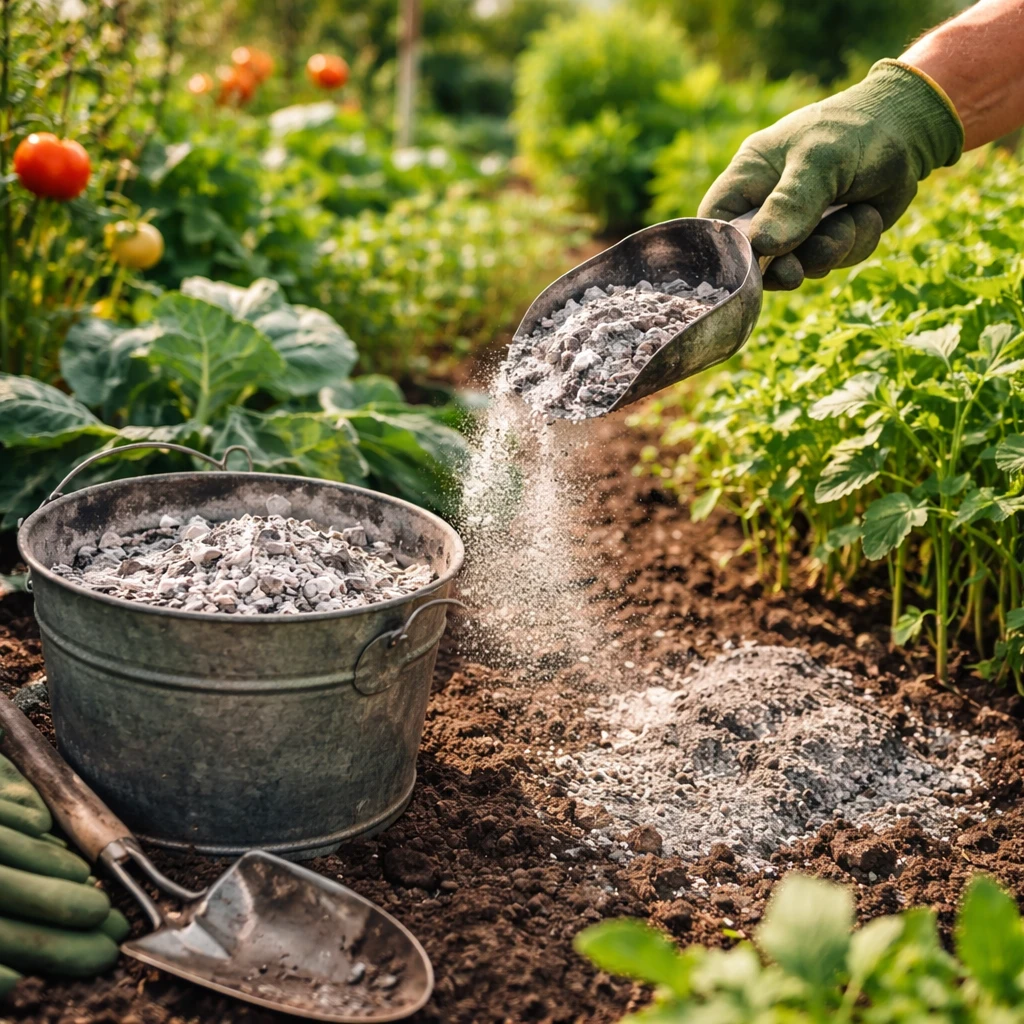

During the intense cold gripping much of North America this winter, an accumulation of fireplace ashes has sparked interest among gardeners looking for environmentally responsible ways to enrich their soils. Wood ashes, produced from burning untreated wood, possess a range of nutrients beneficial to plant growth; however, their use comes with important precautions to ensure positive outcomes and avoid potential drawbacks.
These ashes are rich in potassium, a vital mineral that supports overall plant vigor. They also furnish phosphorus, which is essential for developing robust root systems, and calcium, which plays a key role in enabling plants to absorb various nutrients within the soil. Besides nutrients, wood ashes impact soil chemistry by elevating the pH, thereby making soils more alkaline.
Increasing soil alkalinity through wood ash applications can be advantageous for gardeners working with naturally acidic soils, particularly for crops such as tomatoes, peppers, and eggplants which thrive in less acidic conditions. Conversely, for acid-preferring plants like rhododendrons, azaleas, or blueberries, raising the pH can be detrimental. Additionally, those with already alkaline soils — characterized by pH levels at or above 7 — risk impairing plant growth by further increasing alkalinity through ash application.
Although wood ashes exhibit alkalinizing properties, relying solely on them to amend very acidic soils is generally ineffective, as substantial quantities would be necessary to neutralize low pH levels fully. Therefore, ashes are better suited for soils with borderline acidity, where moderate adjustments are needed.
Determining the existing pH of your garden soil is crucial prior to ash use. Soil testing can be performed at home via commercially available kits or by submitting samples to local cooperative extension offices or master gardener clinics, where professional analysis and tailored amendment recommendations can be provided.
Once armed with an understanding of your soil's properties, decisions regarding ash use become better informed. Key considerations include identifying the source of the wood used to produce the ashes. It is essential to use ashes only from untreated wood, as treated wood or trees subjected to pollution may contain harmful chemicals or heavy metals that could contaminate your garden. Coal ash and charcoal briquette ash are unsuitable for soil applications due to toxic substance content.
Before applying ashes, ensure they have fully cooled, a process that can take upwards of a week. Sifting the ashes to remove larger wood fragments and debris is also recommended, utilizing garden sifters, window screens, or custom sieves constructed from hardware cloth.
Application quantities should be moderate to prevent excessive alteration of soil pH. If soil testing provides dosage guidelines, adhere strictly to those. In the absence of specific instructions, a conservative limit is one 5-gallon (approximately 20 pounds) bucket of ash per 1,000 square feet of garden annually. This quantity supports nutrient availability without causing significant alkalinity shifts. Repeat soil testing prior to any additional applications is advisable. Wood ashes can also be distributed sparingly over lawns or incorporated into compost systems.
Timing and method of application influence effectiveness. In winter, apply ashes to bare soil on calm days and without snow cover. Watering lightly after spreading aids ash absorption and prevents dispersion by wind. In spring, apply ashes at least two weeks before planting, working them 4 to 6 inches deep with a sturdy rake to integrate properly into the soil.
Excess ashes should not be indiscriminately discarded in yard corners, as large amounts can harm soil quality, pollute groundwater, and negatively affect aquatic fauna by altering water chemistry. Instead, collect ashes after thorough cooling, store them in covered metal containers outdoors and away from structures for approximately one week, then safely dispose of them in sealed bags as household waste.