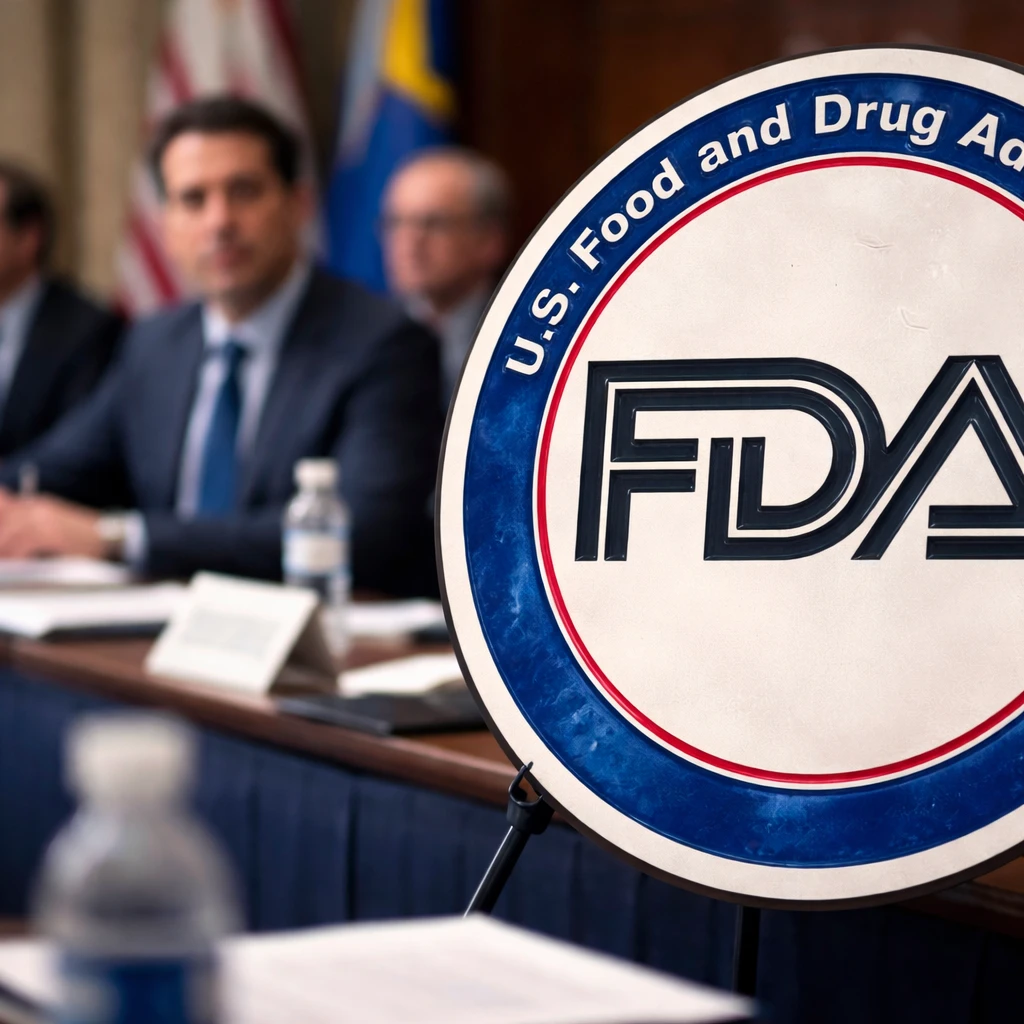

The Food and Drug Administration's (FDA) recent initiative aimed at dramatically reducing drug review times is causing substantial concern among agency employees and outside observers. The program, introduced by FDA Commissioner Marty Makary, offers rapid approval pathways for medications that align with what are defined as “U.S. national priorities.” This approach forms part of Makary's broader agenda to eliminate bureaucratic obstacles and reevaluate established workflows at the FDA, which is charged with ensuring the safety and efficacy of food, pharmaceuticals, medical devices, and other consumer products.
Despite these intentions, the push for expedited approvals has engendered an atmosphere of anxiety and uncertainty within the FDA’s drug center. This unease is exacerbated by a recent loss of nearly 20% of staff members due to layoffs, voluntary buyouts, retirements, and resignations.
One particularly unsettling issue involves the legal complexities surrounding the program. Multiple FDA leaders have expressed hesitation about their capacity to legally authorize approvals under this expedited pathway. These concerns contributed to the exit of several key figures in the drug center over the past year, which now has cycled through five directors. Traditional FDA drug evaluations involve prolonged, thorough analyses by career scientists to ensure medicines meet federal safety and effectiveness standards.
However, the new rapid approval program has become entangled with the White House's efforts to negotiate lower prices from drug manufacturers. This represents a notable shift from the agency’s long-standing science-driven framework, causing staff members to fear damage to the FDA’s scientific standing and possible risks to patient safety.
A spokesperson from the Department of Health and Human Services, Andrew Nixon, defended the program, emphasizing that it maintains “gold standard scientific review” and seeks to deliver treatments and cures that are meaningful and effective.
Key issues highlighted include:
- Legal authority uncertainties: High-ranking officials remain unclear about who holds the appropriate legal responsibility to finalize drug approvals under the National Priority Voucher program. Former drug director Dr. George Tidmarsh refused to approve drugs via this pathway before leaving the agency in November. His successor, Dr. Sara Brenner, also declined this role after legal review. Presently, Deputy Chief Medical Officer Dr. Mallika Mundkur carries this responsibility.
- Integration with drug pricing negotiations: The voucher program has closely aligned with White House-driven drug price concessions. For example, when pharmaceutical companies like Eli Lilly and Novo Nordisk pledged price reductions on certain obesity treatments, the FDA expedited voucher issuance to coincide with public announcements. This link has heightened concerns about political influence over scientifically grounded drug review processes.
- Shift away from scientific review control: Historically, FDA career scientists and their supervisors conducted approval decisions. Under the new program, final approvals are determined by a committee of senior leadership, excluding the direct vote of staff reviewers. This approach diverges sharply from precedent and has been criticized for sidelining expert scientific judgment.
- Operational pressures on reviewers: Ambiguity in the program’s processes has led some manufacturers to push for unrealistic review timelines. For instance, during the review of Eli Lilly’s anti-obesity drug, the company initially expected approval within two months, which alarmed staff due to the concurrent omission of the usual 60-day prefiling period. Ultimately, a compromise reduced this to two weeks. When personnel flagged gaps in the application, they were instructed by a senior official that regulatory standards could be relaxed if scientific evidence was supportive.
Andrew Nixon declined to comment specifically on the Lilly review but indicated that FDA reviewers have discretion to modify review timelines as necessary. Lilly's CEO, David Ricks, recently projected FDA approval of their obesity treatment within the second quarter of this year.
These developments illustrate a significant transformation at the FDA, where expedited drug approvals, legal uncertainties, and political considerations intersect. The consequences for regulatory integrity, patient safety, and the pharmaceutical sector warrant close observation.