
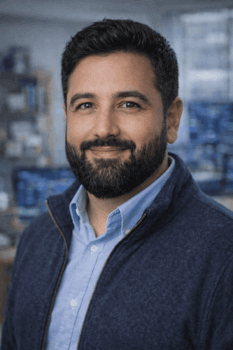
Artificial intelligence is progressively shaping recruitment strategies, yet there is no concrete evidence of widespread job displacement at this stage, stated Demis Hassabis, CEO of Google DeepMind, in a discussion held at the World Economic Forum in Davos. Hassabis emphasized that changes in employment are unfolding gradually and are currently most notable in the hiring of junior-level personnel rather than mass layoffs.
Addressing the panel alongside Anthropic CEO Dario Amodei, Hassabis observed that labor market data so far does not indicate large-scale job losses attributed to AI deployments. Instead, indications of slower hiring have appeared mainly within internships and entry-level job openings. "I think we're going to see this year the beginnings of maybe it impacting the junior level," Hassabis shared, highlighting a perceptible slowdown in hiring for less experienced roles, including those witnessed internally at DeepMind.
He further stressed that the recent shifts in hiring patterns largely reflect ongoing adjustments following the pandemic era, not a direct consequence of automation or AI replacing roles across the workforce in significant numbers. "There is some evidence, I can feel that ourselves, maybe like a slowdown in hiring in that," Hassabis remarked, underlining the nascent nature of these trends.
Looking ahead, Hassabis noted the rapid pace of AI advancements could gradually make automation's effects more apparent, especially in positions where workplace tasks are more amenable to automation and performance verification. This potential for increased impact calls for continued observation as technological capabilities grow and become integrated into various job functions.
Echoing similar sentiments, Dario Amodei disclosed that Anthropic is observing comparable patterns, particularly concerning software and coding positions. AI systems are increasingly handling some technical work, which could reduce demand for junior and intermediate employees in these disciplines. "Now I think maybe we're starting to see just the little beginnings of it, in software and coding," Amodei said, noting that within Anthropic, projections show a future scenario requiring fewer staff at junior and intermediate levels.
Reflecting on how to navigate this shift, Amodei confirmed that Anthropic is carefully contemplating strategies to manage changing workforce needs in a responsible and thoughtful manner. Both leaders acknowledged AI's role in creating new opportunities, particularly for individuals who learn to use these emerging tools effectively. According to Hassabis, the current generation of AI systems provides avenues for students and early-career workers to acquire skills at a faster rate than previously possible, potentially offsetting some displacement impacts.
Despite these opportunities, Amodei expressed concern about the rapid and exponential pace of AI development. He warned that within a relatively short timeframe—ranging from one to five years—the speed of progress could surpass the labor market's capacity to adapt effectively. "My worry is as this exponential keeps compounding... it will overwhelm our ability to adapt," he said, highlighting a key uncertainty in managing workforce transitions amid accelerating AI capabilities.
Overall, while AI-driven changes in employment practices are emerging, the impact remains concentrated at the junior hire level with no widespread displacement across industries at present. Both Hassabis and Amodei identified the current state of AI integration as a delicate balance between gradual transformation and the ongoing evolution of workforce demands.