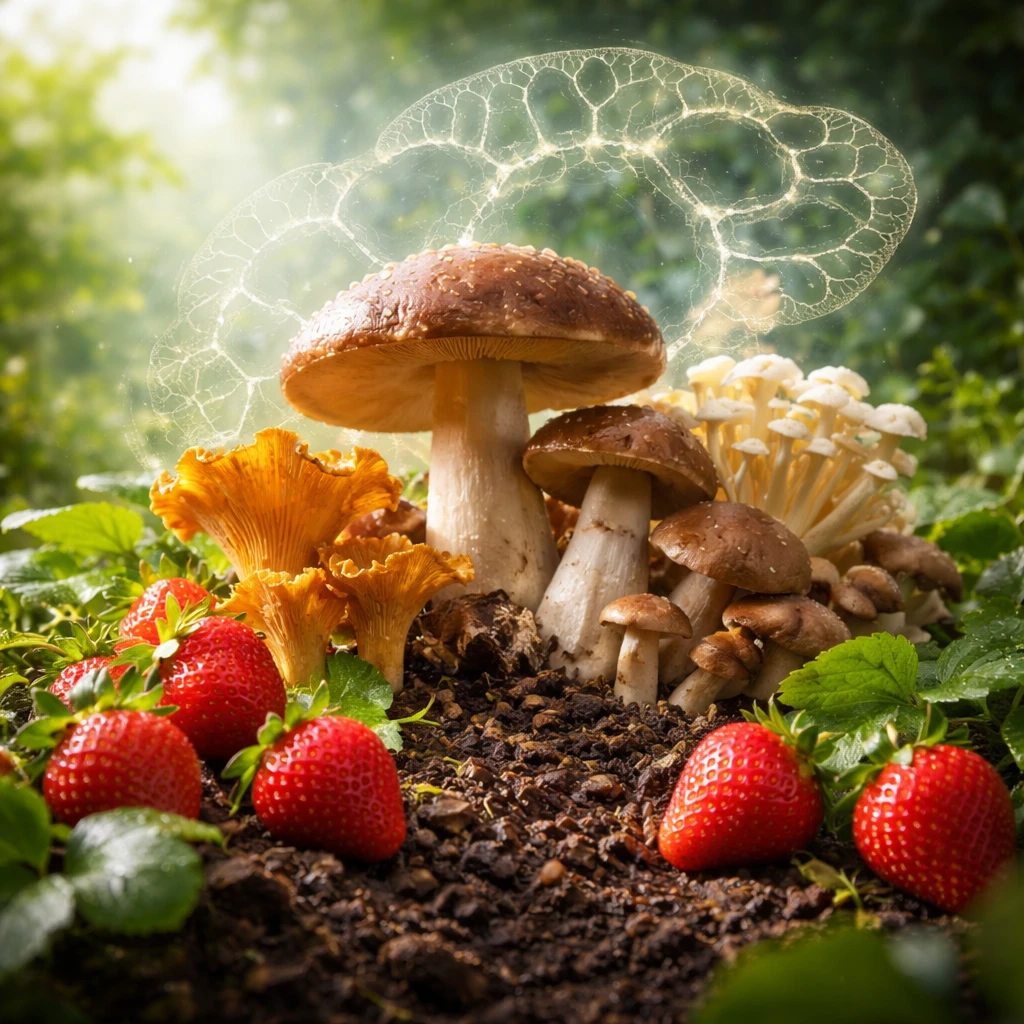

In a landscape where environmental sustainability is becoming paramount, a growing number of entrepreneurs and innovators are looking directly to nature for effective, eco-friendly solutions. This trend is characterized by harnessing natural processes and organisms, moving away from synthetic approaches that often conflict with the environment's balance.
One notable development includes the utilization of amoeba-based fungicides. These biological agents offer an alternative to conventional chemical fungicides, potentially reducing ecological disruption while preserving agricultural productivity. Amoebas, as single-celled organisms with unique biological properties, serve as the foundation for fungicides that can target harmful pathogens effectively without introducing synthetic chemicals that might harm non-target species or lead to resistance issues.
In addition to microbiological agents, the versatility of mushrooms is gaining attention. These fungi have exhibited capabilities that extend beyond their conventional roles in ecosystems. Some entrepreneurs are exploring mushrooms for applications ranging from sustainable building materials to biodegradable packaging solutions, capitalizing on the fungi's natural strength and rapid growth cycles. This approach aligns with the increasing demand for renewable materials that reduce reliance on plastics and energy-intensive manufacturing processes.
Agricultural innovation also benefits from nature-inspired practices. The development of sweeter strawberries, for example, showcases how understanding and leveraging biological traits can lead to improved crop yields and consumer satisfaction. Through selective breeding or optimized cultivation conditions that mimic natural growth factors, growers can produce fruits with enhanced flavor profiles without resorting to artificial additives or genetic modification techniques that often face regulatory and consumer scrutiny.
Collectively, these examples underscore a broader movement among innovators to devise solutions that work in concert with natural mechanisms instead of opposing them. By doing so, they aim to foster sustainability, reduce environmental footprints, and provide viable alternatives to existing industrial practices that have proven harmful or unsustainable over the long term.
While specific details on the methodologies and commercial scalability of these innovations remain limited, the overarching principle emphasizes cooperation with natural systems. This paradigm shift suggests a future where technological progress harmonizes with ecological health rather than compromising it.
Despite the promise, these approaches may face challenges such as ensuring efficacy, managing production costs, and navigating market adoption hurdles. Additionally, the ecological impacts, although anticipated to be positive, require thorough evaluation to prevent unintended consequences.
Nonetheless, the trajectory points towards a growing integration of nature-based principles in addressing modern issues. Whether through biological pest control, sustainable material development, or enhanced agricultural practices, these innovations reflect a nuanced understanding of how leveraging the power of nature can catalyze meaningful change.
As environmental concerns continue to drive policy and consumer preferences, such nature-aligned strategies may gain increasing prominence, influencing sectors ranging from agriculture and materials science to biotechnology and beyond.