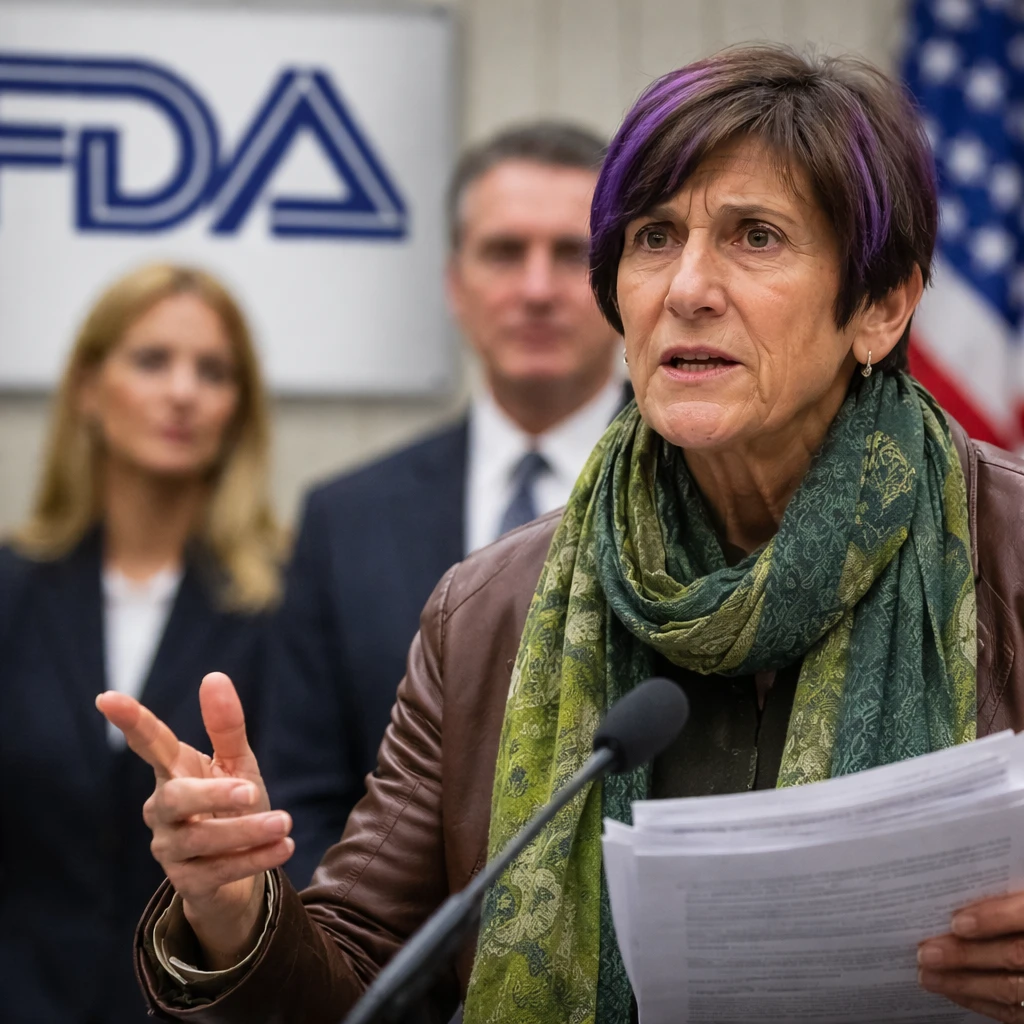

The Food and Drug Administration's recently introduced priority voucher program, which promises significantly reduced review periods for certain drugs deemed critical to national interests, is facing increased scrutiny from a Massachusetts Democratic congressman. In a letter sent on Tuesday, Representative Jake Auchincloss raised multiple concerns about the program’s administration, specifically questioning whether high-ranking FDA officials participating in the initiative are complying with established federal ethics standards and whether the agency has the statutory authority to execute the program absent explicit congressional approval.
The FDA plans to conduct an employee town hall meeting Tuesday afternoon regarding the Commissioner’s National Priority Voucher program, according to three anonymous agency staffers, signaling possible internal discussions about the program amid growing controversy.
Under this priority voucher initiative, pharmaceutical companies can receive expedited review windows shortened to one or two months for new drug approvals, a component central to FDA Commissioner Marty Makary’s agenda to streamline regulatory processes and challenge longstanding procedural assumptions within the agency.
Despite its potential to accelerate patient access to important therapeutics, the program has sparked disputes both externally and within FDA ranks. Previous reporting indicated that several senior agency officials have refrained from endorsing drug approvals processed through this expedited system.
Representative Auchincloss, a health subcommittee member in the House, emphasized the necessity for transparency in administering the voucher program, noting that drug approvals have been predominantly decided by the agency’s political leadership in a manner described as unprecedented. He highlighted concerns about the lack of publicly available financial disclosure documents for eight senior FDA officials responsible for voting on which drugs receive these priority vouchers.
The composition of this decision-making group, largely affiliated with Health Secretary Robert F. Kennedy Jr., includes Deputy FDA Commissioner Dr. Sara Brenner, Dr. Vinay Prasad who oversees vaccines, and Dr. Tracy Beth Hoeg, director of the FDA's Center for Drug Evaluation and Research. The disclosure forms collected annually by the Office of Government Ethics are crucial in documenting investments, external income, and related financial details for senior government figures and their spouses, serving to identify and prevent potential conflicts of interest at the FDA, an agency regulating multibillion-dollar pharmaceutical companies.
Efforts to obtain comment from the Department of Health and Human Services on these concerns were unsuccessful at the time of reporting. Auchincloss's letter also pointed out that the FDA’s legal department was neither consulted nor provided findings to corroborate the agency's assertion that it was authorized to institute the priority voucher program without legislative endorsement from Congress, which typically governs such frameworks through lawmaking.
Notably, Auchincloss's correspondence mentions that the FDA failed to respond to two previous information requests he sent last year and demands a clear affirmation or denial of his findings in the new letter.
Additional scrutiny of the voucher program has surfaced in November, when Senator Bernie Sanders and Representative Frank Pallone issued a letter posing 15 detailed inquiries to the FDA about the initiative. Pallone, as the leading Democrat on the House Energy and Commerce Committee overseeing health policies, did not receive a response according to committee personnel.
The ongoing challenges surrounding the FDA’s expedited drug review program underscore tensions between regulatory innovation, administrative governance, and adherence to ethical and legal standards within public health agencies.