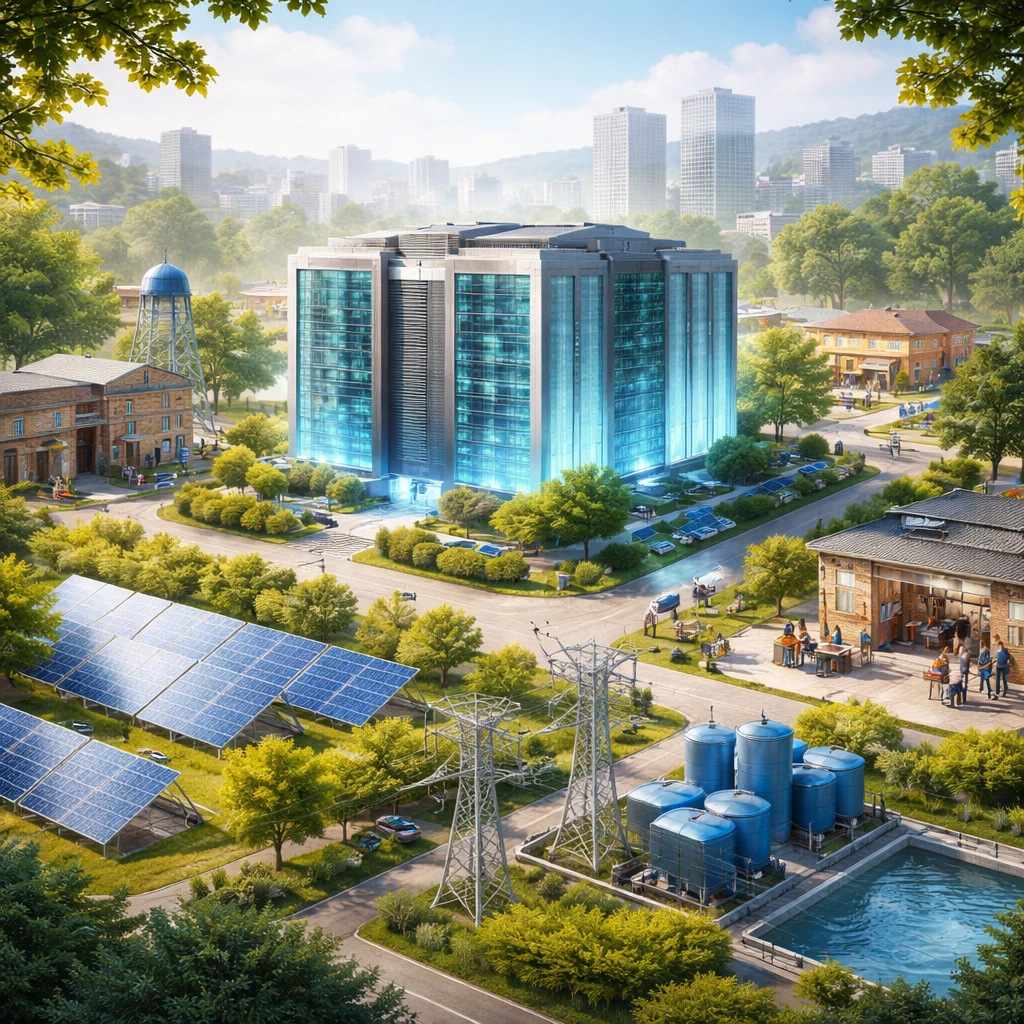

Amid the rapid expansion of artificial intelligence (AI) infrastructure throughout the United States, Microsoft has outlined a strategic plan aimed at ensuring its new data centers do not adversely affect the communities in which they are located. Central to this initiative is the commitment to cover increased electricity costs stemming from data center operations, including investment in necessary electrical grid upgrades, so local residential customers are shielded from higher utility bills.
The company’s announcement addresses growing concerns linked to the tech sector’s expansive buildout of AI data centers, which requires substantial amounts of electricity. While the development is hailed by technology executives and policymakers alike as critical to economic vitality and national security, local communities have expressed apprehension regarding escalated energy prices and environmental impacts.
According to a recent Bloomberg News analysis, areas in proximity to data centers have experienced electricity price increases reaching up to 267% over a five-year period. This sharp rise has generated considerable resistance from residents who feel that they have not directly benefitted from the AI boom and worry about potential job disruptions attributed to advances in AI technology.
In response, Microsoft President Brad Smith emphasized the company’s intention to act as a responsible neighbor by ensuring the presence of data centers does not translate into increased electricity prices for local consumers. “I think the bare minimum, as we look to the future, is to give these communities around the country the confidence that when a data center comes, its presence will not raise their electricity prices,” Smith stated during an event in Washington, D.C.
Beyond financial contributions toward electricity consumption and infrastructure enhancement, Microsoft is also pledging investments in local water systems, educational facilities including libraries and schools, and initiatives designed to provide job and AI skills training. These efforts seek to foster broader community benefits tied to the AI infrastructure expansion.
The company has committed to a program of compensating for water usage associated with its data centers, including replenishment measures. For instance, in Arizona, Microsoft has collaborated with municipal authorities to identify and repair water system leaks, thereby improving the overall availability of fresh water for the community.
Microsoft further indicated that it will forego requests for property tax reductions or abatements in areas designated for data center construction, reinforcing its position as a constructive community partner.
In terms of workforce development, the company plans to offer training aimed at equipping construction personnel with skills necessary to build data centers, as well as preparing individuals for ongoing data center operations. Given that data centers generally require fewer staff once operational, Microsoft aims to maximize community employment opportunities during the build phase and by providing AI-focused education through partnerships with local schools, libraries, non-profits, and businesses.
The announcement coincides with recent government initiatives addressing concerns over rising energy costs. Notably, former President Donald Trump signaled plans to collaborate with major technology companies to limit the burden of increased utility bills on American consumers, with Microsoft’s announcement anticipated as a first step in this effort.
Smith framed the AI data center buildout as a pivotal chapter in America's ongoing infrastructure development. He remarked, “Decade after decade, century after century, infrastructure has always raised new questions, new concerns, new controversies, and yet throughout it all, it has been vital to the growth and prosperity of our nation.”
This philosophy underlies Microsoft’s comprehensive approach, which aims to harmonize technological advancement with community welfare and environmental responsibility.
In summary, Microsoft’s commitment includes paying increased energy costs that data centers incur, funding necessary grid enhancements, investing in local water conservation and infrastructure improvements, avoiding property tax incentives, and facilitating workforce and AI skills development within affected communities.