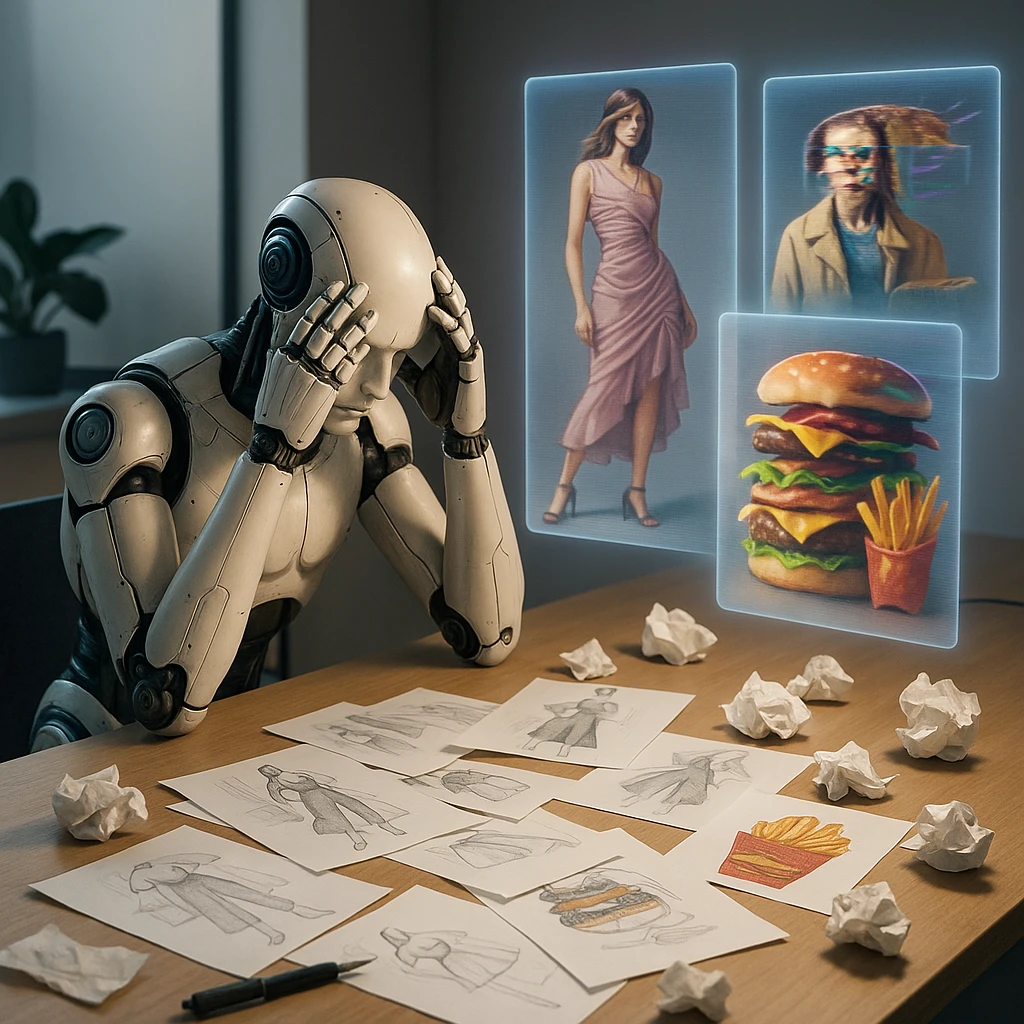

Throughout 2025, artificial intelligence (AI) solidified its place as a pivotal component of marketing campaigns among some of the world's most recognized brands. Chief marketing officers embraced AI's potential to streamline ad buying and placement while experimenting with AI-driven creative content. Yet, this year also exposed the pitfalls of over-reliance on AI, as several campaigns attracted significant criticism from consumers and industry observers alike.
A November survey conducted by the brand-tracking platform Tracksuit polled over 6,000 U.S. consumers, revealing a prevailing skepticism toward AI-created advertising. According to the data, 39% of respondents held negative views on AI-generated ads, 36% were neutral, and only 18% expressed positivity toward brands utilizing AI for ad content. This highlights a cautious public attitude toward AI's role in creative marketing.
Matt Barash, Chief Commercial Officer at the advertising technology company Nova, advised that while AI can be effective in media buying and ad placement, brands should approach automating creative content generation with caution. He emphasized that AI tends to approximate human emotions rather than genuinely inventing original stories, which can inadvertently lead to unfavorable publicity.
McDonald's Netherlands' Holiday Advert Landed Awry
In a notable incident, McDonald's Netherlands released a holiday advertisement generated with the aid of AI that quickly met with disapproval. Intended as a humorous take on seasonal mishaps, the 45-second ad showcased a rapid montage of scenes such as kitchen accidents, injuries at an ice rink, and Santa Claus experiencing a traffic jam with his sleigh. The message suggested McDonald's outlets could provide refuge amid holiday chaos, encapsulated by the tagline: "Hide out in McDonald's 'til January's here."
However, social media users criticized the advertisement, labeling it "creepy" and accusing the brand of adopting a negative, even cynical, holiday message. In response to the backlash, McDonald's initially disabled comments on the YouTube video but eventually chose to remove the ad altogether.
A spokesperson for McDonald's Netherlands clarified that while the advertisement was conceived to reflect the stressful aspects of the holiday period, the company respects that many of its patrons cherish this season as the "most wonderful time of the year." The brand reaffirmed its commitment to delivering experiences that offer "Good Times and Good Food for everyone."
Coca-Cola's Holiday AI Trucks Spark Confusion
Coca-Cola faced a similar tumult with its AI-generated holiday campaigns. After last year's rendition was critiqued as "dystopian" and lacking in warmth, the company proceeded to release three AI-based holiday advertisements in 2025. One in particular — a new version of the iconic "Holidays are Coming" commercial — drew attention for its inconsistencies.
The trucks featured in the ad showed clear improvements, such as rotating wheels instead of sliding across the screen, yet the number of trucks appeared to fluctuate throughout the spot, creating visual confusion. Dino Burbidge, an independent innovation specialist, contributed a detailed graphic to help observers track these discrepancies.
PJ Pereira, cofounder of Silverside AI, which produced the ad, defended Coca-Cola's AI usage by highlighting the company's progressive attitude. Pereira noted that Coca-Cola chose to embrace AI proactively instead of waiting for perfection, focusing on creative application. Consumer testing supported the ad's positive reception, with System1 awarding the campaign a top growth-potential rating of 5.9 stars, and DAIVID reporting above-average attention and brand recall metrics.
Meta's Unintended AI Creative Swap Stuns Advertisers
In an unexpected twist, apparel brand True Classic, which primarily targets men between 30 and 45 years old through Facebook and Instagram ads, discovered that Meta's advertising platform had replaced a popular ad featuring a millennial man with AI-generated imagery of an elderly woman in an armchair. This substitution was baffling to the brand's marketing lead and stirred considerable online discussion.
Insiders revealed that Meta's AI-driven Advantage+ ad products could auto-generate creatives for advertisers. Meta stated that when the full image generation feature is used, advertisers have opportunities to review AI images before running campaigns. Nevertheless, several advertisers reported that toggles for AI generation were automatically turned on by Meta even after they had been switched off, causing unintentional spending on AI-created ads.
H&M's Digital Twins Stir Industry Debate
Fast-fashion retailer H&M introduced an ambitious plan to create "digital twins"—AI-generated models of 30 individuals that the company could deploy across social media and advertising content. The initiative aimed to innovate by substituting traditional photoshoots with AI designs while ensuring the original models maintained rights and consenting authority over their digital counterparts.
The concept divided opinion. While H&M underscored exploring AI’s creative potential responsibly, notable figures expressed concern. Fashion influencer Morgan Riddle criticized the strategy as "shameful," and Sara Ziff, founder of the Model Alliance, highlighted significant issues regarding consent, compensation, and the threat to job security among fashion industry creatives, including makeup artists and hairstylists.
H&M's chief creative officer, Jörgen Andersson, acknowledged public division on the matter, recognizing the balance between innovation and ethical considerations. In correspondence for this article, a spokesperson reiterated the company's commitment to learning and evolving its approach to AI thoughtfully.
Vogue and Guess AI-Generated Models Face Public Backlash
The use of AI in fashion advertising extended beyond H&M. The August 2025 issue of Vogue featured ads from Guess with AI-created models named "Vivienne" and "Anastasia," developed by the London-based AI marketing agency Seraphinne Vallora. Each image included a small disclosure acknowledging their AI origin.
The campaign received criticism for promoting unrealistic beauty ideals and sparking fears over job displacement in creative roles. Some social media users vowed to cancel their Vogue subscriptions in protest. Condé Nast, Vogue's publisher, clarified that AI-generated models had not appeared editorially within the magazine's content prior to this advertisement placement.
Seraphinne Vallora's cofounders, in an interview with "Good Morning America," stated their intention was to complement the modeling industry, not to supplant human models.
These high-profile examples underscore the ongoing challenges and complexities brands face when integrating AI into advertising. While AI offers innovative tools for content creation and targeting, public reception remains mixed, and ethical considerations about authenticity, consent, and employment impacts persist. Experts urge brands to balance AI's efficiencies with thoughtful creative oversight to maintain trust and engagement with consumers.