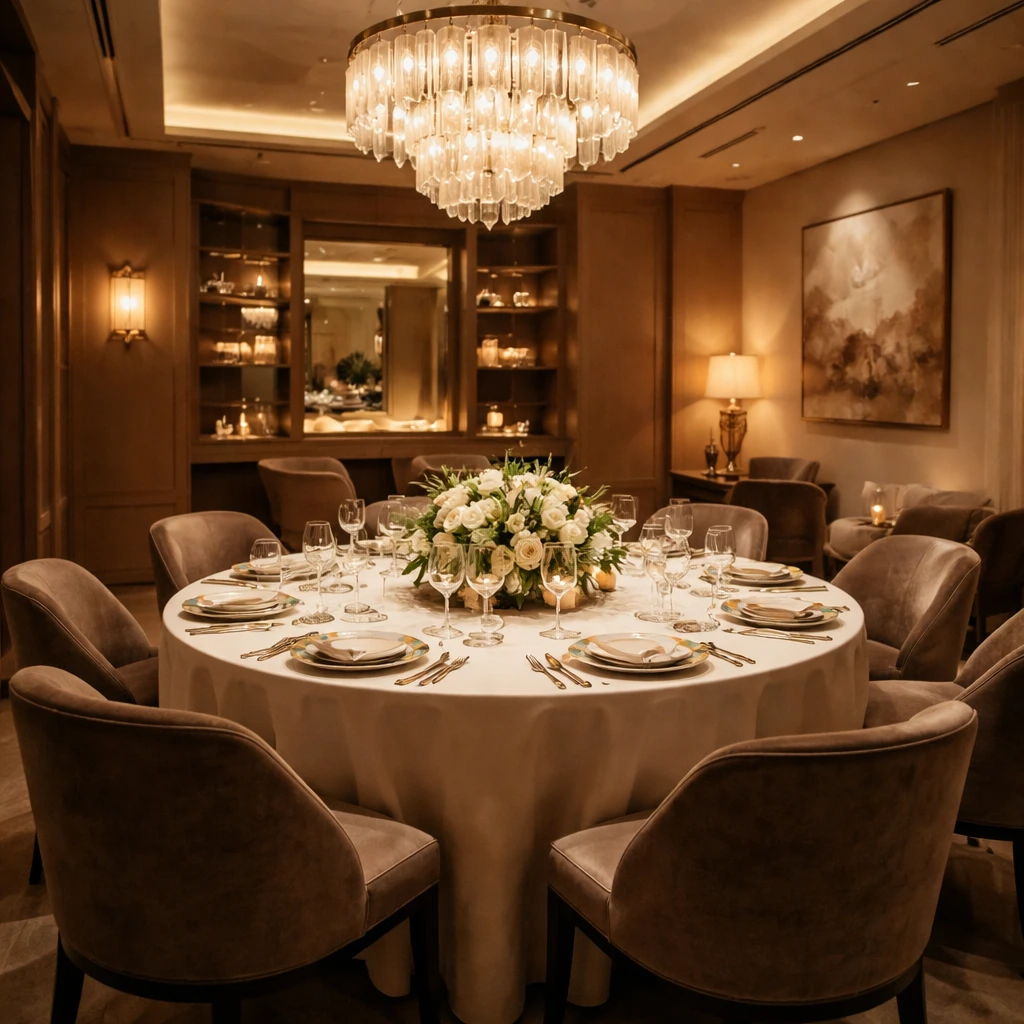

Within the sphere of ultra-exclusive residential developments catering to the ultra-wealthy, conventional luxuries such as waterfront pools, private spas featuring saunas, exclusive golf courses, and round-the-clock butler services have long defined the standard. However, among the high-end offerings emerging in these properties, the addition of residents-only restaurants is rapidly gaining recognition as the definitive amenity that can distinguish one luxury building from another.
A prime example is The Residences at Six Fisher Island, a forthcoming development slated to open in 2026 within what is considered the most affluent ZIP code in the United States. Units in this building, priced at $15 million and above, provide residents with a range of opulent amenities, yet the developers place significant emphasis on their private restaurant, believing it will be the key factor in attracting discerning buyers.
The impetus behind this shift is rooted in lifestyle changes post-pandemic; more individuals now perceive their homes as destinations offering comprehensive experiences rather than merely places to rest. Consequently, developers face heightened competition to create amenities that offer exclusivity and convenience beyond the expected lap pools and fitness centers. While elements such as saunas and dog-washing stations continue to serve as attention-grabbers, private dining experiences accessible only to residents have emerged as powerful differentiators.
Looking to established luxury properties, 432 Park Avenue in New York City offers residents access to a restaurant featuring cuisine curated by Michelin-starred chef Shaun Hergatt. This arrangement enables residents to enjoy high-end dining in a private setting, free from the intrusions typical in public restaurants, such as stray onlookers or social media distractions. In Florida’s Armani Residences, residents benefit from exclusive access to an oceanfront dining venue, coupled with the option for in-residence meal delivery, underscoring the premium on convenience and privacy.
Though restaurants integrated into residential buildings are not unprecedented, there is a notable uptick in demand for luxury dining options as core amenities. A spokesperson from FirstService Residential, a property management firm overseeing 50 to 100 buildings with food and beverage services and managing thousands nationally, disclosed to Business Insider that food and beverage expenditures across their portfolio have risen by 30% to 40%. This growth signals a substantial shift toward creating restaurant-level dining experiences within luxury residences.
Stephen Starr, a restaurateur engaged as the culinary curator for The Residences at Six Fisher Island, endorses this development trend. He articulates that such dining venues can influence potential buyers' choices by providing an effortless and family-friendly environment where residents can enjoy meals ranging from steak to simple fare like burgers and omelets. According to Starr, this amenity can justify a premium, making residents more willing to invest additional funds to secure residency.
Convenience and seclusion remain definitive drivers for the popularity of residents-only restaurants. Eric Fordin, senior vice president at The Related Group, the developer behind Six Fisher Island, emphasizes that affluent residents value the ability to access freshly prepared food on short notice, especially when arriving via private transport late at night and without prior provisions. FirstService Residential’s data points to a more than doubling in developer requests for food and beverage consultation for upcoming projects in 2025, further highlighting investor interest in this niche.
Landy Labadie, vice president of hospitality and new development at FirstService Residential, elaborates on the importance of privacy and security in these amenities. He explains that residents-only venues are intentionally exclusive to maintain intimacy and prevent public access, much like private gyms in luxury buildings. Residents prefer these privileges remain restricted to members, circumventing casual public usage and preserving the sense of exclusivity.
Financially, unlike public restaurants reliant on broad customer bases, these private dining establishments operate within a capped traffic model, limited by the number of residents—in the case of Six Fisher Island, approximately 50 households. Sustainability does not hinge on volume but is supported by residents themselves through homeowner association (HOA) arrangements that fund the amenity.
Stephen Starr notes that this model alleviates typical risks associated with running standalone restaurants. Because the operation is subsidized by residents, the financial burden and uncertainties of patronage levels do not weigh on the restaurant management. The HOA’s agency permits residents collective control over aspects such as menu offerings, operating hours, and service models, tailoring the experience to their preferences and budgets.
For example, Labadie details how pricing decisions are balanced against HOA fees. Should residents opt for premium food pricing, monthly fees can remain stable. Alternatively, more affordable menu prices may come with increased HOA charges to cover costs. This direct connection between choices and costs provides transparency and flexibility for residents managing their overall expenditure.
The overall expenses covered by residents include equipment, labor, service, as well as food and beverage costs. Labadie underscores that many individuals underestimate the financial complexity underlying such amenities. Notably, even residents who seldom use the private restaurant contribute financially, analogous to paying for access to other building features such as gyms or pools that might go underutilized. From the developer’s standpoint, the presence of these amenities enhances property appeal and thus sales potential.
Fordin concisely encapsulates the viewpoint, noting that such a private dining option, though nominally a restaurant, fundamentally functions as an amenity designed to elevate the living experience within the building.