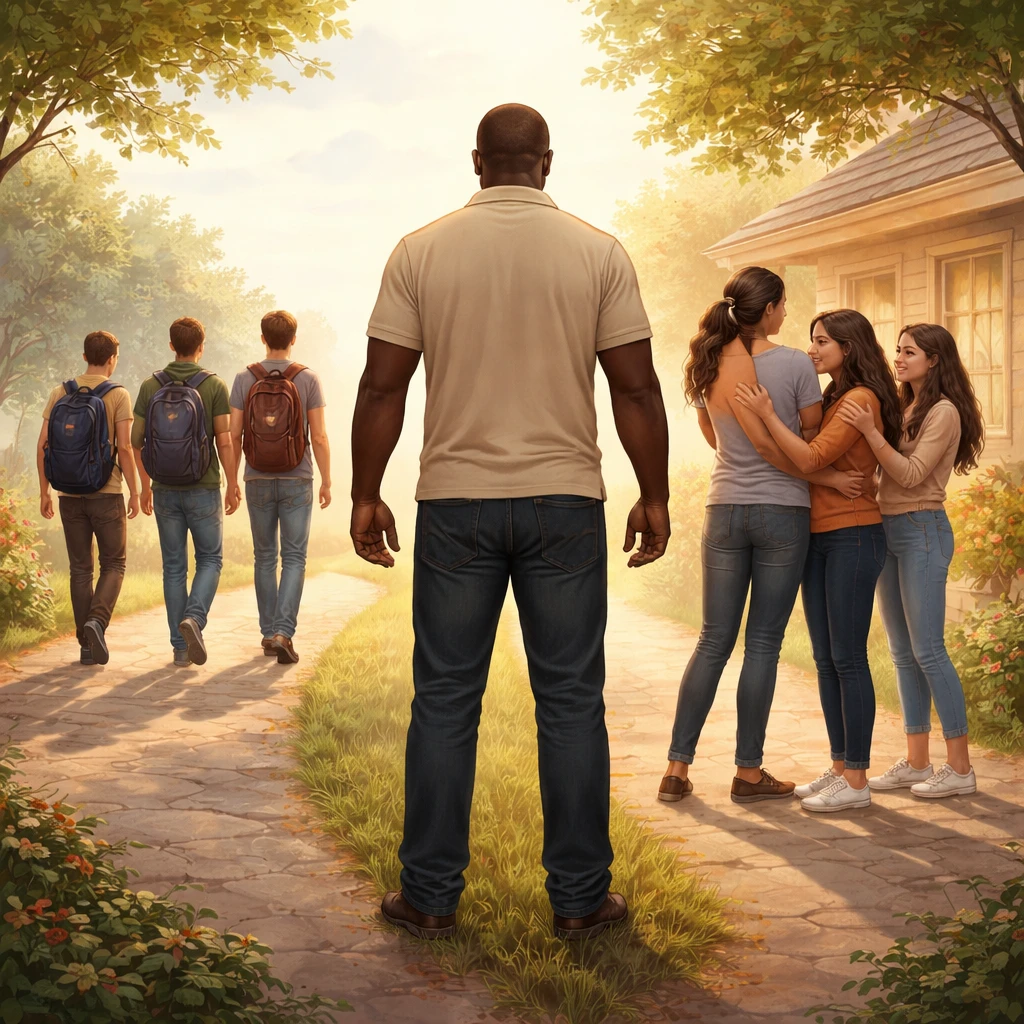
Shaquille O'Neal, a celebrated NBA Hall of Famer and successful entrepreneur, has articulated clear differences in how he raises his sons versus his daughters, revealing a parenting philosophy that sets distinct expectations based on gender within his family of six children. His strategy reflects a deliberate differentiation aimed at preparing each child for adulthood while recognizing their unique roles and needs within the family structure.
In a 2022 discussion featured on the "PBD Podcast" hosted by Patrick Bet-David, founder of Valuetainment Media, O'Neal elaborated on the divergent paths he envisions for his children. He directly conveyed that for his three sons, the expectation is firm independence once they reach adulthood. "I have two different conversations. I have three daughters and I have three sons," O'Neal stated. "Three sons—when you're 18, get out." This directive represents a push toward self-reliance, grounded in educational attainment and personal responsibility. He specified prerequisites for this independence, emphasizing academic achievement: "While you're out, better get one degree, two degrees, before you come messing with me." Financial assistance and support are contingent upon these accomplishments, underscoring his stance against unconditional handouts.
This approach is deeply personal. O'Neal reflected on his own financial challenges early in his career, noting a day when he exhausted a million dollars in spending. His banker, aiming to impart financial wisdom, recommended he read "The Dummies Guide to Starting Your Own Business." Drawing from this formative moment, O'Neal made sure that when his sons turned 18, they each received the same instructive book. "I gave them all the same book and I said, ‘Here you go, you're a man now. Make a decision,'" he recalled. This gesture symbolizes an invitation for them to begin charting their independent course, equipped with foundational knowledge to navigate business and self-sufficiency.
Conversely, O'Neal’s outlook toward his daughters incorporates a considerably more nurturing and flexible dynamic. He expressed affection and a willingness to allow his daughters more freedom and extended support within the family home. "The ladies are a little different," he explained. "Hey baby, you can stay as long as you want. I love you, sweetheart." This contrast signals a softer parental approach designed to provide his daughters with greater familial grace including time and space for development within a secure environment.
Despite these differing expectations, O'Neal emphasized that his dual-track parenting is not a matter of favoritism but rather a response to his belief in tailoring preparation for life according to each child's role and needs. He candidly expressed that he hopes none of his children follow his footsteps as a professional athlete. "We don't need another basketball player. Your daddy's crazy," he remarked humorously. Rather, he aims for his offspring to aspire to leadership and entrepreneurial accomplishments: "I need a hedge fund operator. I need a CEO."
O'Neal revisited the significance of the business guide that influenced him in an interview with The Guardian, reaffirming its impact on his trajectory as an entrepreneur. He praised sections of the book, particularly highlighting joint ventureships and the value of simplifying complex challenges into manageable steps. "Because I'm a true believer in things that are hard, you break them down to the simplest form," he stated.
This practical, stripped-down philosophy is evident both in how O'Neal operates his extensive business endeavors and in how he is shaping his children’s capacities for success. His insistence on resilience, struggle, and earning independence for his sons contrasts with the longer runway and softer landing he affords his daughters. The differential approach to fatherhood communicates a nuanced blend of high expectations and protective support aligned with his personal beliefs and familial dynamics.
O'Neal’s publicly shared parenting model underscores an individual balancing act between fostering ambition and extending family support, demonstrating the complexity in preparing children for adult responsibilities while adapting to their unique developmental and personal circumstances.
In a 2022 discussion featured on the "PBD Podcast" hosted by Patrick Bet-David, founder of Valuetainment Media, O'Neal elaborated on the divergent paths he envisions for his children. He directly conveyed that for his three sons, the expectation is firm independence once they reach adulthood. "I have two different conversations. I have three daughters and I have three sons," O'Neal stated. "Three sons—when you're 18, get out." This directive represents a push toward self-reliance, grounded in educational attainment and personal responsibility. He specified prerequisites for this independence, emphasizing academic achievement: "While you're out, better get one degree, two degrees, before you come messing with me." Financial assistance and support are contingent upon these accomplishments, underscoring his stance against unconditional handouts.
This approach is deeply personal. O'Neal reflected on his own financial challenges early in his career, noting a day when he exhausted a million dollars in spending. His banker, aiming to impart financial wisdom, recommended he read "The Dummies Guide to Starting Your Own Business." Drawing from this formative moment, O'Neal made sure that when his sons turned 18, they each received the same instructive book. "I gave them all the same book and I said, ‘Here you go, you're a man now. Make a decision,'" he recalled. This gesture symbolizes an invitation for them to begin charting their independent course, equipped with foundational knowledge to navigate business and self-sufficiency.
Conversely, O'Neal’s outlook toward his daughters incorporates a considerably more nurturing and flexible dynamic. He expressed affection and a willingness to allow his daughters more freedom and extended support within the family home. "The ladies are a little different," he explained. "Hey baby, you can stay as long as you want. I love you, sweetheart." This contrast signals a softer parental approach designed to provide his daughters with greater familial grace including time and space for development within a secure environment.
Despite these differing expectations, O'Neal emphasized that his dual-track parenting is not a matter of favoritism but rather a response to his belief in tailoring preparation for life according to each child's role and needs. He candidly expressed that he hopes none of his children follow his footsteps as a professional athlete. "We don't need another basketball player. Your daddy's crazy," he remarked humorously. Rather, he aims for his offspring to aspire to leadership and entrepreneurial accomplishments: "I need a hedge fund operator. I need a CEO."
O'Neal revisited the significance of the business guide that influenced him in an interview with The Guardian, reaffirming its impact on his trajectory as an entrepreneur. He praised sections of the book, particularly highlighting joint ventureships and the value of simplifying complex challenges into manageable steps. "Because I'm a true believer in things that are hard, you break them down to the simplest form," he stated.
This practical, stripped-down philosophy is evident both in how O'Neal operates his extensive business endeavors and in how he is shaping his children’s capacities for success. His insistence on resilience, struggle, and earning independence for his sons contrasts with the longer runway and softer landing he affords his daughters. The differential approach to fatherhood communicates a nuanced blend of high expectations and protective support aligned with his personal beliefs and familial dynamics.
O'Neal’s publicly shared parenting model underscores an individual balancing act between fostering ambition and extending family support, demonstrating the complexity in preparing children for adult responsibilities while adapting to their unique developmental and personal circumstances.