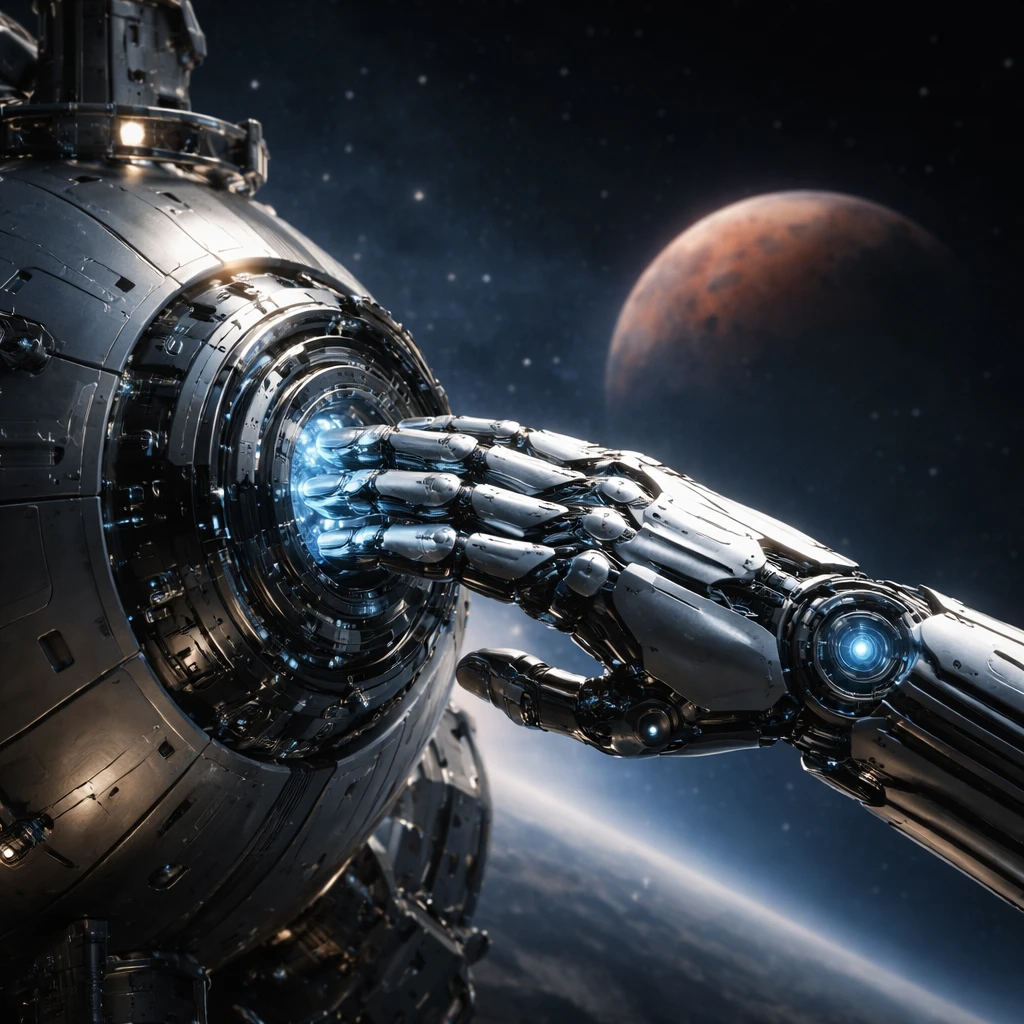

On Monday, SpaceX publicly declared its acquisition of the artificial intelligence firm xAI, marking a significant merger between two ventures led by Elon Musk. This integration combines the rapidly evolving domain of AI with SpaceX’s foundational role in space transportation and exploration.
The acquisition underscores the substantial funding necessary for xAI to keep pace in the fast-moving AI industry, where innovation speed and resource allocation are critical to maintaining competitive advantage. While specific financial details of the transaction were not disclosed, the consolidation suggests strategic alignment between the companies, potentially reflecting the strategic importance of AI technology for SpaceX’s long-term objectives.
xAI’s incorporation into SpaceX signals that AI developments are regarded as increasingly vital elements within the context of future space missions. This is consistent with the notion that artificial intelligence will serve critical functions in space exploration, from autonomous operations to data analysis and beyond.
Meanwhile, SpaceX itself is engaged in some of the most ambitious and capital-intensive goals in aerospace. Foremost among these is the plan to eventually transport humans to Mars and to create a sustainable and permanent settlement on the planet, endeavors requiring substantial technological innovation and considerable financial investments.
The acquisition comes at a time when both AI and space exploration are highly demanding fields, characterized by rapid technological advancements and significant funding requirements. By merging the cutting-edge AI expertise of xAI with SpaceX’s aerospace capabilities, the combined entity may facilitate more integrated technological progress aligned with Elon Musk’s vision.
As this situation develops, further updates will likely provide additional insights into how the acquisition will influence both companies’ trajectories and their respective roles in advancing technological frontiers.