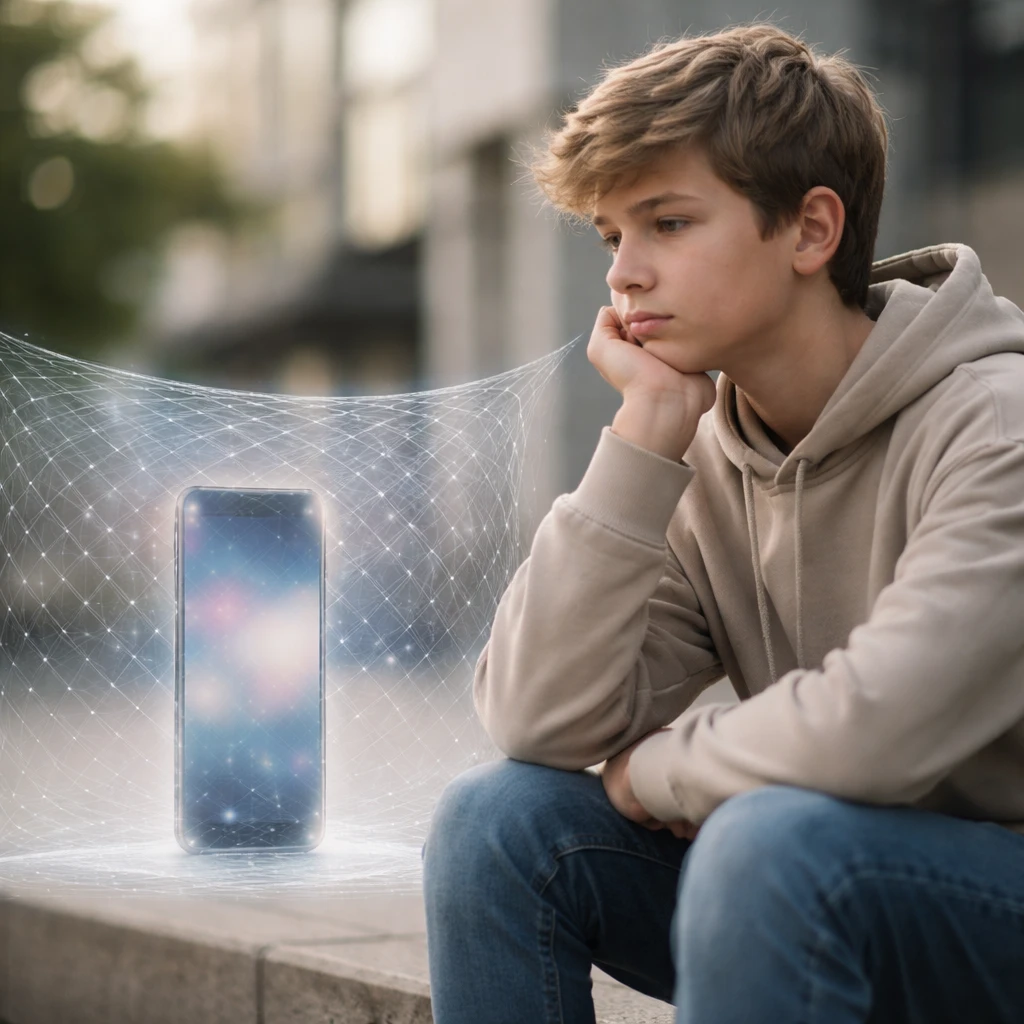

In a groundbreaking move to safeguard children from the potentially hazardous landscape of social media, Spain has unveiled plans to prohibit individuals under the age of 16 from accessing these platforms. This legislative effort is designed not only to restrict underage use but also to enforce robust age verification technologies by social media companies. Spanish Prime Minister Pedro Se1nchez articulated the governmentb4s motivation at the World Governments Summit in Dubai, emphasizing the unique vulnerability of young people confronted with a digital environment rife with addictive elements, abusive content, pornography, manipulation, and violence.
Prime Minister Se1nchez characterized the current state of digital platforms as a "digital Wild West," underscoring the urgent necessity of comprehensive protections for minors. He conveyed the administrationb4s firm commitment to no longer allowing children to navigate this treacherous space without appropriate safeguards. The Spanish governmentb4s agenda extends beyond access restrictions; it will also introduce legislation that imposes criminal liability on social media executives who neglect to remove illegal or hateful content from their platforms.
This proposed legal framework includes explicit sanctions targeting both individuals and platforms engaged in the dissemination or algorithmic enhancement of unlawful material. The government intends to criminalize the "algorithmic manipulation and amplification of illegal content," thus holding accountable those who facilitate the spread of hate and divisiveness through automated means. Se1nchez declared, "Spreading hate must come at a cost," signaling a zero-tolerance stance towards digital hate speech and related offenses.
Legislative processes to enact these measures are set to commence imminently, with formal proposals slated for introduction in the coming week. Moreover, Spain plans to develop a novel tool dubbed the "hate and polarization footprint," a system designed to meticulously track and quantify the extent to which digital platforms contribute to social division and the amplification of hateful content.
The movement to regulate social media consumption among minors aligns with international trends. In December, Australia became the first nation to implement a comprehensive ban on social media use for those under 16, restricting access to ten major platforms including Facebook, TikTok, Instagram, Snapchat, and X. Similar initiatives are under consideration in the United Kingdom, while France and Denmark have recently declared intentions to prohibit social media access for children under 15.
French President Emmanuel Macron explicitly advocated for an expedited legislative process to ensure the enforcement of such a ban prior to the commencement of the new academic year in September, illustrating the urgency attributed to this issue by European policymakers.
Spain is further collaborating with several other European countries, though unnamed, all of whom are committed to instituting more stringent, swift, and effective regulatory frameworks governing social media operations. Prime Minister Se1nchez revealed that this group is preparing for an initial meeting shortly to align enforcement strategies across national borders, recognizing the global nature of digital challenges. "This is a battle that far exceeds the boundaries of any country," he remarked, highlighting the necessity for cross-national cooperation.
These comprehensive strategies demonstrate Spain's proactive approach to mitigating the complex risks posed by social media platforms to young populations, incorporating regulatory, technological, and legal mechanisms to foster a safer digital environment. As these policies unfold, they will significantly shape both the operational responsibilities of social media companies and the accessibility of digital services to minors within Spain and potentially inspire similar initiatives internationally.