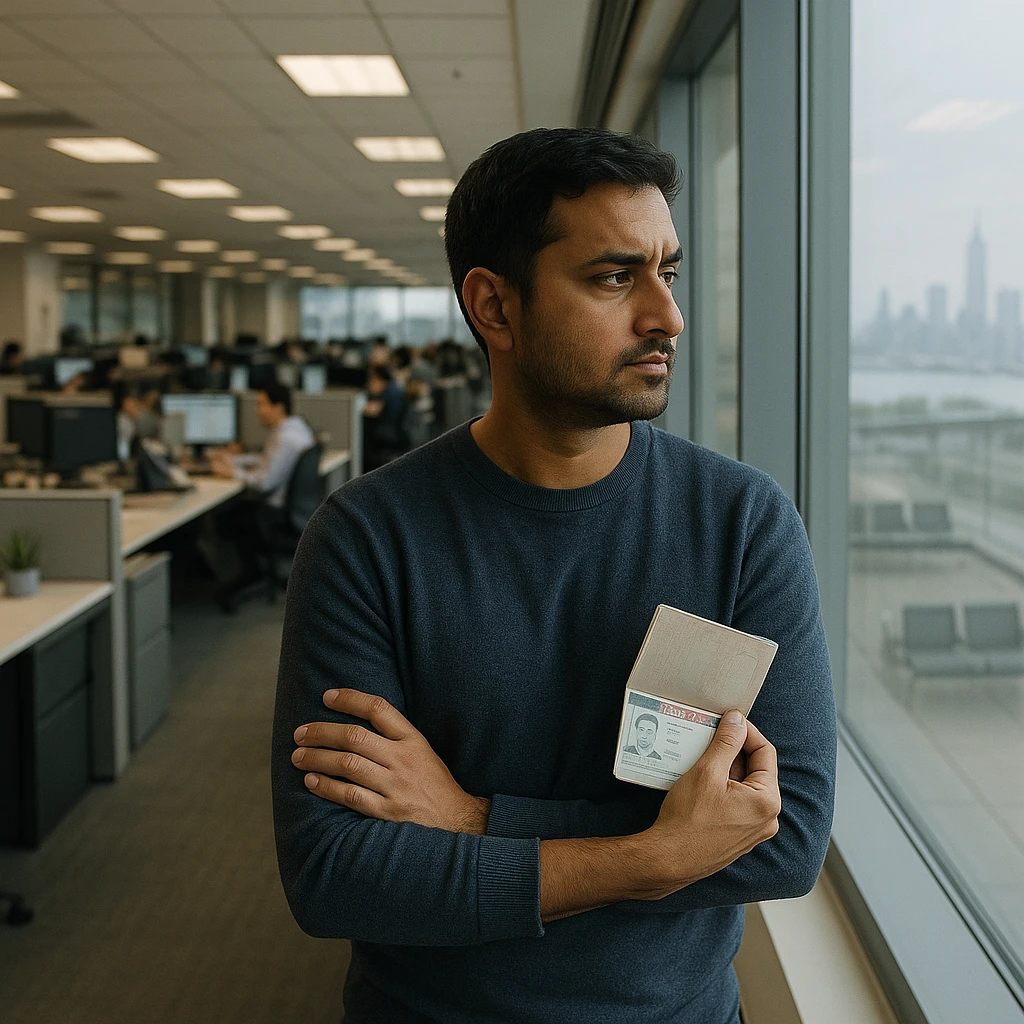

In light of recent procedural changes and resulting delays in visa processing, tech behemoths Apple and Google have advised workers on H-1B visas to refrain from leaving the United States unless necessary. This precautionary guidance arises due to notably prolonged wait times for visa interviews at U.S. embassies and consulates worldwide, often extending to several months. Companies fear their employees could become stranded abroad and unable to return promptly to their jobs.
The Department of Homeland Security (DHS) recently implemented new visa screening requirements that mandate applicants to provide detailed social media histories encompassing up to five years. This measure has been criticized for intruding on personal privacy and free speech. Consequently, consular staff have had to extend their review processes, contributing to the appointment backlogs that now impact foreign workers seeking visa renewals or reentry permissions.
Apple and Google, both heavily reliant on a large skilled immigrant workforce with combined employment figures exceeding 300,000, became concerned the delays may interfere with business operations and individual career continuity. Internal legal teams, including firms such as Berry Appleman & Leiden and Fragomen, communicated to employees the heightened risks connected with international travel under current circumstances.
For instance, Berry Appleman & Leiden, working closely with Google, recommended employees to postpone travel outside the United States, emphasizing the possibility of extended absences due to processing delays. Meanwhile, Fragomen, serving Apple, issued a similar advisory underscoring unpredictable and lengthy hurdles to reentry for workers lacking valid H-1B visa stamps. They advised staff unable to defer travel to reach out proactively to Apple's immigration department for risk assessment and guidance.
Neither Apple nor Google has publicly commented further on the matter beyond these internal notices, which were initially reported by Business Insider.
This situation represents a tangible consequence of the Trump administration’s increasingly stringent immigration stance. Earlier this year, the administration announced a new $100,000 fee imposed on companies for each new H-1B visa petition, a policy likely to increase costs for employers recruiting foreign-born talent. The H-1B visa, typically granted for a period of three years, usually requires beneficiaries to renew their visas abroad, a routine process now complicated by the expanded vetting and resultant administrative bottlenecks.
A recent Washington Post report highlighted cases in India where hundreds of H-1B holders faced postponed visa interview appointments. The State Department cited the need for additional scrutiny to exclude applicants deemed security or safety risks to the United States.
Within Google, the Alphabet Workers' Union has vocalized concerns about the vulnerability of H-1B visa holders, especially amidst potential layoffs. Losing an employer sponsor could imperil a worker’s legal residency status, intensifying the consequences of employment changes. Union leader Parul Koul, a software engineer at Google, noted that the demand for protections for these employees has increased alongside the Trump administration's heightened immigration policy enforcement.
These developments underscore ongoing challenges for tech companies balancing operational needs with the evolving U.S. immigration landscape, particularly for their foreign skilled workforce navigating increased bureaucratic and policy hurdles.