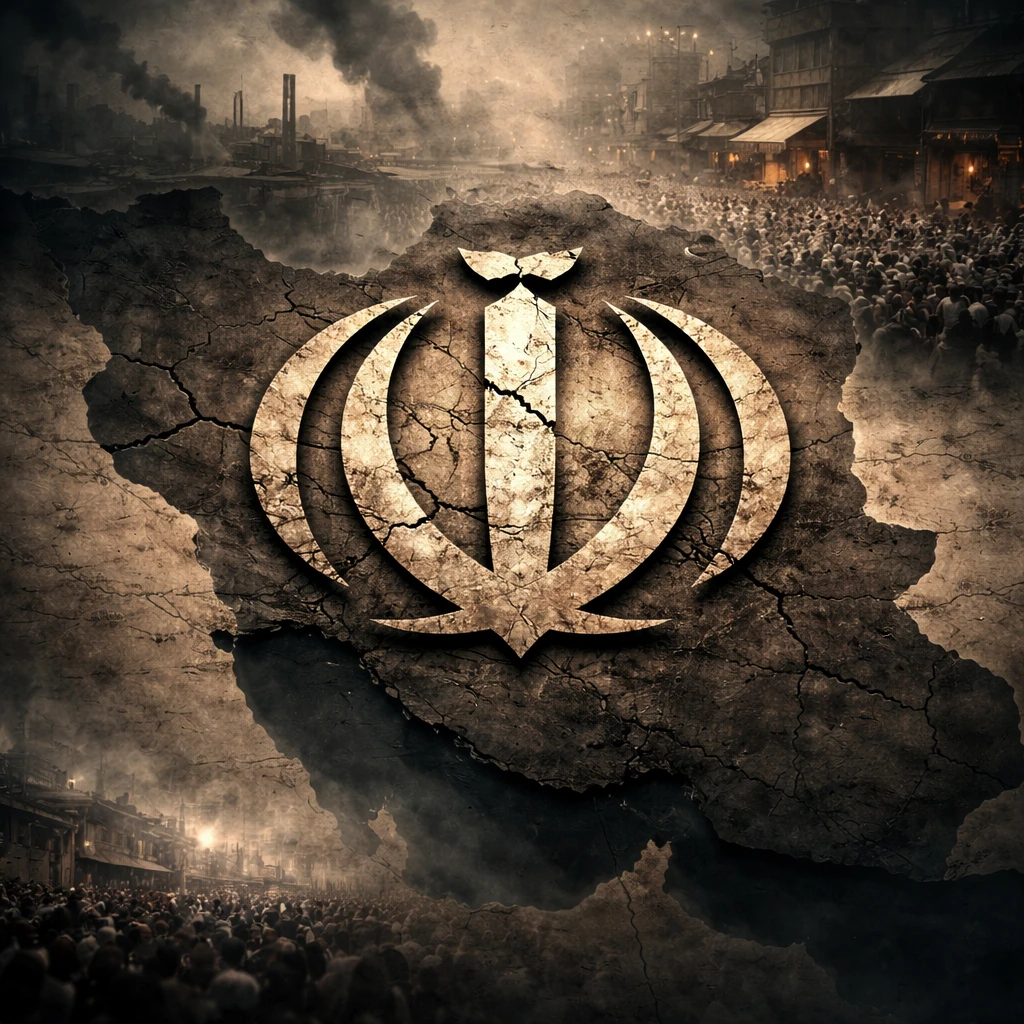

President Donald Trump is regularly briefed on U.S. intelligence evaluations that report significant pressures confronting Iran's ruling establishment. Sources familiar with the intelligence indicate that Iran's grip on control within its borders is weaker than any period experienced since the 1979 Islamic Revolution, signaling a major moment of internal instability.
The intelligence compilations, detailed recently in analyses shared within governmental circles, focus on civil unrest originating late last year, which rapidly escalated across multiple cities and regions traditionally loyal to Supreme Leader Ayatollah Ali Khamenei. These widespread protests represent a break from historical patterns, revealing strains within areas previously considered reliable havens of support for the regime.
Concurrent with the political unrest, the country's economy is described as being in a historically severe downturn, with indicators pointing to harsh conditions for the populace. The Iranian currency has plummeted in value, consistent power outages impact daily life, and soaring food prices have prompted ongoing demonstrations since December. Despite the protests abating to some extent, analysts caution that the underlying discontent among Iranian citizens has not dissipated.
Authorities in Tehran have responded with significant measures including deploying security forces and conducting mass arrests in an effort to regain control over public order. However, human rights observers assert that these actions have further increased public resentment, deepening the chasm between the government and the citizens.
This wave of unrest is noted as the deadliest anti-government movement in Iran since the 1979 Revolution, with some activist groups estimating a death toll exceeding 12,000. This stark figure illustrates the gravity of the current crisis and highlights profound challenges to the regime’s stability.
Economic sanctions imposed by the United States, together with recent threats of additional tariffs from the Trump administration, have exacerbated Iran's economic isolation. These measures have had a tangible impact on the country's oil revenue streams, despite fluctuations in global crude prices that have not always favored Washington’s objectives.
Amid these developments, the U.S. military has enhanced its strategic presence in proximity to Iran. As reported recently, the aircraft carrier USS Abraham Lincoln, accompanied by three warships equipped with cruise missile capabilities, is operating within the U.S. Central Command area in the western Indian Ocean. This deployment effectively positions American forces to conduct prompt strikes on Iranian targets, if so commanded, reflecting a posture of heightened readiness.
The White House has reaffirmed that President Trump is consistently updated on global intelligence matters, describing such briefings as essential responsibilities for the commander in chief. A spokesperson emphasized the president's active monitoring of the evolving situation in Iran.
Within the U.S. administration, some officials perceive the unrest in Iran as a strategic opportunity, while cautionary voices among allies warn of the risks associated with potential missteps. Concerns include destabilization of global energy markets and the possibility of conflict expanding across the broader Middle East region.
This portrayal of Iran’s current turmoil, as assessed by U.S. intelligence, underscores a confluence of political, economic, and military factors that collectively depict a regime facing critical internal challenges. The combination of sustained protests, economic hardships, and intensified international pressure places significant demands on Tehran’s leadership, with uncertain outcomes ahead.