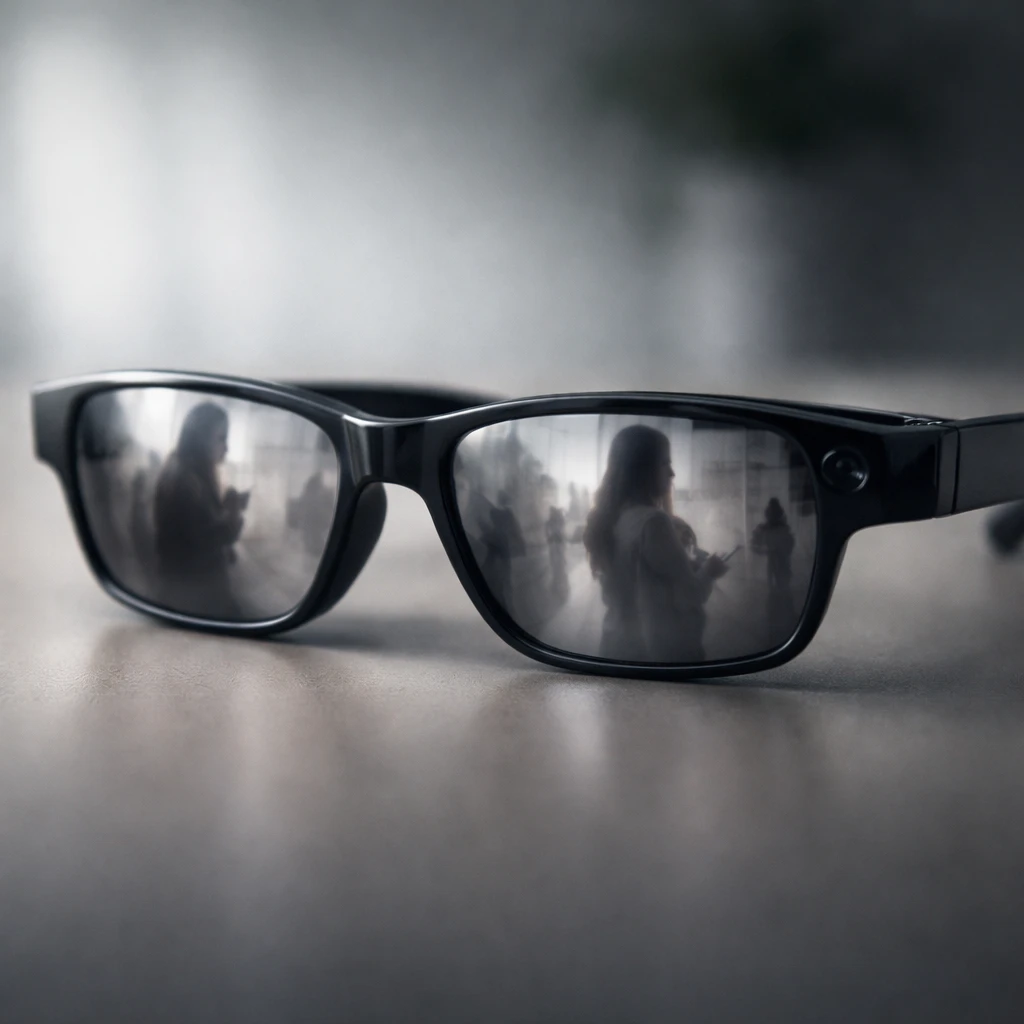

Recent reports have brought to light troubling instances where smart glasses, an emerging wearable technology, have been exploited to surreptitiously record women without their knowledge or approval. Three women have come forward detailing their experiences of being covertly filmed by men employing this technology. These recordings, created without the consent of those filmed, were then uploaded to social media platforms, where they attracted thousands—and in one notable case, millions—of views.
The implications of this misuse of smart glasses are raising urgent questions about the boundaries of privacy in an era of rapidly advancing technology. The devices, designed to function as convenient hands-free tools providing augmented reality information or recording capability, can be manipulated to capture videos discretely, often without any obvious indication to nearby individuals.
The women interviewed expressed shock and discomfort upon learning about the recordings. Each affirmed they had not granted permission for their images or actions to be recorded or shared publicly. The dissemination of such footage on widely accessible networks has intensified the public discourse surrounding individual rights to privacy and the ethical limitations of recording technology.
This phenomenon underscores a developing facet of digital privacy challenges. While smart glasses offer innovative uses, their potential for misuse—as demonstrated by these incidents—highlights the need for clear regulations and public awareness concerning covert filming methods. The widespread sharing of the videos online further complicates the matter, as it amplifies the impact on the individuals filmed and raises questions about platform responsibilities.
The situation has prompted debate among privacy advocates, technology developers, and policymakers about how to safeguard individuals in public spaces from unauthorized recording and distribution of their images. It stresses the critical need for legal frameworks to evolve alongside emerging technologies to prevent invasive practices while balancing innovation and personal security.
In summary, the confidential recording of women via smart glasses without consent, followed by mass social media exposure, spotlights a significant privacy concern in the digital age. These cases simulate broader societal challenges regarding the ethical use of new tech and reinforce the imperative for vigilance and regulation to protect personal privacy rights.