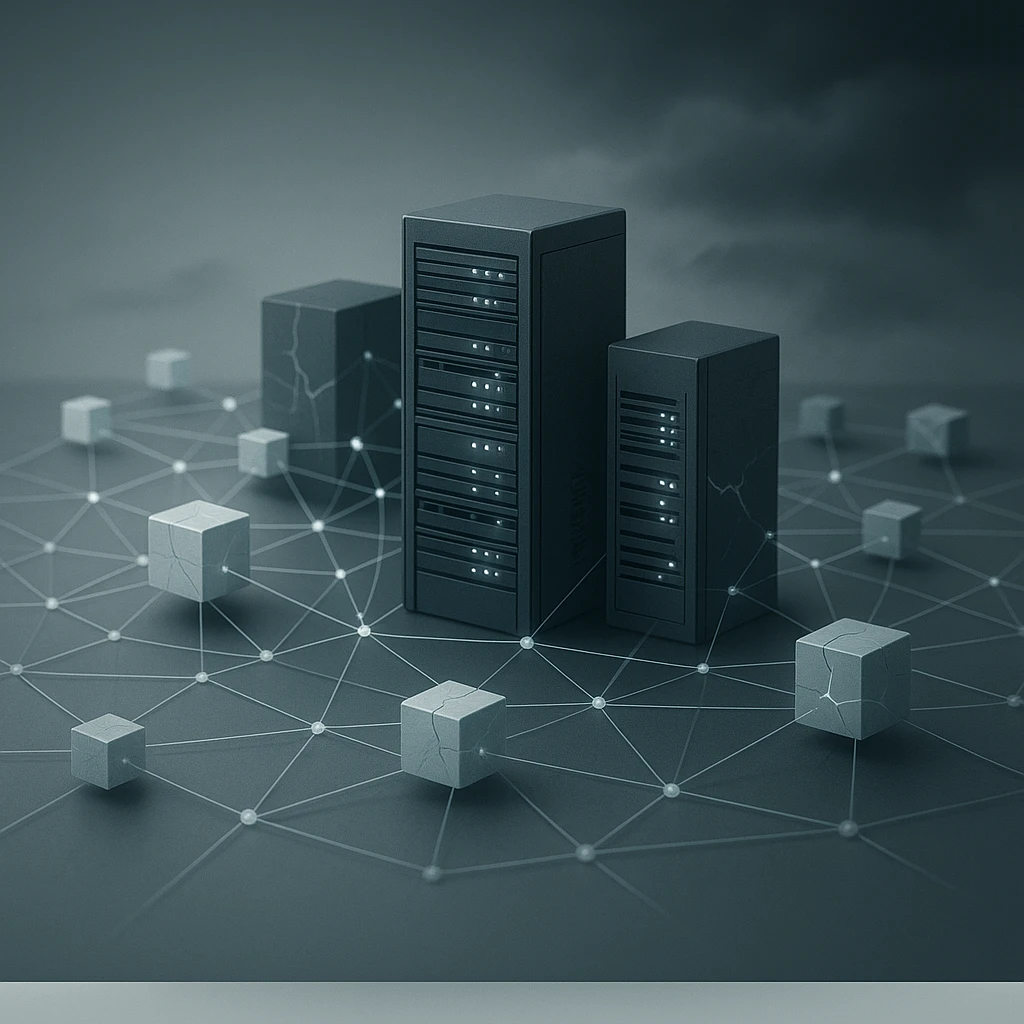

In July of this year, Alaska Airlines experienced a significant IT failure that forced the cancellation of hundreds of flights, primarily from its Seattle-Tacoma International Airport hub. Passengers, such as Tony Scott, found themselves abruptly removed from flights already boarded, encountering chaotic conditions and a lack of clear communication. This episode is part of a wider pattern of airline IT outages that have increasingly disrupted operations across the United States.
The airline industry is deeply dependent on intricate computer systems that orchestrate crew schedules, seating assignments, and a host of other logistical components essential to flight operations. Though these systems enable efficient airline operations, they also represent a fragile backbone where malfunctions can quickly escalate into extensive cancellations.
The causes of such failures vary. For instance, a problematic software update caused a large-scale disruption at Delta Air Lines last year, while Southwest Airlines suffered a severe outage during a winter storm three years prior. Despite differences in specific triggers, industry experts observe recurring themes and vulnerabilities in the technological frameworks underlying airline operations.
Eash Sundaram, former chief information officer of JetBlue Airways and current head of Utpata Ventures, highlights a critical challenge faced by airlines: the scarcity of commercially available software tailored to complex airline functions. Consequently, carriers often resort to integrating disparate proprietary systems or assembling software components from multiple vendors. This patchwork approach can lead to cascading failures, where the breakdown of a single element swiftly undermines the entire network. Sundaram notes, "All it takes is 100 flights to be cancelled (to) completely shut down the entire network."
Alaska Airlines attributed its July outage to an "unexpected failure" of vital hardware within one of its data centers. The airline experienced another notable outage in October, resulting in more than 100 flight cancellations. Such incidents underline how single points of failure in physical infrastructure can ripple through operations.
Tony Scott's personal experience extends beyond that of a disrupted traveler; as a veteran of the technology industry who has held CIO roles at Microsoft and within the federal government, his observations carry the weight of professional insight. Scott characterizes the airline IT ecosystem as "a spider's web of technology" composed of automated processes constructed piecemeal over time by varied teams and systems. This fragmentation creates an architecture that would be unlikely to be chosen if redesigned from scratch today.
The difficulty of restoring operations following an IT outage is demonstrated by Southwest Airlines' experience during a harsh winter storm in 2022. While other carriers resumed service within days, Southwest struggled to recover promptly due to the critical impact on key cities that served as hubs for their crew network. Lauren Woods, Southwest's Chief Information Officer, who assumed her role around the time of the storm, explains that the airline has since prioritized substantial investments in technology enhancements, particularly in systems managing flight crews. These updates have improved Southwest's capacity to detect and mitigate issues early in the operational process, thereby strengthening its resilience against disruptions.
Southwest's case illustrates that while IT failures remain a risk across the industry, the speed and effectiveness of recovery can dramatically influence the severity of their impact. Woods emphasizes that brief outages are less disruptive than prolonged ones, stating, "We may have a tech outage, but you care less about it if it's a five minute recovery...versus a major tech outage that took me down for a day."
In summary, the airline industry's reliance on complex and often fragmented IT systems presents an inherent vulnerability to outages that can halt large portions of operations. While airlines have begun addressing these risks by upgrading and integrating their technology infrastructures, system failures will continue to occur. The critical measure moving forward is how swiftly and efficiently airlines can restore services and manage customer experience during such events.