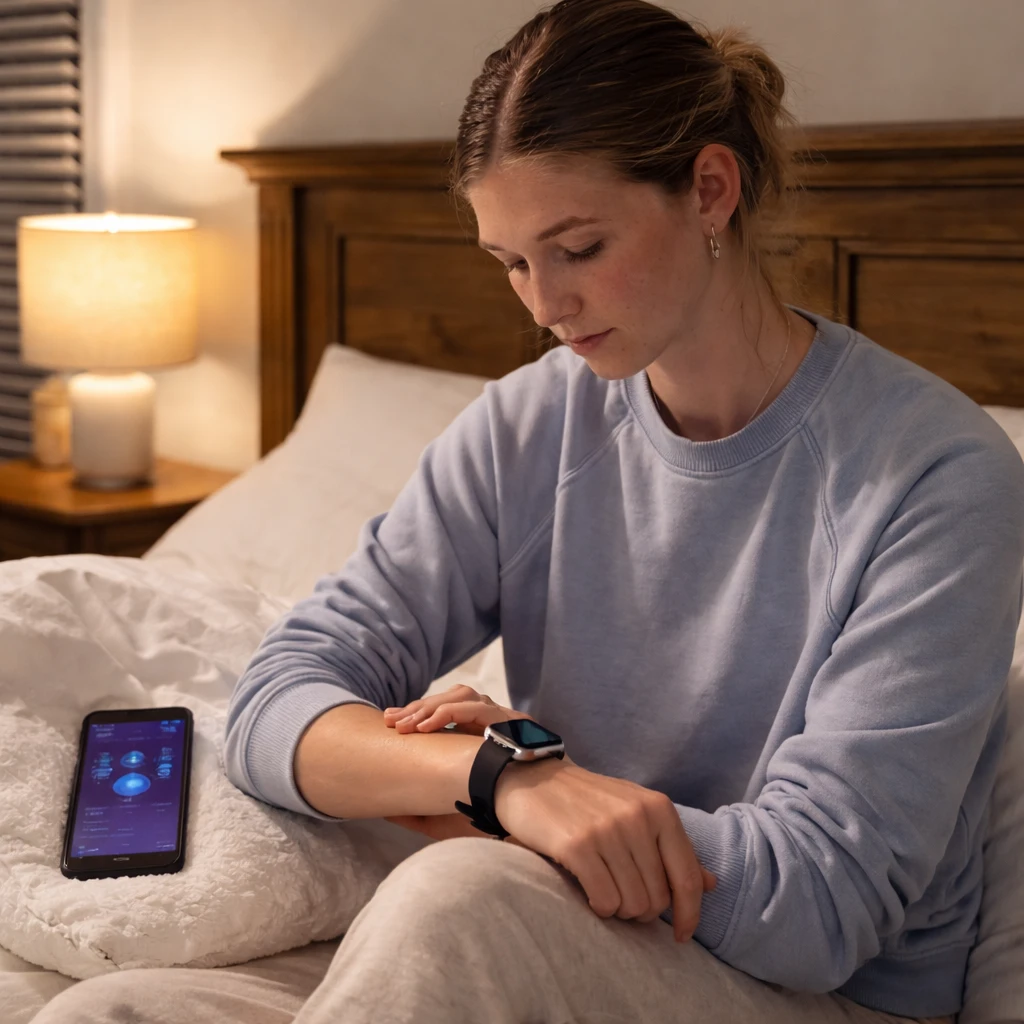

The popularity of wearable devices like smartwatches and rings for tracking sleep has surged, raising questions about their accuracy and the extent to which users should rely on the information provided. Rather than directly measuring sleep, these trackers infer sleep states by analyzing signals such as heart rate and body movement. This indirect approach makes their data somewhat approximate, prompting experts to caution users about interpretation.
According to market research by Grand View Research, the U.S. market for sleep-tracking devices earned approximately $5 billion in 2023, with projections indicating this figure could double by 2030. As interest intensifies, understanding what these gadgets can accurately reveal—and their current limitations—is increasingly important.
How Sleep Trackers Function
Devices including Apple Watch, Fitbit, and Oura Ring predominantly assess sleep by monitoring an individual's movement and heart rate during periods of rest. Daniel Forger, a mathematics professor at the University of Michigan specializing in sleep wearable science, notes that algorithms employed by leading brands have become proficient at detecting when a person is asleep. However, when it comes to distinguishing specific sleep stages with precision—such as differentiating REM from non-REM sleep—the data from consumer devices are less reliable compared to polysomnography conducted in clinical sleep labs.
"If you really want to know definitively how much non-REM sleep you’re having versus REM sleep, that’s where the in-lab studies really excel," Forger remarked.
Interpreting Sleep Data Correctly
Many users focus excessively on detailed nightly statistics, such as the amount of REM sleep recorded, which neurologist Dr. Chantale Branson of Morehouse School of Medicine identifies as a misapplication of the devices. She observes that patients often present with sleep tracker data fixated on minor fluctuations rather than addressing broader sleep issues.
Branson suggests that these tools are better suited for observing long-term patterns instead of providing definitive diagnoses on sleep health. She further emphasizes the value of traditional "sleep hygiene" measures—like establishing relaxing pre-bedtime routines, limiting screen exposure before sleep, and maintaining a comfortable sleeping environment—as foundational steps for improving rest quality.
For those concerned about sleep disturbances, consulting healthcare professionals remains advisable prior to investing in sleep-tracking technology.
Contrastingly, Forger expresses optimism about the benefits of wearables, stating they serve as reminders of sleep's importance. He encourages their use even among individuals without prominent sleep problems, citing the insight they provide into aligning sleep schedules with one's internal biological clock to enhance sleep efficiency and daytime alertness.
Personal Experiences with Sleep Tracking
Kate Stoye, a middle school teacher from Atlanta, reports positive lifestyle changes linked to her Oura Ring usage. She notes that data showing poorer sleep quality after alcohol consumption motivated her to give up drinking. Additionally, the monitoring helped reveal that late-night eating impairs her sleep, aiding her efforts to improve her nighttime routines.
Conversely, Mai Barreneche, a New York City advertising professional, encountered negative psychological effects from sleep tracking. Despite initially finding the device beneficial for establishing good habits and morning exercise consistency, she developed anxiety from obsessively monitoring her nightly scores. This phenomenon, identified as "orthosomnia," prompted her to discontinue use during a vacation, after which she chose not to resume wearing the device. Barreneche credits the sustained healthy behaviors to lessons learned, separate from ongoing data tracking.
Dr. Branson notes that such anxiety and distress from sleep metrics are not uncommon, especially among users striving to reach particular sleep parameters or sharing performance with peers. Due to individual differences in sleep needs based on factors like age and genetics, comparing sleep data across users or fixating on stage-specific goals can be counterproductive.
"These devices are supposed to help you," Branson explained. "And if you feel anxious or worried or frustrated about it, then it’s not helpful, and you should really talk to a professional."
Looking Ahead: Expanding the Role of Wearables
The promise of sleep tracking technology extends beyond current applications, according to Forger, who highlights emerging research in which wearables might detect early signs of infections prior to symptom onset and identify shifts in sleep patterns associated with depression or relapse risks.
He points out that the body regulates critical rhythms to maintain health and alertness, and disruptions to these rhythms—such as those caused by infections—can be detected through changes in biometric data.
This capability could be especially transformative in underserved regions lacking easy access to healthcare professionals and specialized equipment, enabling remote monitoring and earlier intervention.
Forger concludes that deeper understanding and utilization of sleep rhythms and architecture will significantly enhance health and quality of life in the near future.