TIME magazine has designated the Architects of AI as their 2025 Person of the Year, a distinction that speaks to the profound technological upheaval currently reshaping society. To visually represent this monumental shift, the publication commissioned two different artists to contribute original cover artworks that embody the intricate and evolving nature of artificial intelligence.
London-based illustrator and animator Peter Crowther was tasked with creating one interpretation. Inspired by the design and structure of computer chips, Crowther constructed a complex image depicting a sprawling AI framework towering over an active construction site. The scene artfully conveys the continuous progress and development inherent in the AI industry, with scaffolding that suggests a never-ending building process. Observant viewers are invited to identify eight significant figures embedded among the workers—these individuals symbolize key contributors who have propelled the AI revolution forward.
Crowther, a graduate of the Royal College of Art with a Master’s degree in graphic design, shared insights into his creative process. He prefers to spend considerable time internalizing the project brief before commencing his work, allowing a comprehensive vision to crystallize. Often, the inspiration emerges suddenly and vividly, enabling him to see the entirety of the piece mentally before translating it onto the page.
The second cover represents a striking homage by digital painter Jason Seiler. Drawing inspiration from the iconic 1932 photograph "Lunch Atop a Skyscraper," which depicts steelworkers poised 800 feet above New York City, Seiler reimagines this tableau to highlight prominent figures instrumental in AI's evolution. This photograph, recognized among TIME’s 100 most influential images, serves as a visual touchstone linking historic human endeavor and modern technological breakthroughs.
Seiler brings deep expertise to this project, having studied fine art illustration at the American Academy of Art in Chicago and being a classically trained oil painter. His meticulous approach involved over a week of painting the scene digitally on a 21-inch LCD display. His portfolio includes previous TIME Person of the Year covers, featuring Pope Francis in 2013 and the combined portrait of Joe Biden and Kamala Harris in 2020.
TIME’s creative director reflected on the privilege and responsibility of collaborating with exceptional artists and photographers who enliven the magazine’s signature red-bordered covers. This role, spanning a century of visual storytelling, has consistently depended on human creativity to convey complex narratives. However, the 2025 cover presented an intriguing question: what form would an AI-generated self-portrait take?
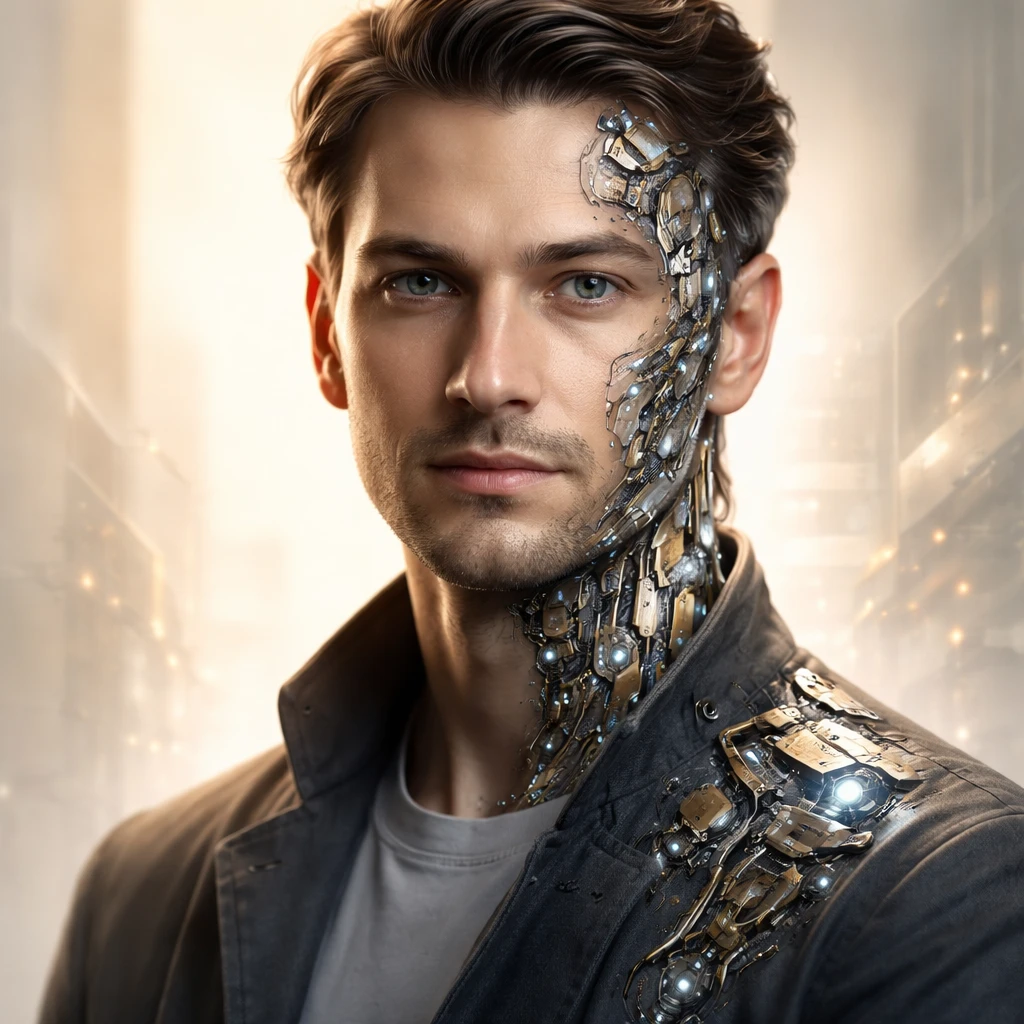
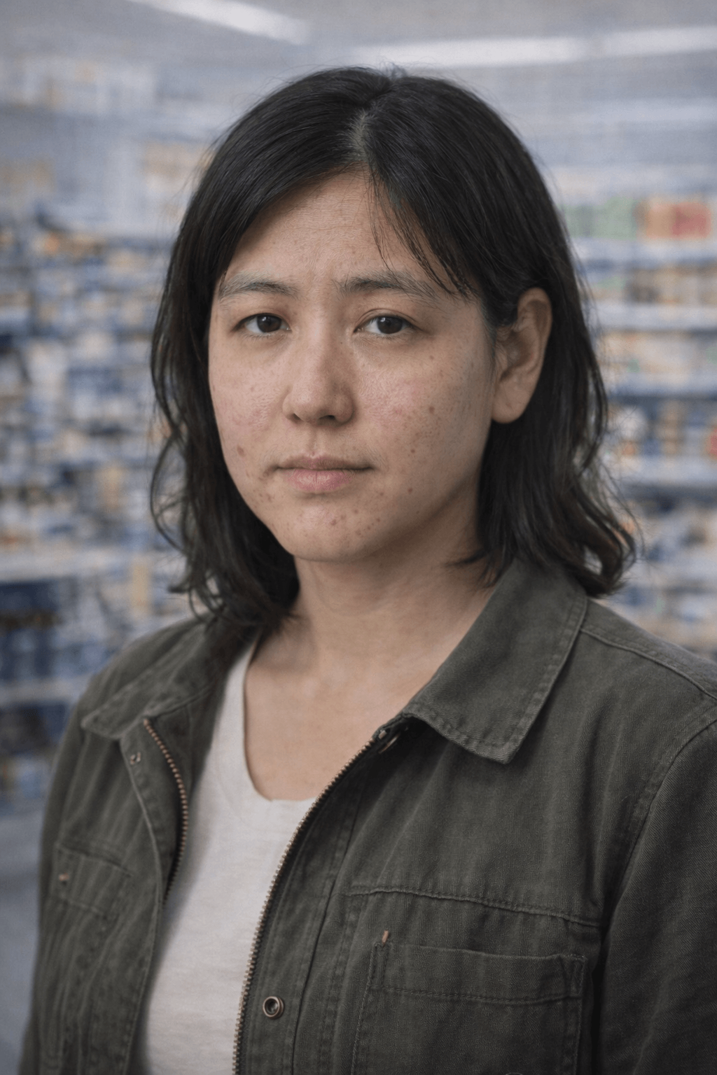
Inspired by widespread public interaction with advanced AI tools over the prior year, the creative director experimented with two leading artificial intelligence platforms—OpenAI’s GPT-5 and Google’s Gemini 3—to generate images based on prompts such as "What do you look like as a person?" and "Create an illustration using the letters AI." Various outputs were collected, displayed alongside the traditional artworks, illustrating the possibilities and limitations of AI as a creative instrument.
This exploration brought to light ongoing debates around AI-generated art. Crowther remarked that if artistic creation is reduced to merely issuing commands to an AI model, particularly when the command itself originates from another AI chatbot, the human participant may be too removed from the process to gain meaningful insight or exercise genuine creativity. He likened this to ordering a meal not equating to being a chef.
Initially approached with caution, the director’s AI experimentation evolved into a valuable learning experience. By prompting the models repeatedly, he observed how each interpreted directives, identifying those that produced the most compelling results. The exercise necessitated iterative refinement, appreciating the AI’s inclination to generate novel images each time, and led to a sense of artistic collaboration akin to directing a creative partner.
The experience reaffirmed TIME’s commitment to showcasing human creativity on its covers. At the same time, it highlighted AI as a potent tool in image creation, analogous to instruments like brushes or cameras. Nevertheless, it underscored the enduring importance of human judgment and vision in any collaboration involving AI-generated content. This balance is vividly exemplified in the works of Crowther and Seiler, whose pieces remain grounded in personal artistry and insight despite technological influences.