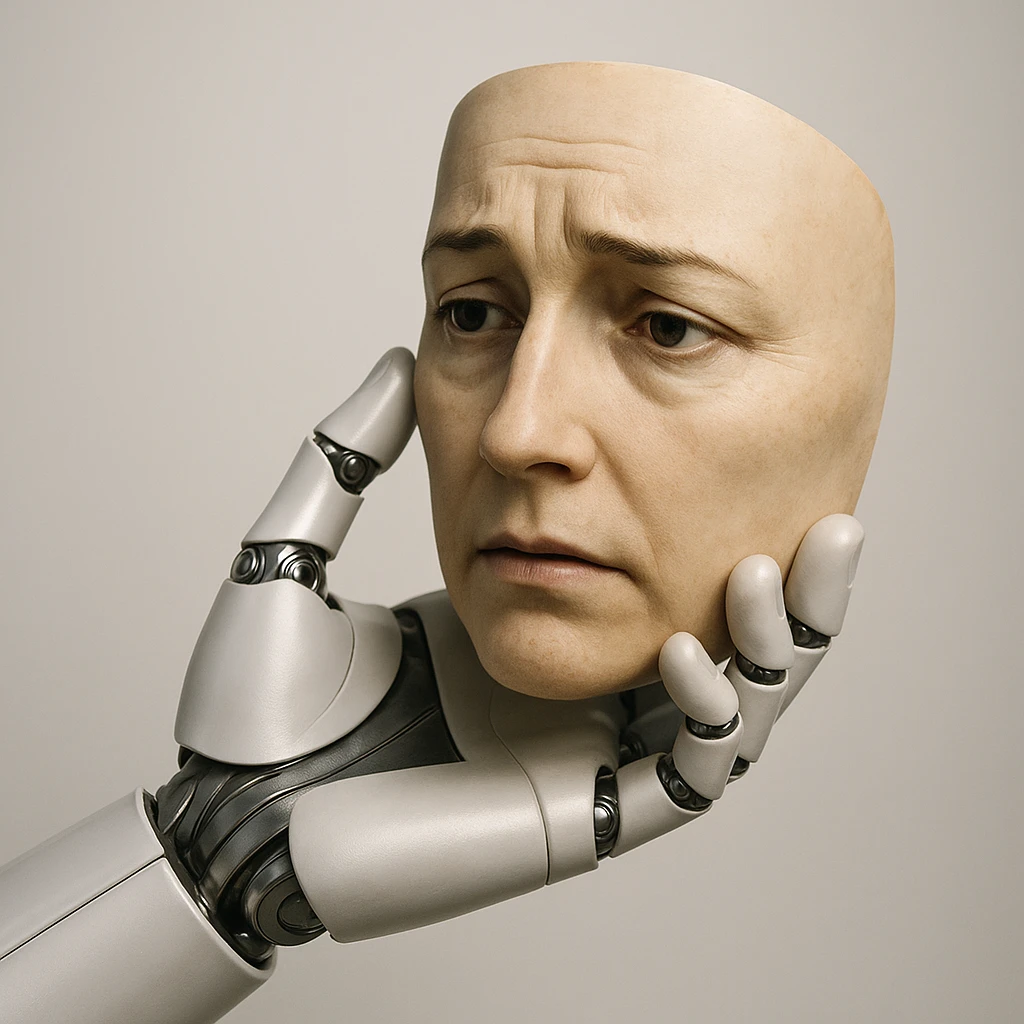

Throughout 2025, artificial intelligence became a strategic priority for chief marketing officers at prominent global brands. Yet, this accelerated adoption was accompanied by notable controversies and consumer skepticism, particularly concerning AI-generated advertising content. Brands encountered challenges ranging from unsettling AI visuals to public resistance against reducing human involvement in creative processes.
A comprehensive survey by the brand-tracking platform Tracksuit, sampling over 6,000 US consumers in November, revealed that sentiment towards AI-generated advertisements skewed predominantly negative. Specifically, 39% of respondents expressed unfavorable views, while 36% remained neutral, and only 18% responded positively toward brands incorporating AI-generated material in their campaigns.
From an industry perspective, caution is advocated when applying AI to creative development. Matt Barash, Chief Commercial Officer at the adtech firm Nova, emphasized that although AI tools can efficiently facilitate media buying and ad placement, relying on AI for original storytelling often results in outputs that lack true innovation. He noted that AI tends to produce imitations of human emotion, which can inadvertently generate negative headlines rather than effective messaging.
Among several high-profile missteps this year, five campaigns stand out for their controversial reception and illustrative insight into the current tensions surrounding AI in marketing.
McDonald’s Netherlands Faces Backlash Over Holiday Spot
McDonald's Netherlands launched an AI-generated holiday advertisement intended as a satirical commentary on the seasonal mishaps common during Christmas. The 45-second commercial depicted a montage of misfortunes: culinary blunders, injuries on an ice rink, and Santa Claus’s sleigh caught in traffic, ultimately suggesting that patrons could find refuge in McDonald’s locations during holiday chaos.
However, viewers reacted negatively, with some labeling the advertisement as cynical and describing its characters as “creepy.” Social media criticism intensified, prompting McDonald's initially to disable comments on the YouTube posting, and eventually to withdraw the ad entirely from the platform. The company subsequently communicated that while the ad aimed to represent the stressful nature of the holidays, it recognized that many customers associate the season with joy and goodwill. McDonald's reaffirmed its commitment to delivering positive experiences centered around “Good Times and Good Food.”
Coca-Cola’s AI-Driven Holiday Trucks Draw Creative Scrutiny
Coca-Cola, having been previously criticized for an AI-generated holiday commercial perceived as “dystopian” and lacking emotional warmth, released three new AI-created holiday advertisements in 2025. One particular rendition, an AI-based update on the traditional “Holidays Are Coming” truck parade, attracted attention for an unusual inconsistency: the number of trucks appeared to fluctuate as the ad progressed, creating a striking visual anomaly.
Innovator Dino Burbidge highlighted this irregularity with an illustrative guide circulated within the creative community, underscoring the unexpected AI-induced visual effect.
The production company behind the ad, Silverside AI, defended Coca-Cola's commitment to pioneering AI usage in marketing. PJ Pereira, co-founder of Silverside AI, emphasized the brand’s pragmatic approach—accepting that AI is an imperfect but inevitable tool—and directing efforts toward innovative and creative deployments instead of rejecting AI for its flaws.
Despite the controversy, external ratings demonstrated strong consumer engagement. Both System1 and DAIVID, firms specializing in ad effectiveness measurement, awarded the ads high marks, with System1 giving the maximum 5.9 out of 5.9 stars and DAIVID reporting above-average attention and brand recall.
Meta’s AI-Ad Replacement Sparks Advertiser Surprise
True Classic, an apparel brand known for digitally savvy marketing targeting men aged 30 to 45, experienced a perplexing shift in its Facebook advertising. Its highest-performing ad, featuring a millennial man in coordinated apparel, was automatically replaced by Meta’s platform with one centered on an AI-generated elderly woman seated comfortably in an armchair.
This substitution emerged from automatic ad creative generation enabled by Meta’s Advantage+ AI-driven advertising toolkit, which some advertisers reported was switched on without their deliberate consent, despite their toggling it off. Meta stated that advertisers could review AI-generated images prior to campaign launch, but acknowledged instances where controls were reset, inadvertently allocating budgets to AI-generated content.
H&M’s Digital Twins Ignite Debate on Fashion AI
Fast-fashion giant H&M announced plans to produce “digital twins” of 30 models for use across social media and advertising, allowing for image use rights retention by the models themselves. Initially introduced in March and publicized further in July with the release of visual samples, this initiative sought to explore AI’s potential to replace traditional photoshoots.
H&M’s chief creative officer, Jörgen Andersson, anticipated mixed reactions, acknowledging the divisiveness surrounding such technology. Indeed, some industry commentators and advocacy groups expressed concern. Influencer Morgan Riddle criticized the plan as “shameful,” while Sara Ziff, founder of Model Alliance, raised issues about consent, compensation, and risks to livelihoods for creative professionals such as makeup artists and stylists.
Responding to such critiques, an H&M spokesperson conveyed the company’s intent to explore generative AI thoughtfully and responsibly while remaining transparent about the ongoing learning process and the ethical questions the technology prompts.
Vogue Features AI-Generated Models in Controversial Guess Advertisement
The August 2025 edition of Vogue contained ads for Guess featuring AI-created models named “Vivienne” and “Anastasia.” These images, produced by the London-based AI marketing agency Seraphinne Vallora, included disclaimers indicating their AI origins.
The inclusion triggered strong reactions online, with critics accusing the campaign of promoting unrealistic beauty standards and signaling troubling implications for creative employment across the fashion sector. Some social media users threatened to cancel Vogue subscriptions in protest. Vogue’s publisher, Condé Nast, clarified that while AI-generated models appeared in advertisements, no AI-created model had appeared in editorial content within the magazine.
Seraphinne Vallora's cofounders stated their goal was to complement—not supplant—the existing modeling industry by introducing AI-enhanced options.
The series of events across the marketing and fashion industries underscores an ongoing reckoning over the use of AI-generated content. Brands must navigate consumer skepticism, creative integrity, and ethical considerations as they integrate emerging technologies into advertising pipelines.