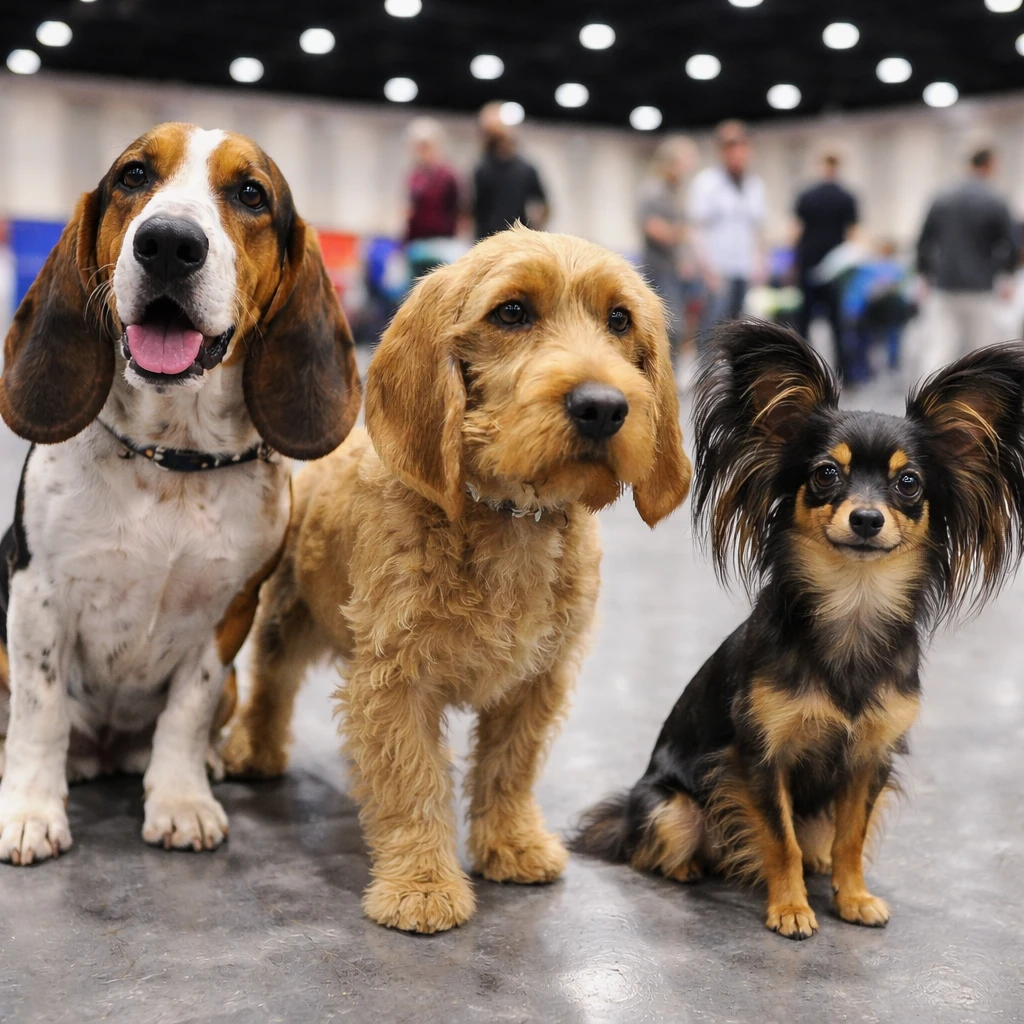

In preparation for 2026, the American Kennel Club has officially incorporated three additional dog breeds into its recognized roster, thereby broadening the range of canines eligible for participation in numerous U.S. dog shows and enhancing their exposure to pet enthusiasts nationwide.
The newly acknowledged breeds consist of a terrier honoring a former U.S. president, a compact lap dog originating from Russia during the Cold War period, and a longstanding French hunting breed with aristocratic roots.
The Basset Fauve de Bretagne
This breed is characterized by a height ranging from 12.5 to 15.5 inches measured at the base of the neck and a weight span of 23 to 39 pounds. It is known for being a hardy, social, and compact hound capable of enduring extended periods of hunting activity. This breed demands substantial mental stimulation alongside physical exercise to thrive. Pronounced "bah-SAY’ fove deh breh-TAHN’-yeh," the name translates to "fawn-colored, low-set dog from Brittany."
Tracing its origins to at least the 16th century within French aristocratic circles, the breed features a coarse coat in shades of tan. In recent years, Cindy Hartman, a service dog trainer based in South Carolina, has played a pivotal role in promoting the breed within the U.S., introducing a pair of puppies from France in 2001. Hartman has since trained and placed approximately 20 of these dogs as medical alert companions for individuals with diabetes.
"They’re wicked smart, and so if you’re wanting a dog that’s just going to lay around all day long, a fauve is not for you," Hartman commented. "But yet, when challenged mentally and physically, they’re happy to come in with you and curl up on the sofa for the evening."
The Teddy Roosevelt Terrier
Measuring between 8 and 14 inches tall at the neck base, and weighing from 8 to 25 pounds, this breed is sturdy and energetic. It is reputed for its ability to control rodent populations in barns, alert owners to intruders, participate in dog sports, and amuse with playful behavior.
Initially considered a short-legged variety of the rat terrier, the breed gained separate recognition in 1999. Named after President Theodore Roosevelt, known for his affection for terriers among other dogs, this breed carries a legacy linked to American history.
"They know how to get you to laugh," said Cindy Rickey from Waynesville, North Carolina, secretary of the American Teddy Roosevelt Terrier Club. She highlights that despite the breed's terrier roots, which typically come with a reputation for independence, her Teddy Roosevelt Terrier competes successfully in obedience competitions, displaying a strong desire to please.
The Russian Tsvetnaya Bolonka
This diminutive companion dog reaches up to 10¼ inches in height and weighs between 7 and 9 pounds. It is noted for being affectionate yet intelligent, requiring interactive playtime along with opportunities for relaxation.
With a name pronounced "zvit-NEYE'-ah boh-LON'-kah," meaning "Russian colored lapdog," the breed originated in Leningrad (now Saint Petersburg) during the Soviet era after World War II. It was specifically developed for residents of apartments. Enthusiasts in the United States have been working since the early 2000s to develop a following and establish the breed domestically.
Denise Dang, the secretary of the Russian Tsvetnaya Bolonka Club of America and resident of Oklahoma City, describes the breed's personality and care requisites:
"Having a bolonka is like having a 3-year-old kid running around your house. … They can enjoy their time lying on the couch with you, but you’ve got to be prepared to play with them and keep them entertained."
She also emphasizes the importance of grooming, noting that their low-shedding, wavy coat can mat if not properly maintained, advising bathing approximately every two weeks even when the coat is trimmed short.
Overview and Industry Implications
The AKC now recognizes a total of 205 breeds, including these three additions. Numerous other breeds and breed mixes, such as popular poodle hybrids, remain outside formal recognition but may be undergoing lengthy processes involving breeding standards, documentation, and community agreement. Brandi Hunter Munden, a spokesperson for the AKC, clarifies that the organization is not indiscriminately adding breeds but is instead focused on providing a structured system supporting growth, standardization, competition, and canine education within the United States.
Ongoing Controversies
Animal welfare advocates have repeatedly criticized dog breeding practices associated with the AKC, arguing these contribute to health problems within certain breeds. This year, legal action intensified with a lawsuit targeting the AKC over the health issues prevalent in French bulldogs, pugs, dachshunds, and Chinese shar-peis. The group People for the Ethical Treatment of Animals (PETA) seeks a legal injunction to prevent the AKC from maintaining current breeding standards that they claim encourage the propagation of unhealthy dogs.
The AKC refutes these allegations, labeling the lawsuit as without merit. It remains committed to upholding the health, well-being, and proper treatment of all dogs, consistently defending its position against criticism.