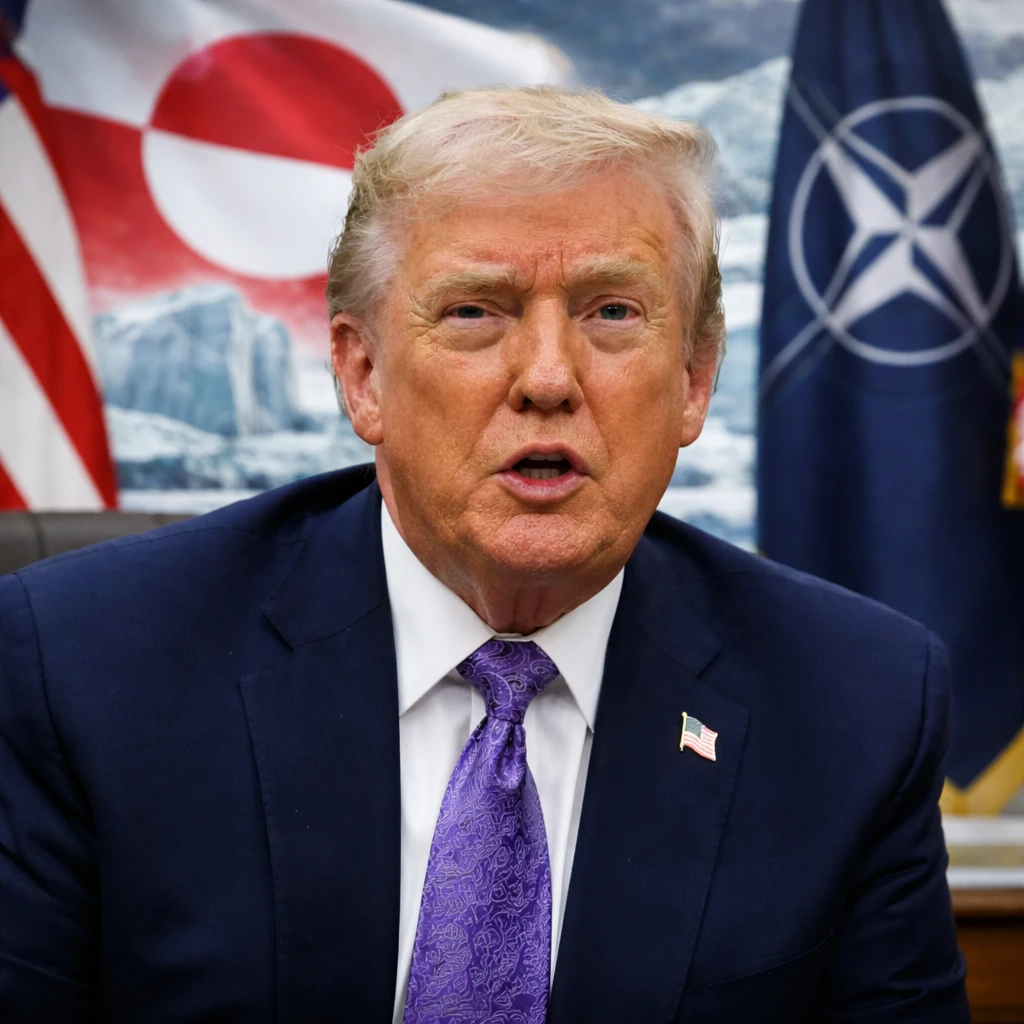

WASHINGTON — Recent escalations concerning President Donald Trump's statements about potentially incorporating Greenland into U.S. territory have prompted an unusual level of bipartisan resistance among Republican lawmakers, some of whom are openly voicing strong opposition to the current administration's approaches.
Last week, members of Congress delivered speeches underscoring the critical role of the North Atlantic Treaty Organization (NATO) and introduced legislative measures aimed at preventing any military action against Denmark, as Greenland is an autonomous Danish territory. Several U.S. lawmakers traveled to Copenhagen to engage their Danish counterparts in diplomatic discussions. However, President Trump remains firm, publicly insisting on the strategic necessity of acquiring Greenland, which has intensified speculations about possible disruptions to NATO and triggered worldwide apprehension regarding the direction of American foreign policy.
Senator Chris Coons, a Democrat from Delaware who coordinated the bipartisan delegation to Denmark, expressed the gravity of the situation, noting, "When the most powerful military nation on earth threatens your territory through its president over and over and over again, you start to take it seriously." The trip aimed to reduce tensions and explore potential agreements on military cooperation in the Arctic region. Senators Thom Tillis from North Carolina and Lisa Murkowski from Alaska were among the Republicans accompanying Democratic members. Furthermore, bipartisan groups met with Danish and Greenlandic officials in Washington, discussing security partnerships.
Despite these initiatives, President Trump escalated the situation by declaring a forthcoming 10% tariff on imports from eight European nations opposed to his Greenland acquisition proposals. He emphasized the strategic urgency citing advances in modern weapons technology and the imperative to secure Greenland promptly.
Within the Republican ranks, prominent figures have signaled clear disapproval of any forceful acquisition of Greenland, albeit largely avoiding direct confrontation with the president on this matter. Senator Thom Tillis described the proposed tariffs as detrimental to American interests and allies. Senate Majority Leader John Thune indicated there is little desire within the Senate to entertain aggressive measures concerning Greenland. Senator Mitch McConnell warned that any attempt to seize Greenland against allied consent would cause irreversible damage to international trust and tarnish the administration’s historical record.
Lawmakers from both parties see a pathway to protect U.S. interests in Greenland through cooperative engagement with Denmark. Discussions with Danish Foreign Minister Lars Løkke Rasmussen and Greenlandic counterpart Vivian Motzfeldt have focused on developing critical mineral resources and enhancing military collaboration. They also clarified that there is no verified presence of Chinese or Russian activities in Greenland, countering some claims used to justify aggressive U.S. moves.
President Trump's argument that the U.S. must assert control over Greenland before China or Russia do has spurred concern across Europe and led to increased deployment of troops from multiple nations in support of Denmark’s sovereignty. Senator Murkowski noted that the unilateral focus on Greenland by NATO allies inadvertently benefits Russian President Vladimir Putin by threatening the unity of the coalition.
On the legislative front, Congress is exploring avenues to expressly forbid the Department of Defense from funding any offensive operations against NATO member territories without explicit consent. Senator Murkowski and others suggest Congress could also intervene to nullify President Trump's imposed tariffs. Previous legislative efforts to rescind global tariffs faced hurdles, including the necessity of overriding a presidential veto or securing bipartisan supermajorities, which have proven elusive.
Democrats have gained some traction with war powers resolutions designed to compel the administration to seek congressional approval before initiating military actions. A recent proposal to bar attacks on Venezuela was narrowly defeated by Republicans, but some Democrats anticipate increased Republican support for similar measures concerning Greenland. Senator Tim Kaine, a leading advocate for war powers oversight, highlighted that such resolutions, even when unsuccessful, exert pressure leading to greater administration transparency and commitment to congressional consultation prior to troop deployments.
Nonetheless, Republican leadership has resisted these measures by contending that they are irrelevant in the absence of active U.S. ground forces in specific areas, a stance that could impair future legislative efforts to regulate presidential military actions. Senator Mike Rounds dismissed the immediate threat regarding Greenland scenarios as hypothetical and underscored that war powers resolutions lack weight without tangible troop involvement.
While some Republicans back the president's stance on securing Greenland, they downplay the feasibility of military seizure. Strongest opposition among Republicans largely emanates from lawmakers concluding their legislative service. Representative Don Bacon of Nebraska indicated that a military invasion of Greenland would likely prompt impeachment proceedings against the president. Senator Tillis criticized senior White House advisors perceived as instigators of coercive actions aimed at allied territories, calling such strategies shortsighted and counterproductive.
The unfolding situation highlights significant bipartisan tensions within the U.S. political landscape concerning foreign policy direction, alliance management, and the executive branch's military authority. It underscores complex considerations that weave together international relations, security strategies, and the interplay between presidential initiatives and congressional oversight.