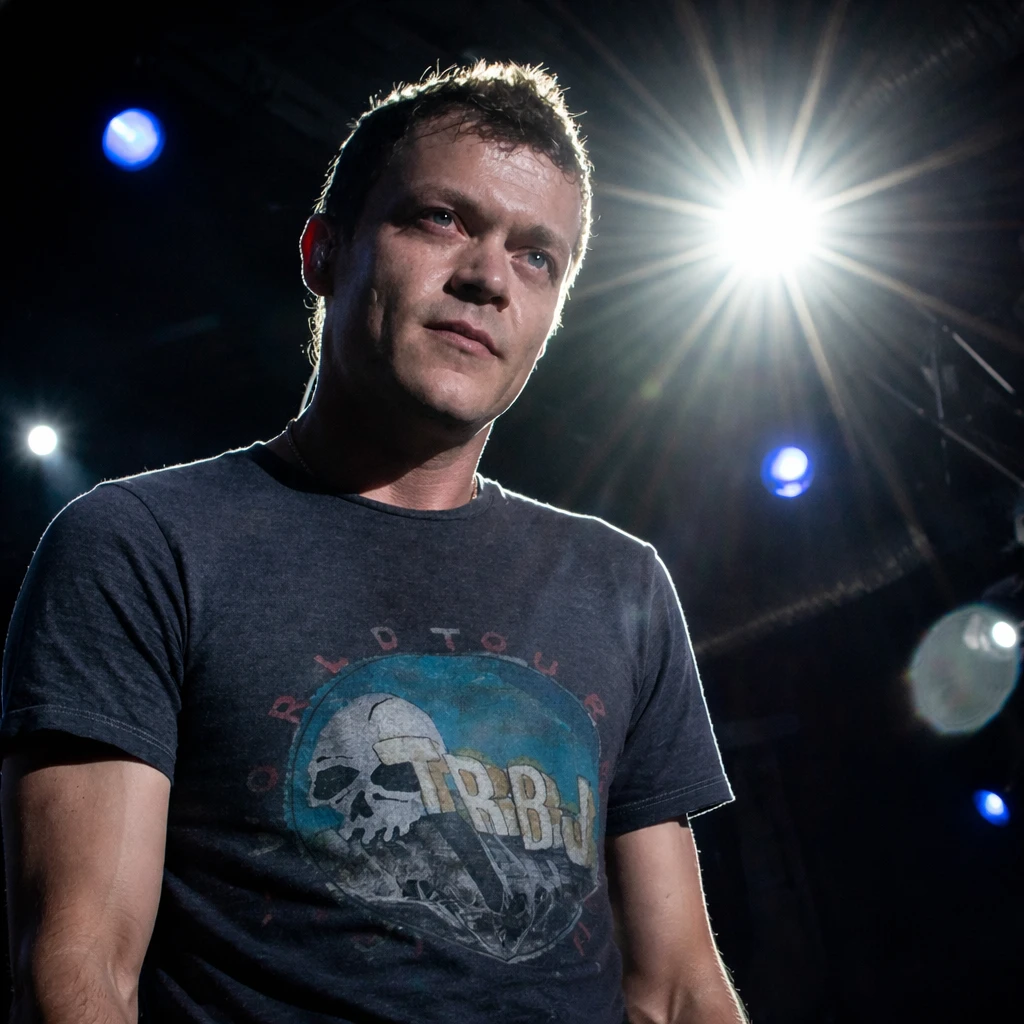

Brad Arnold, the lead singer of the American rock group 3 Doors Down, passed away in his sleep at the age of 47, surrounded by family and friends, after a relentless battle with Stage 4 kidney cancer. The news was confirmed by the band, emphasizing the peaceful nature of his passing and honoring his courage throughout the fight against the illness.
Originating from Mississippi in 1995, 3 Doors Down rapidly ascended in the rock scene, earning a Grammy nomination in 1999 for their breakout single "Kryptonite." Notably, Arnold began crafting this song during a math class when he was just 15, illustrating his early songwriting talents. "The Better Life," their debut album, achieved significant commercial success, selling over six million copies. The band garnered another Grammy nod in 2003 for the song "When I’m Gone," underscoring their continued influence.
The band highlighted Arnold's role in reshaping mainstream rock by fusing post-grunge appeal with direct emotional songwriting. His lyrical themes resonated deeply with listeners by engaging personal and relatable subject matter that connected on an everyday level.
Throughout their career, 3 Doors Down released six albums, with "Us And The Night" in 2016 as their most recent offering. Their discography includes popular singles such as "Loser," "Duck and Run," and "Be Like That," the latter of which featured in the soundtrack of the 2001 film "American Pie 2."
Reflecting on his career while promoting their fifth album, "Time of My Life," Arnold expressed gratitude for sustaining a prolonged presence in the music industry, acknowledging the growth and skill honed over years of experience in the demanding business.
In 2017, the band performed at the inaugural concert for President Donald Trump, marking a notable moment in their timeline. The singer publicly disclosed his cancer diagnosis in May of the previous year, revealing that the clear cell renal carcinoma had spread to his lungs, which necessitated the cancellation of a planned summer tour to focus on health concerns.
The band’s tribute emphasized how Arnold’s music went beyond entertainment, creating shared experiences filled with joy, faith, and connection that persist beyond his live performances. His influence endures through the music that defined much of early 2000s rock.