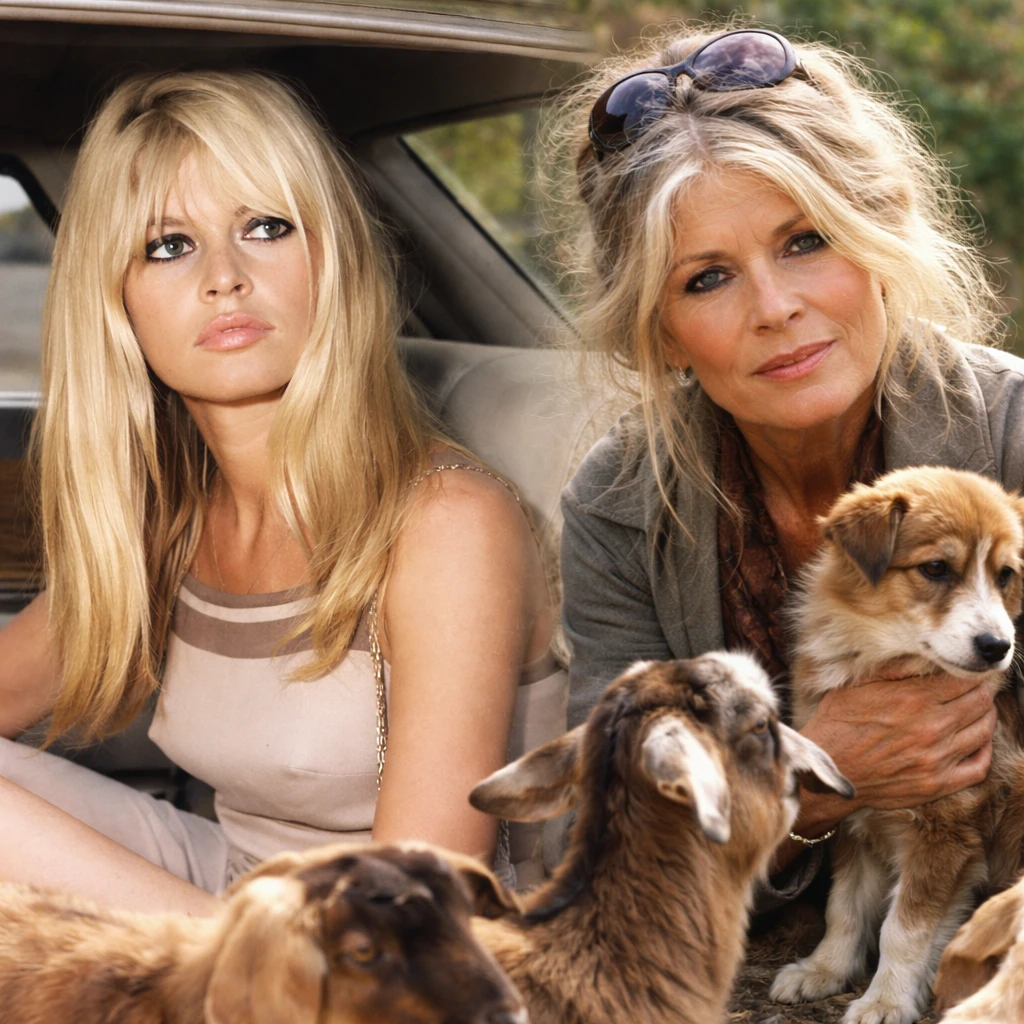

Brigitte Bardot, the French actress who transitioned from a celebrated cinematic figure to a fiercely dedicated animal rights activist, died Sunday at 91. Her rise to fame began at age 22 with the 1956 movie "And God Created Woman," which highlighted her striking silhouette, sultry expression, and distinctive blond hair. Over the next fifteen years, she remained a prominent subject of intense media scrutiny, enduring relentless paparazzi attention that she likened to being repeatedly shot by high-powered rifles. This persistent intrusion deeply affected her, ultimately steering her away from a film career toward animal advocacy.
Her acting career cemented her status as one of the 20th century’s primary sex symbols, emerging through her notable nude dance scenes in "And God Created Woman," directed by Roger Vadim, her first husband. During the peak of her acting years, Bardot embodied a French cultural awakening, representative of burgeoning sexual liberation and rebellion against conventional norms. Her image was so ingrained in the national identity that Air France featured her in promotional campaigns, solidifying her as a symbol of France.
Post-retirement, Bardot devoted herself to animal welfare, shining a spotlight on issues such as the slaughter of seal pups in the Arctic, the use of animals in medical testing, and ritual killings during Muslim religious festivals. On her 73rd birthday, she famously stated that past personal fame paled in comparison to the importance of alleviating animal suffering, emphasizing that animals, powerless and voiceless, deserved her attention and defense.
Her activism gained formal recognition in 1985 when she was awarded the Legion of Honor, France's prestigious distinction. However, her outspoken views later stirred controversy, leading to several legal convictions for inciting racial hatred, particularly related to her critiques of Muslim sacrificial practices during Aid el-Kebir and Eid Al-Adha. Bardot's associations also included connections to far-right circles through her fourth husband, Bernard d’Ormale, who had a history of racism convictions. Though she denied racist inclinations, Bardot openly criticized immigration, especially concerning Muslim communities in France.
Born in 1934 to an affluent industrialist family, Bardot received classical ballet training and was discovered as a teenage model featured on Elle magazine's cover. Her father exercised a strict, sometimes harsh discipline, which Bardot recalled as severe. It was Vadim who recognized her potential and scripted "And God Created Woman" to showcase her distinctive blend of innocence and raw sensuality. The film’s controversial narrative and Bardot’s performance significantly influenced the French New Wave cinema movement.
Despite professional success, Bardot’s personal life was marked by publicized romances and media invasions. Her relationship with co-star Jean-Louis Trintignant blurred the lines between public and private, intensifying paparazzi attention. This constant surveillance contributed to mental health struggles, including a suicide attempt after the birth of her son Nicolas with actor Jacques Charrier. Bardot later described her pregnancy in deeply negative terms and recounted an unhappy relationship with Charrier. She eventually relinquished custody of her son to him and admitted to feeling unprepared for motherhood.
Throughout her film career, Bardot appeared in various productions, including "A Parisian," "In Case of Misfortune," "The Truth," "Private Life," "A Ravishing Idiot," and others spanning the late 1950s to early 1970s. These films generally prioritized Bardot’s physical allure over complex storytelling, which she herself critiqued in retrospection. Bardot ultimately retired from acting at 39 after her role in "The Woman Grabber."
Her withdrawal from the limelight was followed by the birth of her second, highly publicized career in animal rights. Bardot sold many personal belongings to fund her foundation dedicated to preventing animal cruelty. She campaigned globally, lobbying governments to end practices such as dog meat trade in South Korea and critiquing longstanding European animal traditions. Her efforts earned admiration from fellow activists like Pamela Anderson, who referred to Bardot as an inspirational figure.
However, Bardot's provocative opinions also sparked backlash. In 1997, after expressing anti-immigration sentiments, several French municipalities removed statues inspired by her. She received threats following calls to prohibit horse meat sales. Amid the #MeToo movement in 2018, Bardot dismissed many sexual harassment claims within the acting community, labeling the protests hypocritical and asserting that she never experienced harassment herself, finding certain compliments in her youth endearing.
Identifying with the animals she defended, Bardot explained that the inhumane treatment she endured from the press gave her empathy for hunted creatures. She recalled feeling trapped by relentless media attention that she equated to violent assault. Bardot’s complex legacy intertwines her early stardom, passionate activism, and contentious public statements, reflecting a multifaceted life marked by both acclaim and controversy.