
The federal endorsement comes amid an administration push to revitalize U.S. energy production, viewing the Sable project as aligned with President Donald Trump’s priorities to dismantle longstanding regulatory constraints on offshore oil extraction. The U.S. Department of Transportation’s Pipeline and Hazardous Materials Safety Administration, which approved the pipeline restart, highlighted the potential benefits, including energy supply enhancements to California — a state noted for having some of the highest gasoline prices in the nation. A spokesperson remarked, "Restarting the Las Flores Pipeline is a vital step in delivering American energy resources into a high-demand state." However, the agency firmly rejected the challenges posed by the state’s legal action.
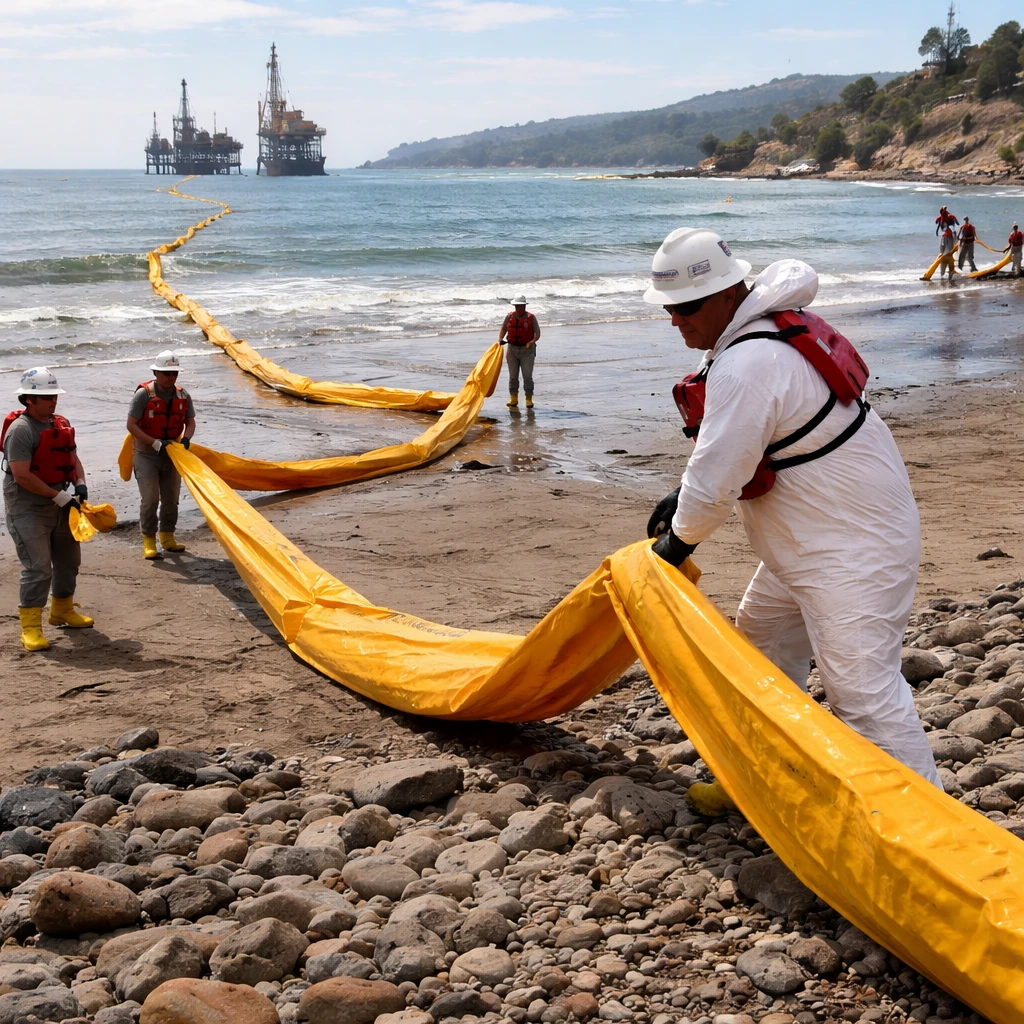
Since the 2015 spill that released over 140,000 gallons of oil along a 150-mile corridor from Santa Barbara to Los Angeles, environmental and community advocates have been wary of resuming pipeline activities. The spill inflicted extensive damage on a biologically rich habitat supporting endangered marine species such as whales and sea turtles, and resulted in significant mortality among pelicans, seals, and dolphins, alongside a devastating toll on the regional fishing industry. The subsequent closure of the drilling platforms left Sable facing multiple legal obstacles, yet the company expresses resolve in reinstating production, even if confined to federal waters beyond California’s three-mile shoreline jurisdiction.
Local environmental groups and officials have condemned the federal approval. Alex Katz, executive director of the Environmental Defense Center in Santa Barbara, characterized the move as reckless given the historical consequences of oil spills. California Assemblymember Gregg Hart echoed community sentiment, highlighting the disregard for the lessons learned from the disaster. He affirmed, "California will not permit the current federal administration or major oil interests to circumvent key environmental protections and jeopardize our coastline."
California’s approach to energy policy has increasingly favored clean energy initiatives while reducing fossil fuel dependency, with Santa Barbara County recently advancing measures to phase out onshore oil and gas operations. This legal challenge marks a continuation of the state’s efforts to maintain stringent environmental oversight in the face of federal policies seeking expansion of offshore drilling activities.