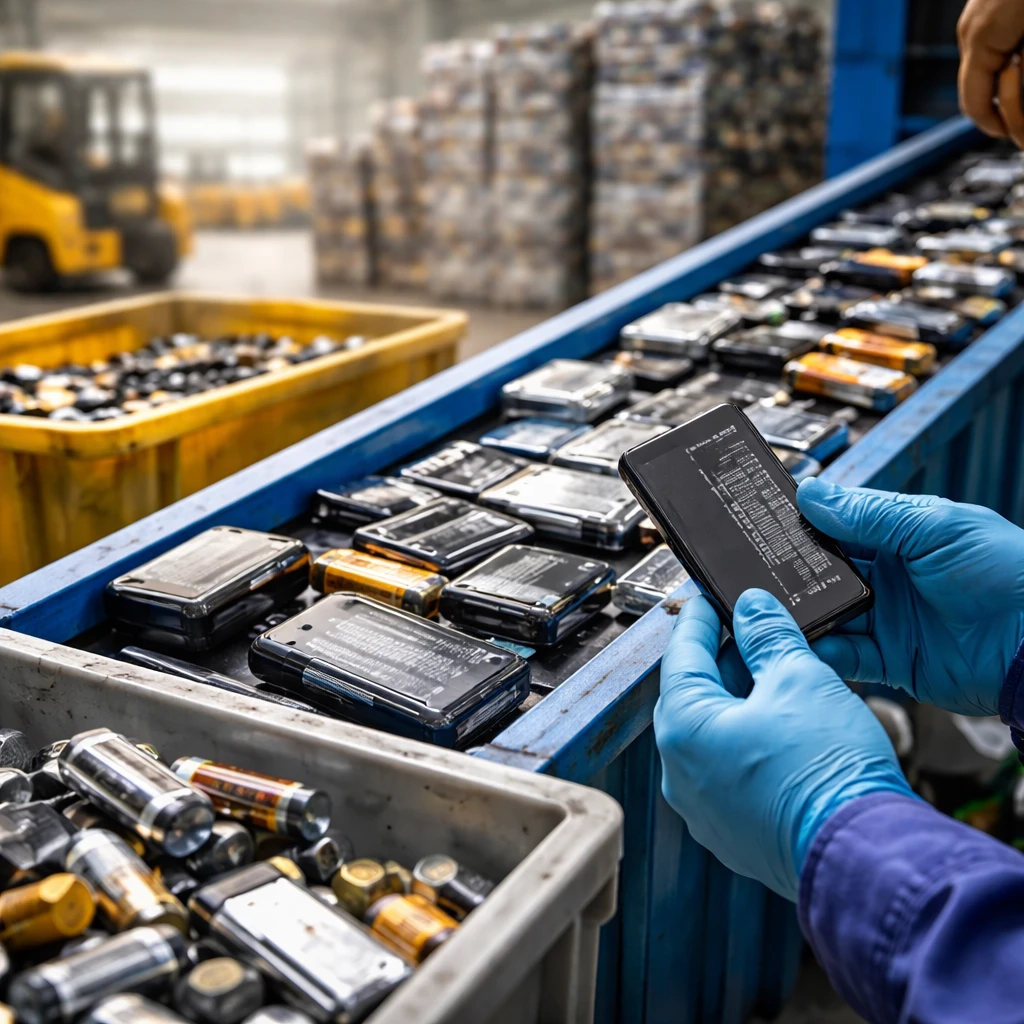

Beginning this year, consumers in California will encounter a new 1.5% surcharge on items equipped with non-removable batteries. This fee, limited to a maximum of $15, encompasses an extensive range of products — from power tools and gaming consoles like PlayStation to items as unique as singing greeting cards. This initiative significantly expands a recycling program previously focused primarily on outdated computer monitors and televisions and reflects the legislative efforts under Senate Bill 1215, spearheaded by former state Senator Josh Newman.
The legislation extends the fee to all products integrating embedded batteries, rechargeable or otherwise. Experts have raised concerns that a substantial volume of these batteries inadvertently or illegally finds its way into landfills, contributing to environmental and safety risks. The latest estimate from the California Department of Resources Recycling and Recovery suggests that approximately 7,300 tons of such batteries are disposed of improperly each year.
California has a history of pioneering measures against electronic waste, initiating fees on devices like monitors and TVs as far back as 2003. These efforts have contributed to diverting hazardous electronic components from landfills and developing advanced disposal frameworks. Nevertheless, over two decades later, the electronic waste landscape has transformed considerably, underscoring the need for evolving policies.
Lithium-ion batteries, noted for their power density and affordability, have become integral to a variety of everyday products, including cellphones, wireless earbuds, power tools, and children's toys. Joe La Mariana, executive director of RethinkWaste — a waste service management body covering twelve cities in San Mateo County — emphasized the ubiquity of such batteries. He remarked, "These things are everywhere. They're ubiquitous," highlighting the wide range of consumer electronics now dependent on lithium-ion power sources.
While lithium-ion batteries contribute to convenient technology, they also pose significant risks under certain conditions, particularly within recycling and waste processing environments. Exposure to intense heat or physical damage can cause these batteries to ignite or even explode. Doug Kobold, executive director of the California Product Stewardship Council, pointed out that the minor fee imposed on consumers to fund appropriate collection systems is economically favorable when compared to the financial impact of fires, increased insurance costs, and consequential rate hikes passed onto communities.
An illustrative incident occurred in 2016 at the Shoreway Environmental Center, a recycling facility managed by RethinkWaste in San Carlos, San Mateo County. A fire triggered by a lithium-ion battery resulted in an extended shutdown of four months and inflicted $8.5 million in damages. The aftermath also included a drastic escalation in insurance premiums for the facility, soaring from $180,000 to $3.2 million annually, costs ultimately shouldered by local ratepayers. This event served as a catalyst for regional stakeholders to seek systematic solutions addressing battery-related fire hazards.
Battery fires remain a persistent challenge in waste management, often underreported due to concerns over regulatory scrutiny and insurance implications. Such incidents are not confined to recycling centers; for example, an electric scooter fire in a Los Angeles apartment complex led to hospitalization of two young girls earlier this year. The Federal Aviation Administration reports that lithium battery fires occur in U.S. flights approximately twice per week, further reflecting widespread safety challenges associated with these energy sources.
The expanding prevalence of lithium-ion batteries corresponds with a growing transition towards clean energy. However, emerging categories of battery waste, like single-use plastic vapes, present additional complexities. While excluded from the new fee due to concerns about toxic substance handling as noted by the Department of Toxic Substances Control, vapes represent the fastest growing source of lithium battery waste. Advocates anticipate forthcoming legislative actions to address such devices, with Assembly Bill 762 aiming to prohibit single-use plastic vapes entirely.
Larger lithium-ion battery installations also pose distinct risks. For instance, during recent wildfires in Los Angeles, abandoned lithium batteries—including those from electric vehicles—necessitated extensive cleanup efforts by the Environmental Protection Agency. Similarly, a battery storage fire in Moss Landing last year lasted two days and prompted the evacuation of more than 1,000 residents. Post-incident community health concerns and studies revealing toxic metal contamination in surrounding marshes have underlined the urgency of effective oversight. In response, California Governor Gavin Newsom convened a multi-agency group in 2024, including environmental and forestry bodies, focused on advancing safety regulations for battery storage systems, with new CalFire rules set to come into effect imminently.
Experts emphasize the importance of carefully managing lithium battery disposal as the state pursues reductions in fossil fuel reliance. Meg Slattery, a scientist at Earthjustice, articulated the necessity of scrutinizing supply chains and end-of-life processes for battery materials, underscoring societal challenges in sustainable consumption and waste management.