
In the wake of a highly controversial racist video shared on President Donald Trump's social media platform, the White House response has evolved amid significant criticism. Initially, the administration dismissed reactions as "fake outrage." When pressure mounted, the offensive post was removed, with officials attributing its publication to a staff member's mistake. However, on the following Friday, President Trump told reporters that he did not consider the posting an error, asserting that no one had reviewed the content prior to its online appearance, particularly the segment portraying former President Barack Obama and former First Lady Michelle Obama as primates in a jungle setting.
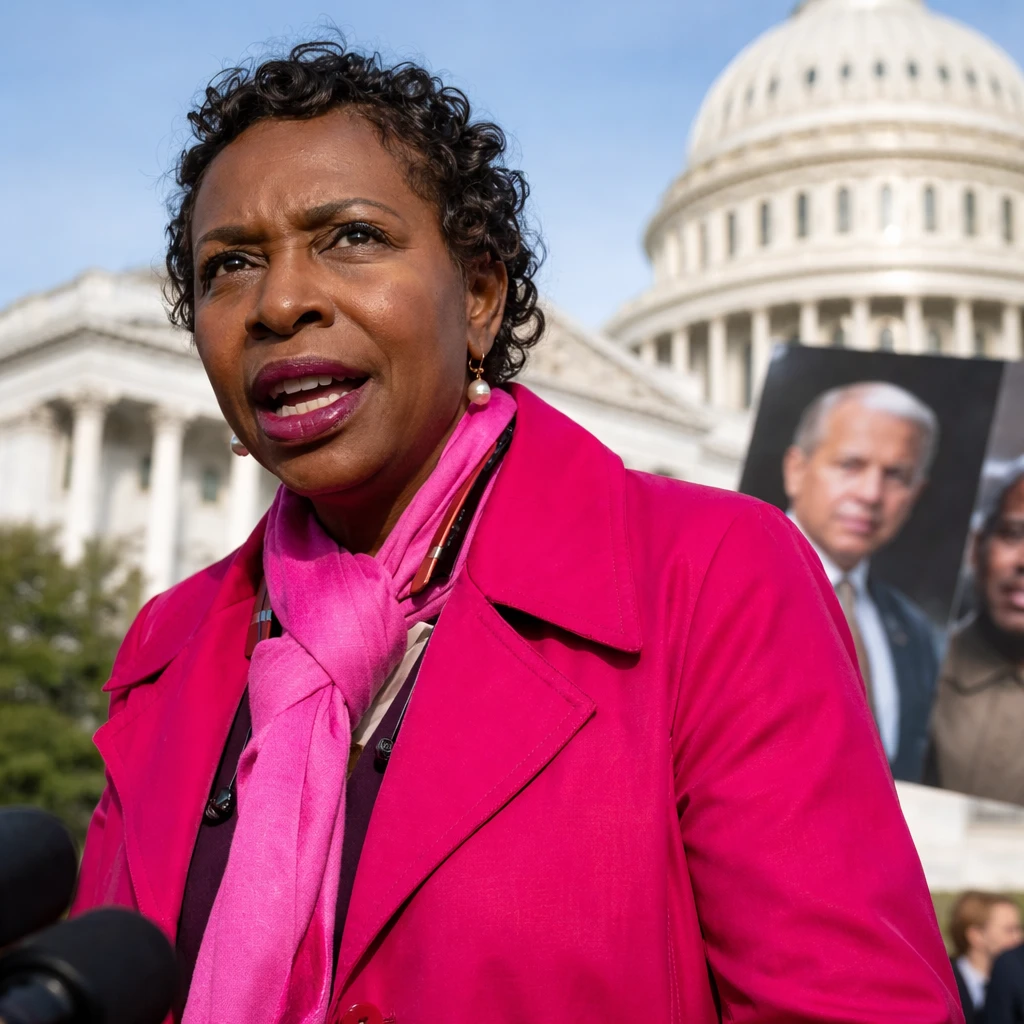
Contrasting sharply with the White House narrative, Representative Yvette Clarke, Democrat of New York and chair of the Congressional Black Caucus (CBC), provided a candid assessment in an interview conducted shortly after the video was deleted. She characterized the act as a deliberate attempt to inflict harm. "It’s very clear that there was an intent to harm people, to hurt people, with this video," Clarke stated. The CBC, comprising over 60 African American members of Congress, views this incident as part of a broader trend of racially charged conduct emanating from the current administration.
Reflecting on the event, Clarke said, "This administration consistently places the American public in a position where we are compelled to respond to behavior that is cruel and deeply offensive. This is part of their modus operandi at this point." She dismissed the White House's explanation regarding the post as untruthful. Clarke emphasized that such conduct cannot be isolated from the existing toxic and racist atmosphere within the White House. She noted the dissonance of this event occurring in 2026, a year marking the 250th anniversary of the United States and the centenary of Black history commemoration.
When asked about any communication between the White House and the Congressional Black Caucus following the incident, Clarke disclosed there had been no outreach. She noted that any meaningful engagement from the administration should precede, not follow, such degrading actions. The CBC Chair also commented on the swift Republican criticism of the post, suggesting it was influenced by the upcoming elections, since such racist attacks alienate diverse constituencies represented by many Republicans as well.
Regarding President Trump's relatively unusual decision to delete the post, Clarke interpreted it as an act of political convenience rather than a demonstration of ethical reflection. She quoted her mother to underscore her sentiment: "Too late. Mercy’s gone." As for expectations moving forward, Clarke expressed cautious hope that the administration might alter its course to mitigate damage, highlighting concerns about the impact such presidential behavior could have on Black children observing this leadership.
Concluding her remarks, Clarke stressed the critical need for democratic solidarity against racism, bigotry, and hatred propagated from the nation's highest office. She reiterated her belief that the video’s extended presence online evidenced its intentionality to inflict harm.