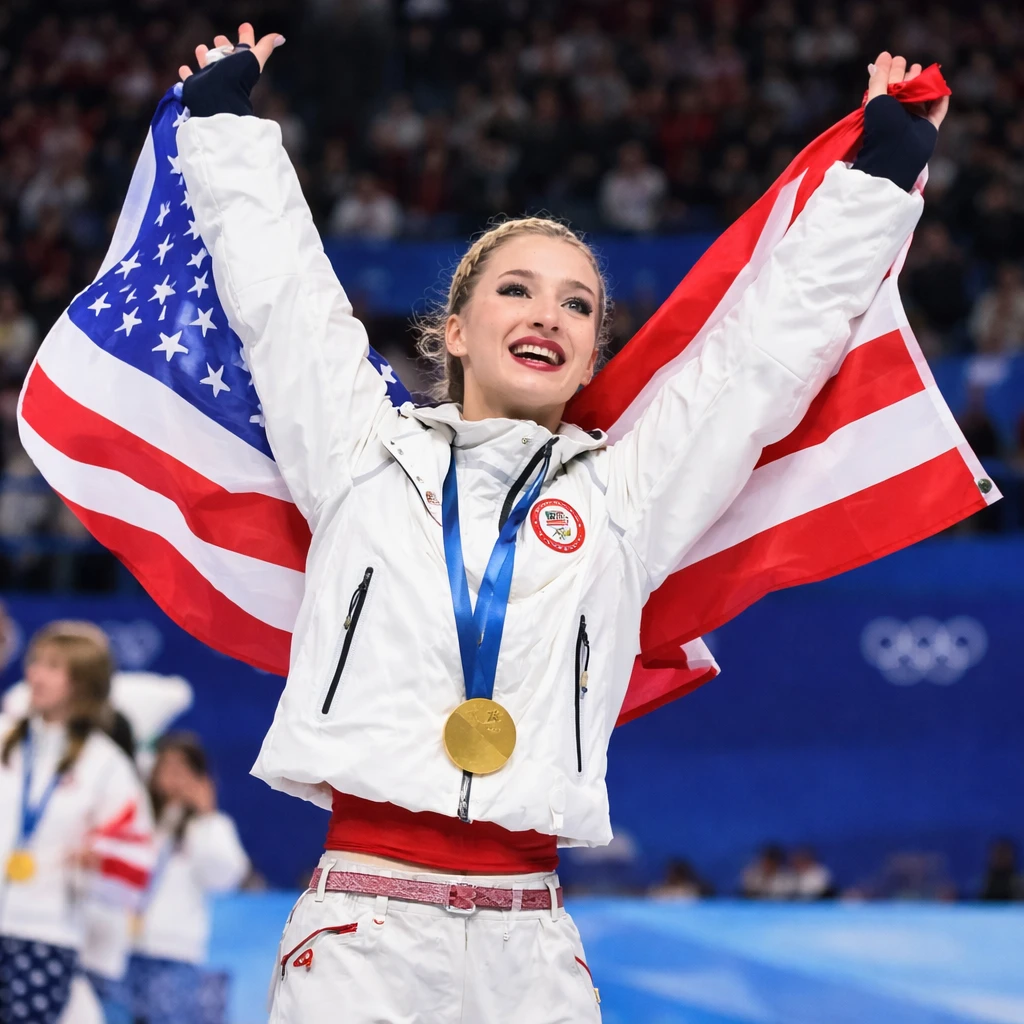

American figure skater Amber Glenn has successfully addressed copyright concerns raised by Canadian artist Seb McKinnon, who produces music under the moniker CLANN, after using one of his compositions in her free skate program at the Milan Cortina Olympics. Glenn, an Olympic team gold medalist, expressed enthusiasm about possibly fostering a new collaborative relationship with McKinnon following the resolution.
The music piece in question, “The Return,” came as part of Glenn’s routine concluding the team event on Sunday. McKinnon publicly voiced his surprise on the social media platform X after noticing his song was used without prior permission, remarking, “So just found out an Olympic figure skater used one of my songs without permission for their routine. It aired all over the world ... what? Is that usual practice for the Olympics?” He subsequently congratulated Glenn on the medal she earned.
Figure skating requires competitors to secure copyright permissions for the music employed during their performances. However, confusion and procedural errors in this area are common, as evidenced by several athletes at the current Games who had to alter their programs shortly before competing.
Glenn acknowledged the complicated nature of music rights in a statement, noting, “The issue of music rights can be complex and confusing. Seems like there was a hiccup in that whole process. I’m glad we cleared things up with Seb and I look forward to collaborating with him.”
The origin of the oversight remains unclear. Notably, Glenn has performed to “The Return” for the past two years without incident. She described the Olympic experience as “a dream come true” and found special meaning in receiving McKinnon’s recognition and congratulations. Glenn hopes her performance has helped cultivate new fans both for figure skating and McKinnon’s music. She advocates for continued support of both artists and the broader skating community.
McKinnon confirmed on Monday that all copyright issues had been amicably resolved. He clarified that his intention was not to instigate controversy, but to ensure artistic rights are properly respected. “I love it when music inspires people,” he said. “We can all agree creators deserve clear consent, proper credit and fair compensation when their work is used. It doesn’t matter if you’re the most famous artist in the world or a complete unknown. It’s for all.”
Historically, copyright has posed a relatively recent challenge in figure skating. Traditionally, skaters used mostly public domain music. However, after the International Skating Union relaxed regulations in 2014 to allow more contemporary music, reflecting the athlete’s individuality, circumstances shifted. Some artists have since sought compensation for the use of their work.
The ISU has actively worked to assist athletes in navigating copyright complexities, though difficulties persist as demonstrated at this Winter Games. For instance, Spanish skater Tomas-Llorenc Guarino Sabate nearly faced disqualification of his short program set to a medley from the animated movie “Minions” after Universal Studios initially threatened to withhold permission. Sabate ultimately secured approval just before competition.
Russian skater Petr Gumennik was compelled to change his short program merely two days before competing because he lacked proper authorization to use music from the psychological thriller “Perfume: The Story of a Murderer.” He substituted the piece with “Waltz 1805” by Edgar Hakobyan, for which he obtained needed rights.
Alongside musical copyright matters, Glenn has faced considerable scrutiny during the Olympics due to her outspoken advocacy for LGBTQ+ rights. She revealed receiving threats following a press conference before the Games where she cited the difficulties the queer community endures under the current political climate. Wearing an LGBTQ+ pin during the medal ceremony, she expressed disappointment at the hostility directed toward her simply for advocating human rights and decency.
Despite the challenges, Glenn and her teammates celebrated securing the second consecutive Olympic team gold for the United States. On Monday, Glenn engaged in television appearances celebrating this outcome before departing for a training camp near Milan to prepare for the women’s individual competition, which begins with the short program on February 17. She reflected that the team event experience helped first-time Olympians manage nerves and she expressed gratitude for having the opportunity ahead of the individual contests.