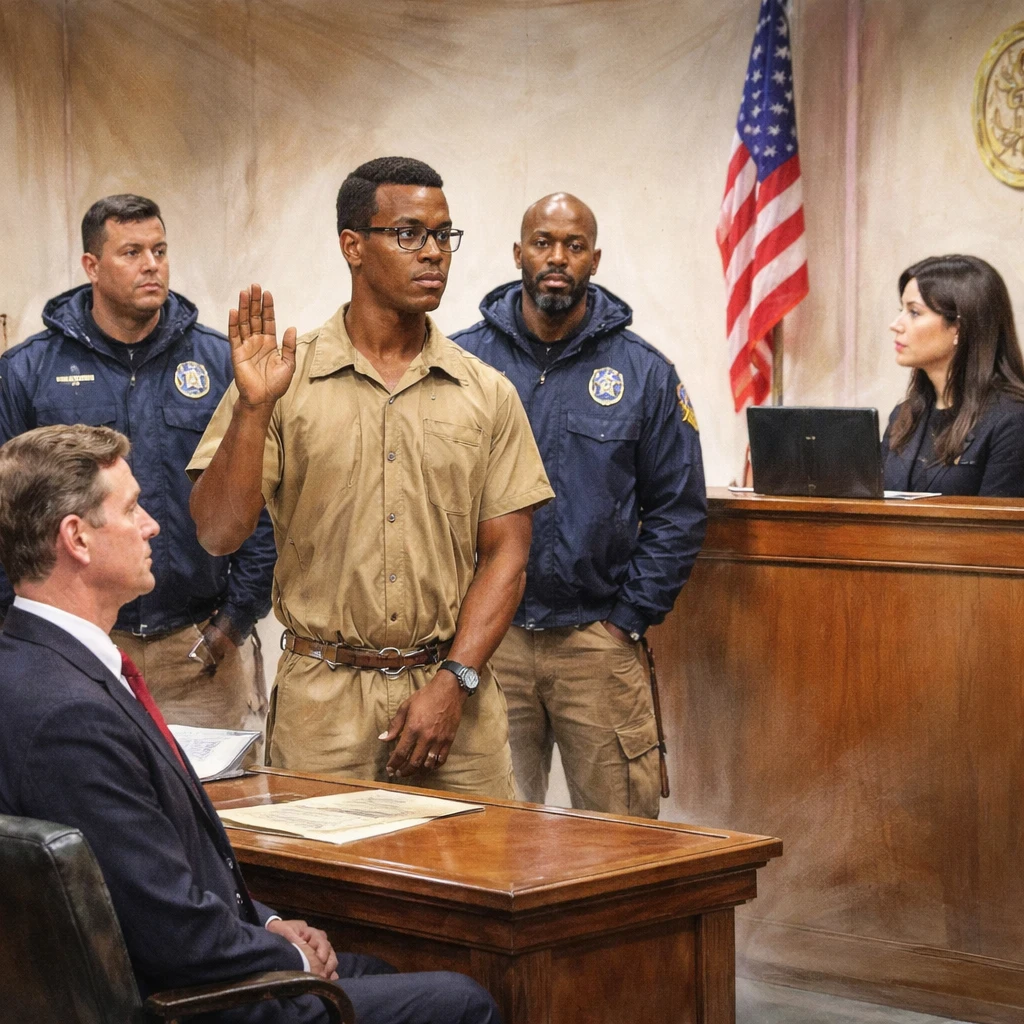

In Washington, D.C., a federal magistrate judge declined a request to release Brian J. Cole Jr. before his trial, where he faces charges of planting two pipe bombs near the Democratic and Republican National Committee headquarters in early January 2021. The judge emphasized concerns over public safety, concluding that Cole presents a threat that no pretrial measures can sufficiently address.
According to prosecutors, Cole confessed to placing the explosive devices only hours before the Capitol was stormed by supporters of then-President Donald Trump on January 6, 2021. He reportedly expressed that he hoped the bombs would explode and attract news coverage. Fortunately, the devices did not detonate, but the potential consequences were significant, including heightened terror during a highly secured Congressional session, damage to property in Washington's political center, and risk of severe injury or death to staff and bystanders at the political parties' offices.
Following his arrest last month, Cole told investigators he felt compelled to "speak up" for those who questioned the legitimacy of the 2020 presidential election, which Joe Biden won, and targeted the country's political parties as those "in charge." This motive, as explained by prosecutors, contributed to his alleged actions.
If convicted on both counts, Cole could face up to 10 years of imprisonment on the first charge and up to 20 years on the second, which includes a mandatory minimum five-year sentence. His defense team requested his release under home detention with GPS monitoring, arguing that Cole has no prior criminal record, has been diagnosed with autism spectrum disorder and obsessive-compulsive disorder, and resides in a stable home environment with his parents in Woodbridge, Virginia.
Defense attorneys contended that Cole does not pose a community danger, describing the government's concerns as speculative and disconnected from his behavior over the past four years, during which he lived without incident with his family. However, prosecutors noted that Cole continued acquiring materials for bomb-making months after the January 6 events. Cole reportedly told the FBI that his actions were driven by a sudden loss of control, indicating an impulsive nature that raises concerns about potential recurrence.
Judge Matthew Sharbaugh, in denying pretrial release, highlighted the abruptness and severity of the actions in question and expressed concern about the risk they represent. He underscored the potentially devastating impact had the bombs detonated, reinforcing the importance of public safety and the need to prevent any further risk posed by Cole while awaiting trial.