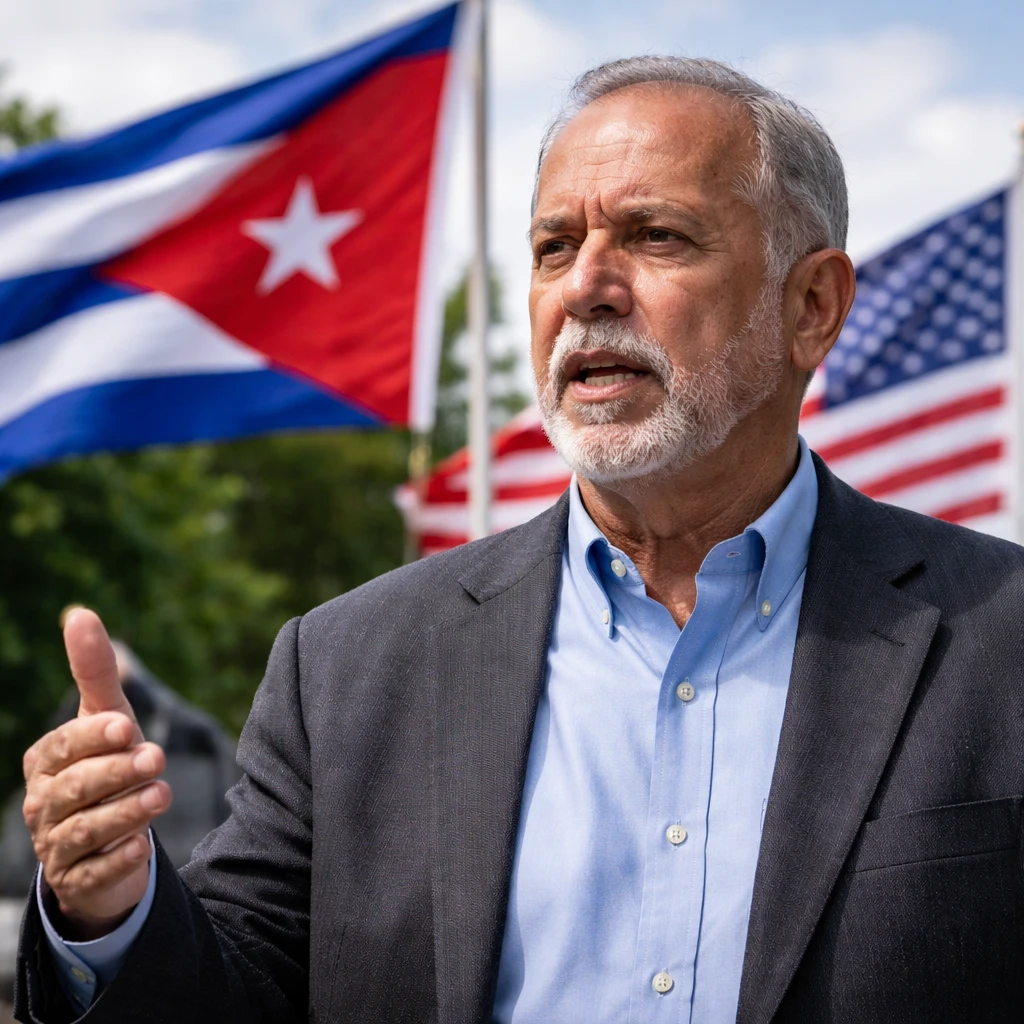
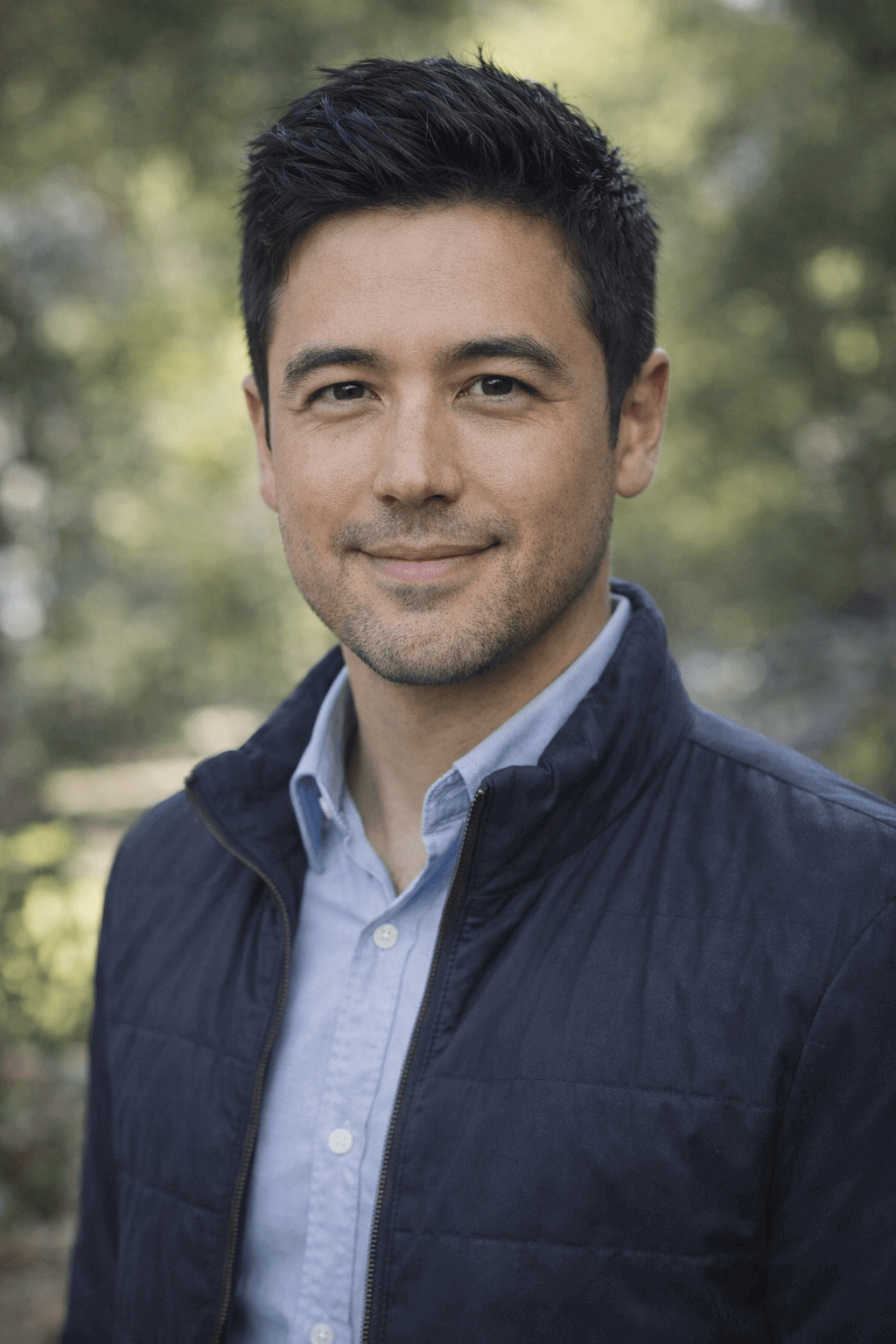
In Havana, Carlos Fernández de Cossío, Deputy Foreign Minister of Cuba, declared on Monday that there is presently no direct dialogue between his country and the United States. However, he emphasized that Cuba remains receptive to opening channels of communication provided particular conditions are satisfied. This statement follows remarks from U.S. President Donald Trump indicating preliminary conversations with Cuban officials had commenced, subsequent to his threat to impose tariffs on nations that supply oil to Cuba.
“We are not yet engaged in concrete negotiations,” Cossío clarified. “That is a separate matter.” He continued, “Our government is open to dialogue. Initiating talks could potentially pave the way for negotiations.”
Cossío elaborated that Cuba would welcome informal exchanges aimed at establishing a relationship characterized by respect and seriousness, despite the existing disagreements between the two nations.
Nevertheless, he underscored that some topics remain inviolable for Cuba, notably its constitution, economic system, and socialist government model. “There are, however, numerous other issues we are willing to discuss,” he stated.
The island nation is presently contending with a severe economic crisis highlighted by widespread power outages, interruptions in oil deliveries from Venezuela, and the impact of U.S. sanctions. Cuban authorities estimate these sanctions have inflicted damages exceeding $7.5 billion from March 2024 through February 2025.
Historically reliant on Venezuelan oil shipments, Cuba’s supply chain was disrupted following the arrest of Venezuela’s president amidst U.S. actions on January 3. When questioned about the sustainability of current conditions, Cossío refrained from disclosing any strategies Cuba might possess to secure petroleum supplies or mitigate the ongoing difficulties.
“Cuba is, without question, preparing itself through creativity, resilience, and austerity measures,” he remarked. “Our response is to observe and persevere.”
In a related development, Russian Foreign Minister Sergey Lavrov and Cuban Foreign Minister Bruno Rodríguez engaged in a telephone discussion on Tuesday. Russia pledged necessary political and material support, condemning what it described as unacceptable economic and military pressure on Cuba, including deliberate obstruction of energy imports. The statement warned such pressures could gravely worsen Cuba’s economic and humanitarian circumstances.
President Trump described Cuba as a “failing nation” when signing an executive order for tariffs and expressed skepticism about the island’s survival prospects. Trump's administration also requested Mexico to halt its oil shipments to Cuba.
Mexican President Claudia Sheinbaum, while announcing humanitarian aid including food for Cuba, stated her government is negotiating diplomatically to resolve issues connected to Cuban oil supplies.
Simultaneously, U.S. Chief of Mission in Cuba, Mike Hammer, has been engaging with Cuban citizens across the country, sharing encounters via social media. Despite some warm receptions, including invitations into homes, power outages have left many without basic utilities such as electricity for offering simple hospitality like coffee.
Not all interactions have been positive. Hammer faced vocal opposition recently from Cubans in the province of Camagüey, who voiced slogans condemning the U.S. blockade and labeling him negatively. In response, the U.S. Bureau of Western Hemisphere Affairs condemned Cuba for intimidation tactics aimed at hindering diplomatic efforts and reaffirmed its intention to maintain engagement with the Cuban population.
Throughout the interview, Cossío stressed that Cuba does not perceive itself as a threat to the United States. “Cuba is a peaceful nation,” he affirmed. “We aspire to interact with the United States in the same manner as we do with all other countries. Currently, the United States stands as an exception.”