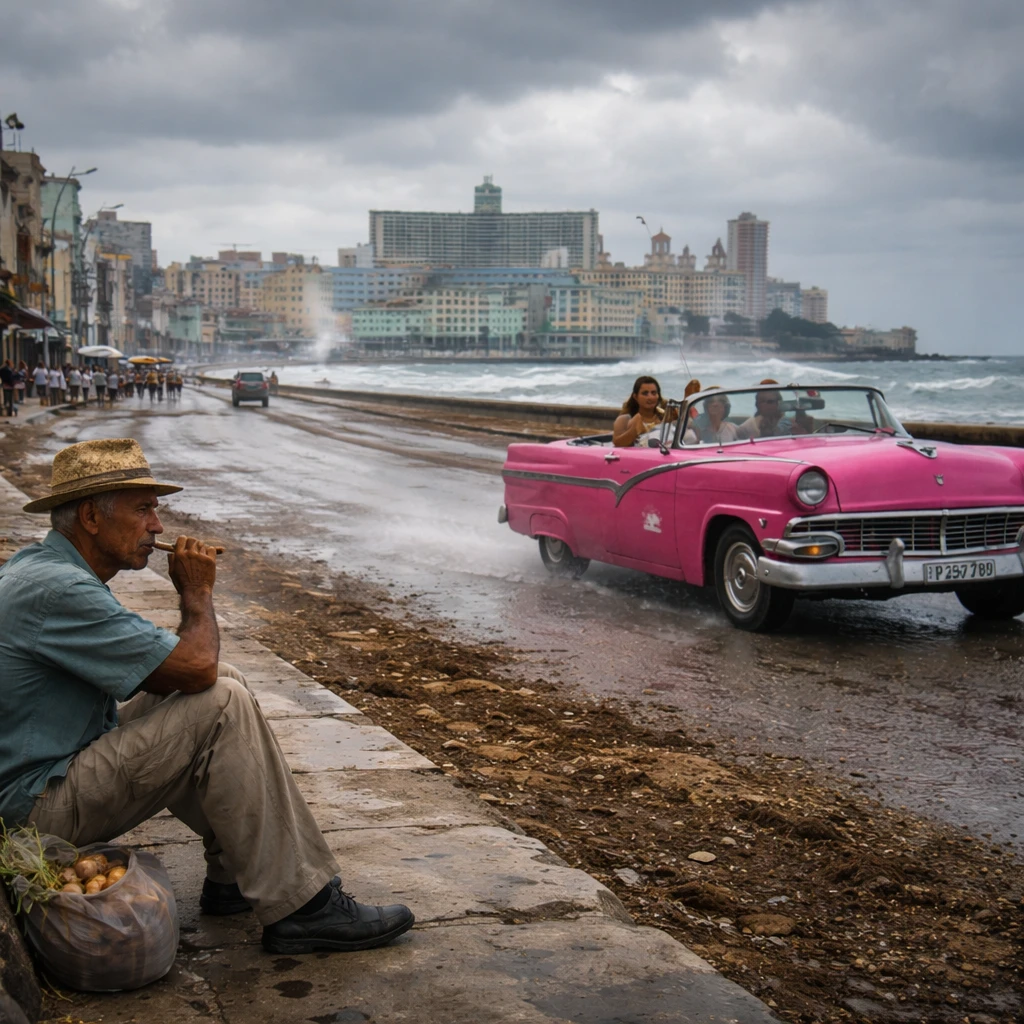
Returning to Cuba in late January after more than three years away, a correspondent documented profound changes in the island's social and physical environment. The capital, Havana, and other areas are exhibiting marked deterioration that reflects broader economic and political difficulties, particularly following the escalating tensions between the United States and Venezuela, Cuba's key ally.
Visible signs of hardship include accumulating garbage at frequently visited tourist locations, where locals sometimes search through waste in an effort to recover usable items. One incident recounted involved a well-dressed man stepping into wet refuse to retrieve a plastic container lid before departing.
Scarcity of essential supplies compounds these issues. Fuel shortages limit transportation and maintenance, leading to the breakdown of machinery such as tractors and garbage trucks. Replacement parts remain scarce, impeding repair efforts. Havana’s famed architectural gems, spanning baroque to art nouveau styles, are falling into further disrepair, with some structures gradually crumbling to rubble.
Electricity is increasingly unreliable, with frequent scheduled and unscheduled outages plunging much of the city and surrounding regions into darkness each night. However, small glimpses of normalcy emerge, such as the sight of early morning dog owners tending to their pets, some outfitted in protective clothing against unusual cold spells at the end of January.
Daily life reveals signs of resource conservation and adaptation. A hotel, despite its status, has taken to cutting thin napkins in half, signaling tighter rationing of consumables. In some office buildings, essential items like toilet paper are absent, and water supply is often interrupted by mid-afternoon.
The shortage of power and natural gas has driven many residents to revert to traditional cooking methods, using firewood and charcoal. Some have even constructed makeshift outdoor fireplaces for communal meal preparation. The challenge of accessing fuel also creates long queues, and cash shortages have spurred crowds outside banking facilities.
Communication services are strained, with reports of increased disruptions hampering phone calls and internet browsing. These difficulties come amid an economic environment already fraught with inflation, scarce availability of basic goods, and energy deficiencies. The situation has worsened following intensified U.S. actions targeting Cuba's economic lifelines.
Cuba’s resilience traces back to the "Special Period" in the 1990s, when the collapse of the Soviet Union severely weakened the economy. The alliance with Venezuela later mitigated hardships for a period. With recent U.S. sanctions targeting Venezuelan oil shipments to Cuba, experts warn of a deepening crisis. A new executive order threatens tariffs against countries supplying oil to Cuba, exacerbating tensions.
Despite these daunting pressures, many citizens maintain a spirit of self-reliance and reject external provocations. A segment of the population is investing in solar technology and sustainable farming to mitigate resource constraints. While concerns about possible escalations persist, skepticism about imminent military intervention remains prevalent among locals.
The political rhetoric from the U.S. government has intensified, with senior officials characterizing Cuba’s governance as a failed revolutionary regime in decline. Simultaneously, Cuba has been relisted as a state sponsor of terrorism. However, Cuba's leadership remains defiant, rallying citizens around enduring slogans affirming their resolve and commitment to sovereignty.
Underlying the situation are profound uncertainties regarding Cuba's economic stability, the durability of social services, and the potential impact of ongoing international pressures. As citizens navigate shortages and outages, the island's future trajectory appears tied to shifting geopolitical dynamics and internal adaptation strategies.