
Herbs have long been known for their relatively low maintenance in an outdoor garden setting, usually thriving with only water, exposure to sunlight, and occasional gardener attention. These plants tend to be resilient, showing tolerance for a range of soil pH values and rarely necessitating fertilizer applications. They can often endure short periods of neglected watering without detrimental effects.
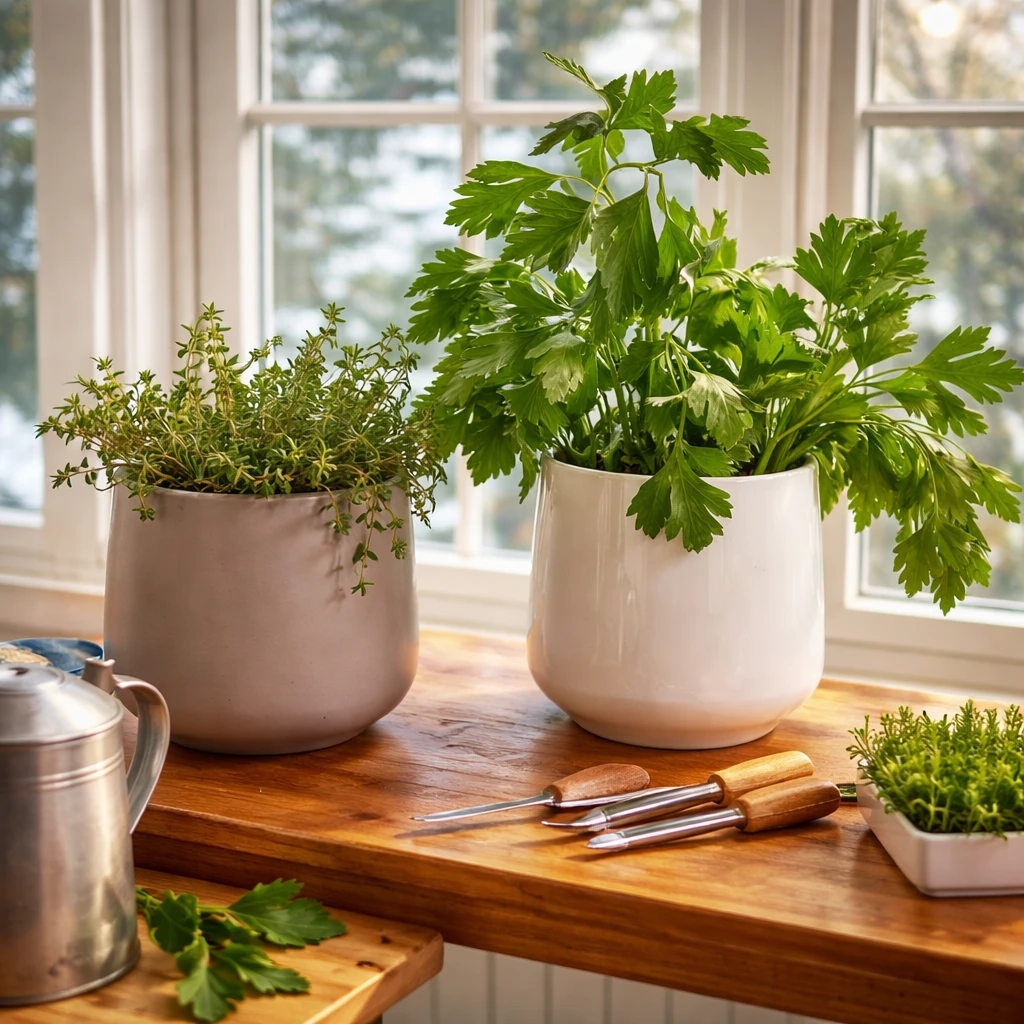
However, the onset of colder weather reduces outdoor viability, prompting some gardeners to bring select herbs indoors, often situating them on windowsills that receive adequate sunlight. While outdoor herb beds can be quite forgiving, indoor cultivation typically presents new challenges, as these plants exhibit increased sensitivity to indoor environmental conditions.
It is important to note that not all herbs are equally suited for indoor growth. For instance, dill and fennel develop extensive root systems that generally make them unsuitable for pot cultivation inside the home. Similarly, basil, although popular, rarely flourishes indoors due to its intensive sunlight requirements, which are difficult to replicate inside kitchens or other rooms. Additionally, plants such as lavender and chamomile, which have a spreading growth habit, are best maintained in outdoor environments.
On the other hand, culinary herbs including rosemary, sage, oregano, thyme, and bay laurel can successfully adapt to indoor living, provided they receive appropriate care. Parsley also fares well indoors but requires deeper containers, supplemental artificial lighting, and regular fertilizing to thrive. Cilantro may succeed in indoor settings under certain conditions, though outcomes with this herb are generally inconsistent; nevertheless, attempting to grow it indoors is advisable as there is no downside.
Since potted herbs are vulnerable to root rot, ensuring proper drainage is vital. Containers should be equipped with drainage holes at their bases and filled with potting mixtures that promote swift water runoff, preventing water accumulation around roots.
The location of indoor herb pots is equally critical. They should be positioned near the brightest available light source, with south-facing windows being optimal due to maximal daylight exposure, and west-facing windows a secondary preference.
Enhancing light availability through artificial means can further improve herb growth. Fluorescent grow lights may be installed 5 to 10 inches above plant tops, or LED grow lights placed approximately 15 to 20 inches above. These lights should be operated for 14 to 16 hours daily with adjustments to maintain appropriate distance from the plants as they grow. When employing artificial lighting, it is recommended to apply a balanced liquid fertilizer at half the normal strength every two weeks to supplement nutrient supply.
Maintaining proper soil moisture is essential, yet overwatering remains a common error. It is advisable to check soil dampness by inserting a finger to the second knuckle depth to detect moisture levels near the roots. Watering should occur only when the soil feels dry but should not be delayed long enough to cause prolonged dryness. A practical watering method includes placing pots in a sink and applying a slow, gentle stream of cool water until it drains from the pot’s bottom holes. Allow the moisture to permeate the soil fully before returning the plant to its window position, ensuring the soil remains moist without becoming saturated.
Despite a slower growth rate and reduced size indoors compared to their outdoor counterparts, herbs cultivated on kitchen windowsills provide a valuable resource for fresh, flavorful leaves year-round. This not only enriches culinary experiences with summery tastes during colder months but also offers modest financial savings and convenience by reducing trips to the grocery store.