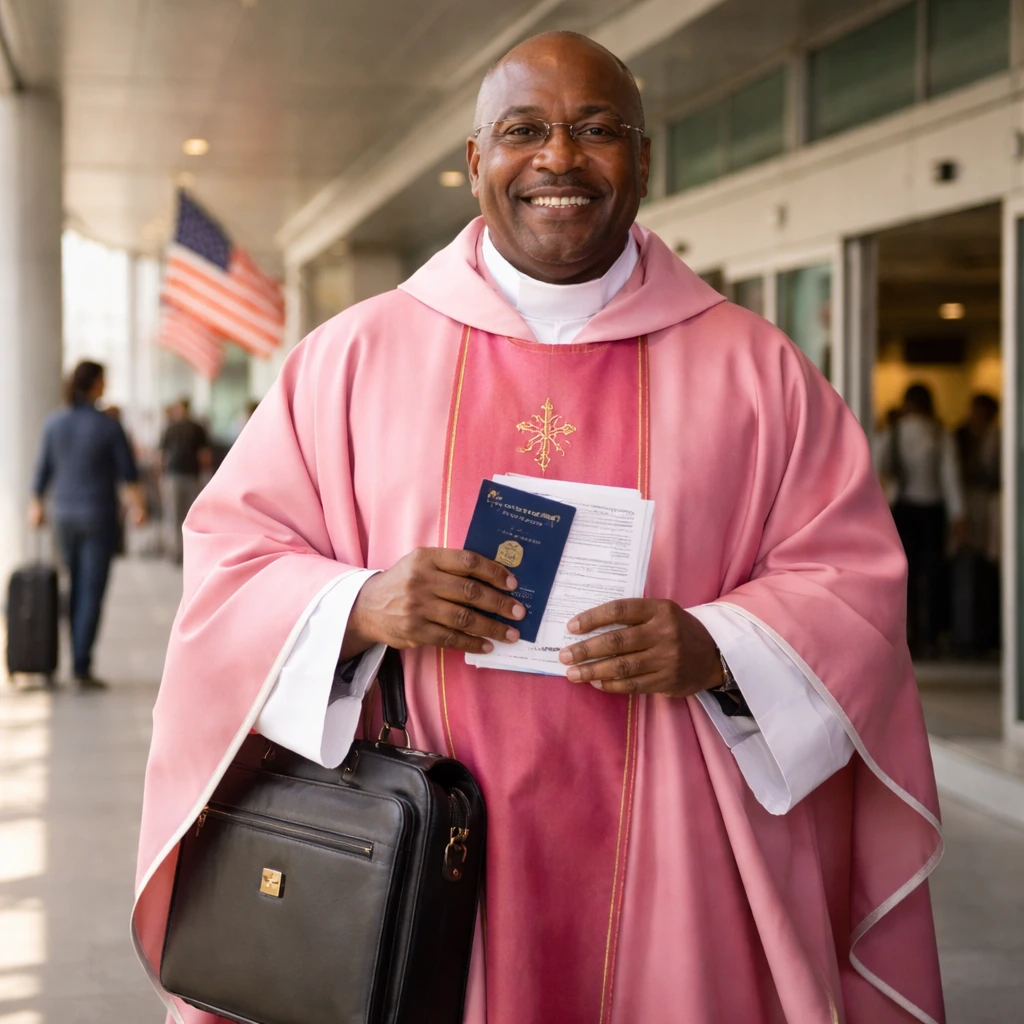

WASHINGTON — The Department of Homeland Security (DHS) has announced a regulatory change aimed at reducing obstacles for foreign-born religious workers serving U.S. congregations, including pastors, priests, nuns, imams, and rabbis. This adjustment comes amidst a broader tightening of immigration rules but specifically addresses long delays affecting the legal permanent residency process for these individuals, who often enter on temporary R-1 visas.
Previously, R-1 visa holders were required to depart the United States for a full year after reaching the five-year limit on their visas before applying to return. Although this duration once sufficed for obtaining permanent residency, a 2023 modification in government processing extended the wait substantially, forcing most religious workers to leave the country. The updated DHS rule removes this lengthy absence requirement, allowing such workers to exit and promptly apply for re-entry.
In a statement, DHS emphasized the critical role of religious organizations in American communities and affirmed its commitment to supporting these groups. "We are taking the necessary steps to ensure religious organizations can continue delivering the services that Americans depend on," the agency said, highlighting the importance of pastors, priests, nuns, and rabbis to the social and moral fabric of the country.
Immigration legal experts and faith leaders have welcomed the rule change as a positive development. Lance Conklin, an immigration attorney representing evangelical churches with R-1 visa holders in Maryland, described the adjustment as significant because it could reduce organizational disruption by eliminating the onerous year-long absence.
The U.S. Conference of Catholic Bishops (USCCB) also praised the move, calling it a "truly significant step" toward supporting vital religious services nationwide. Archbishop Paul Coakley, USCCB president, along with Bishop Brendan Cahill, who chairs the USCCB’s committee on migration, expressed appreciation for the government’s efforts to sustain the Religious Worker Visa Program.
Olga Rojas, immigration counsel for the Archdiocese of Chicago, similarly welcomed the update, noting its value in retaining indispensable religious workers active in parishes and schools. The Catholic Church in the United States has faced a shortage of priests, leading to reliance on foreign-born clergy, and similarly, other faiths—including Buddhism and Pentecostal Christianity—recruit clergy internationally to meet the needs of growing congregations, particularly those requiring specialized religious training.
The recent surge in visa processing delays directly stems from a procedural change implemented in March 2023 by the State Department, under the Biden administration. This change integrated migrant children with Special Immigrant Juvenile Status—minors from Guatemala, Honduras, and El Salvador seeking humanitarian relief—into the general green card queue alongside religious workers. This adjustment significantly increased wait times, creating new backlogs that jeopardized the ability of religious workers to stay in the United States.
While exact figures are unavailable, it is estimated that thousands of religious workers are caught in the backlog or have yet to submit their applications. In response, the Catholic Diocese of Paterson, New Jersey, and five priests initiated a lawsuit in summer 2024 against DHS, the State Department, and U.S. Citizenship and Immigration Services. The suit alleged the 2023 processing change would cause substantial disruptions to the priests' lives and infringe on religious freedoms.
The case was voluntarily dismissed in fall 2025, following indications that administrative actions and new rulemaking efforts would address the plaintiffs' concerns. Raymond Lahoud, the diocese's attorney, confirmed the new DHS regulation meets the desired outcome of allowing priests to remain in the U.S., though he noted continued uncertainty due to decade-long waits for green cards without comprehensive immigration reform from Congress.
Legislative efforts to alleviate this issue have been underway, including a bipartisan bill introduced in spring 2025 in Congress proposing an extension of religious workers’ visas while their green card applications are pending—a fix that aligns with the DHS rule's intent.