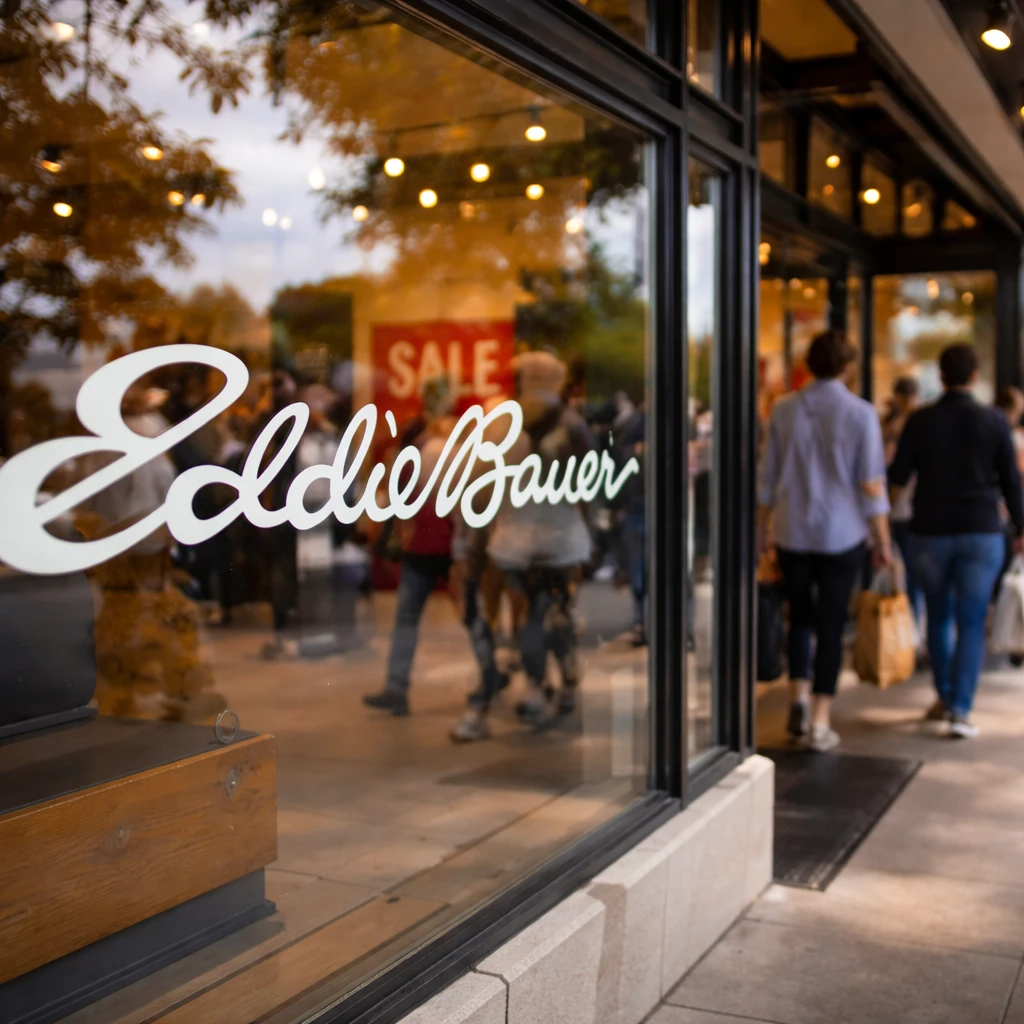

Eddie Bauer LLC, which oversees approximately 180 retail and outlet locations throughout the U.S. and Canada, has entered Chapter 11 bankruptcy protection amid deteriorating sales and other persistent industry hurdles. This recent filing marks the third bankruptcy occurrence for the brand in a span of just over twenty years. Originally starting as a Seattle-based fishing supplies store, Eddie Bauer grew in prominence for outfitting pioneering mountaineers and producing military-grade down jackets and sleeping bags during World War I.
The company disclosed on Monday that it had reached an agreement with its secured creditors to proceed with restructuring, filing in the U.S. Bankruptcy Court for the District of New Jersey. Notably, the majority of Eddie Bauer's retail locations will continue operations during this period, although some store closures are anticipated as part of a methodical wind-down if a viable sale is not completed.
Marc Rosen, CEO of Catalyst Brands—which holds the license to operate the Eddie Bauer stores in North America—described the restructuring move as difficult yet necessary. He emphasized that the process is designed to optimize value for all stakeholders involved and ensure Catalyst Brands’ ongoing profitability with solid operational liquidity and cash flow.
The restructuring pertains specifically to the U.S. and Canadian operations managed by Catalyst. International Eddie Bauer locations, which are operated by different licensees, remain unaffected and will continue normal business activities. Meanwhile, Authentic Brands Group retains ownership of the Eddie Bauer trademarks and intellectual property, with possibilities to license the brand further.
Other brands under Catalyst's portfolio remain untouched by this filing, proceeding unaffected through typical business channels. Retail operations such as Eddie Bauer's online commerce and wholesale businesses will also continue uninhibited, as these functions were transferred to Outdoor 5, LLC earlier this year, becoming effective from February 2.
The brand’s decision to file for bankruptcy reflects a broader trend among U.S. retail chains facing market pressures. For example, the parent of luxury retailer Saks Fifth Avenue recently sought bankruptcy protection and announced closures of many Saks Off 5th locations. Similarly, Amazon recently announced plans to shutter nearly all Amazon Go and Amazon Fresh stores as it refocuses on its Whole Foods Market and grocery delivery services.
Founded in 1920 by Eddie Bauer himself, the company began as Bauer’s Sports Shop, establishing strong ties to outdoor enthusiasts. The brand pioneered innovations such as the "Skyliner" goose-down jacket in 1936 and made history outfitting the first American climber to summit Mount Everest in 1963. The company’s evolution included multiple ownership changes—from General Mills in 1971 to Spiegel Inc. in 1988—and earlier bankruptcy reorganizations in 2003 and 2009.
In recent years, Catalyst Brands materialized through the merger of SPARC Group and JCPenney, backed by major mall operators Simon Property Group and Brookfield. Despite efforts by Catalyst’s management to enhance marketing and product development, longstanding challenges have persisted. CEO Rosen highlighted factors such as inflation-driven cost increases, tariff uncertainties, and other operational headwinds that have complicated recovery strategies.
At its peak around 2001, Eddie Bauer operated close to 600 stores, but that number has significantly diminished in recent decades. Retail analyst Neil Saunders commented earlier this month that although Eddie Bauer remains recognizable, it struggles against competitors like Sweden’s Fjallraven and Canada’s Arc'teryx. He noted perceived declines in product quality and a reputation among younger consumers as outdated and less relevant, both of which create additional hurdles.