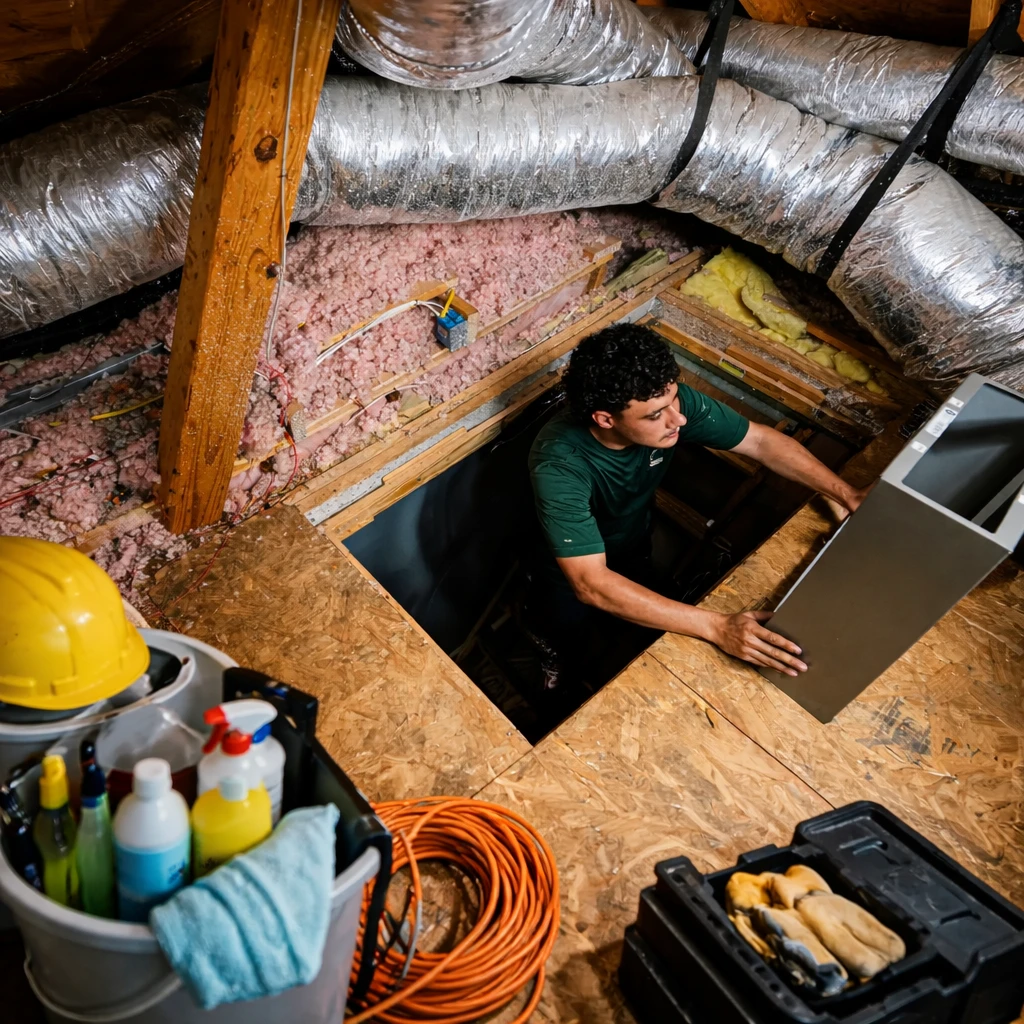

With each new year, many set intentions to enhance their health, improve organizational habits, and better handle financial matters. Specialists point to home maintenance as a unifying factor that supports these aspirations. Routine and early attention to upkeep extends beyond repairing visible harm; it is fundamental to creating a healthful living space, prolonging a home's lifespan, and preserving its economic value over time, according to real estate authorities.
Planning for ongoing maintenance and unforeseen situations can substantially lower the risk of substantial repair bills in the future while distributing expenses more evenly across the calendar year. Data from the U.S. Department of Energy and the Environmental Protection Agency indicate that approximately 75% of current homes will remain in use by 2050, underscoring the importance of proper maintenance today.
Amanda Reddy, executive director of the National Center for Healthy Housing, stresses, "Preserving the homes we occupy is critical to safeguarding our health and overall wellbeing." The priority, irrespective of ownership, is to maintain living spaces that are dry, clean, insect-free, properly ventilated, and secure, which translates into diverse maintenance activities varying by the home's construction, geography, and season.
Scope of Home Care: Large Projects and Daily Choices
On average, Americans spend nearly 90% of their time indoors, with 70% of that duration inside residences, per the National Human Activity Pattern Survey. Reddy emphasizes that individuals who are young, elderly, have health concerns, or work from home likely spend even more time within their homes, making diligent home care a crucial investment.
While traditional maintenance often evokes images of fixing leaks, pest invasions, or structural cracks, homebuilding professionals highlight that many upkeep tasks do not require specialist intervention. Simple daily actions such as cleaning countertops, sweeping food residue, enhancing air circulation by opening windows, and removing blockages from filters and drains contribute significantly to home health.
Attention should be given to the requirements of residents, focusing on frequented areas like kitchens, bathrooms, and bedrooms, as well as commonly overlooked spaces such as attics and basements. Reddy points out that maintenance efforts should target every space utilized regularly or neglected to avoid missing critical repairs.
"Ultimately, any preventive maintenance efforts, regardless of perfect timing or thoroughness, are beneficial," she notes. However, timing is vital since many tasks are seasonally or annually cyclical. Homes experience different environmental pressures throughout the year; therefore, seasonal upkeep facilitates early detection and mitigation of potential issues aggravated by climate factors.
Annual Seasonal Maintenance Strategies
Recognizing the shifting environmental conditions over the year enables homeowners to address typical wear and tear effectively and maintain healthier indoor environments. Outdoor factors seldom remain external: they infiltrate living spaces and accumulate inside. These variations exert cyclical stress on home systems and appliances.
Reddy remarks that maintaining a seasonal rhythm of maintenance is not only sensible given these stress patterns but also more practical than confronting extensive checklists in one instance. For example, preemptive preparations for cold, wet climates and natural disasters should occur before temperatures decline, while systems mitigating heat extremes, drought, wildfire threats, and air quality concerns are best serviced during off-peak seasons.
Industry experts advise that spring and summer activities emphasize readiness for warmer weather. Recommended tasks include inspecting air conditioning units, clearing dryer vents to avert fire hazards, testing irrigation systems, tending to gardens, and evaluating electrical and plumbing fixtures. Spring especially is ideal for extensive cleaning, painting, or remodeling projects since rainfall is less likely to cause disruption.
Conversely, maintenance during fall and winter prioritizes temperature regulation and air quality due to increased indoor occupancy during colder months. Guidance from American Home Inspectors Training suggests checking heating systems, replacing air filters, ensuring carbon monoxide detectors function properly, sealing drafts, controlling pests, repairing roofs and chimneys, and assessing drainage systems).